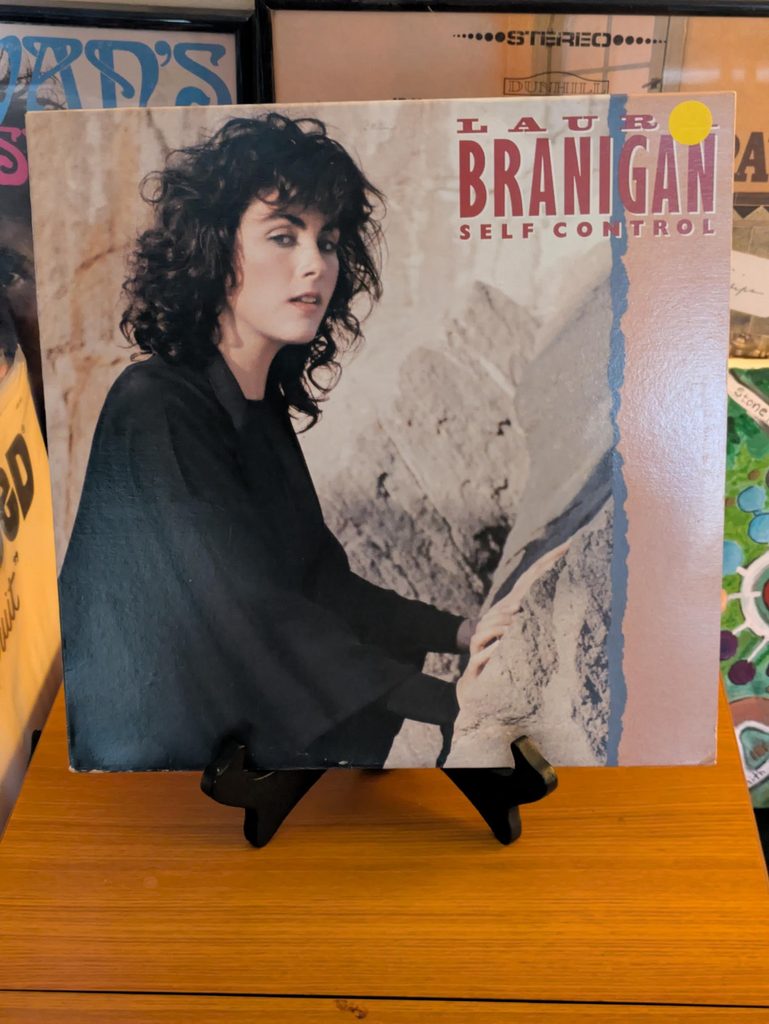
- Laura Branigan – Self Control (1984)
In 1984 pop diva Laura Branigan and Academy Award winning director William Friedkin, who terrified audiences in 1973 with "The Exoticist," teamed up to create one of the most chilling music videos to ever appar on MTV. A cover of an Italian pop song, “Self Control” took Laura Branigan into the industrial cellars of an urban landscape, where she is accosted by dancing sex demons and seduced by a mysterious masked figure in an ivory mask. Although one of the most dynamic videos of the era, for some reason little has ever been written about the video, and it has fallen out of the cultural zeitgeist despite being a masterpiece in horror which still packs a powerful punch over forty years since it’s release. A look at Laura Branigan’s “Self Control,” and how it creeped out an entire generation that still wants to block it from their memory. Extra: Why :Self Control" is scarier than Michael Jackson's "Thriller," and that time William Friedkin teamed up with Sonny and Cher!
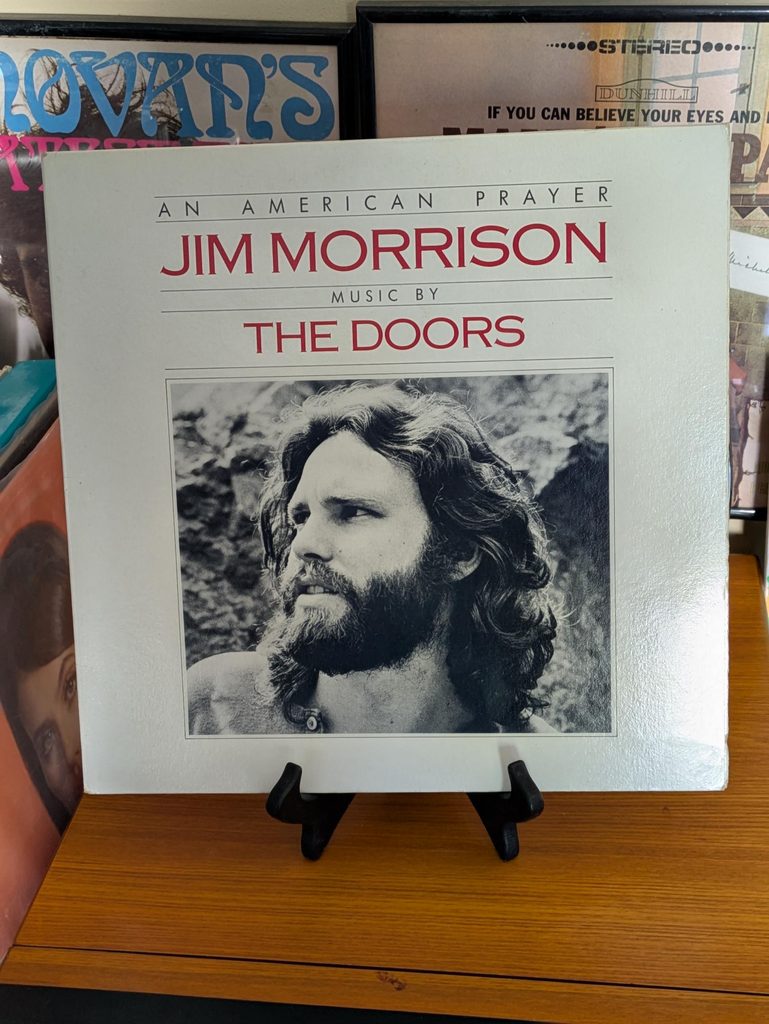
- Jim Morrison (music by The Doors) – An American Prayer (1978)
On December 8th, 1971, The Doors' lead singer Jim Morrison celebrated his 27th birthday at a Hollywood West recording studio. Attempting to regroup and refocus his energy into his first love - poetry - this was to be the first official recording session for his proposed spoken word project. But nobody involved on that festive night could ever have imagined that it would also be Jim Morrison's last ever recording session. In the days following Morrison's death, the tapes would be secured and protected by the brilliant producer who spearheaded the session, and eventually become the primary source of the 1978 album “An American Prayer.” The story of John Haeny, the producer who had the foresight to protect Jim Morrison’s spoken word tapes, and how “An American Prayer” helped launch The Doors back into the cultural zeitgeist and morphed Jim Morrison from being a dead rock star into a rock n’ roll icon. Extra: The Doors in the 1980s and beyond, and how they went from being a neglected group from the past to becoming one of the most revered and beloved rock bands of all time.
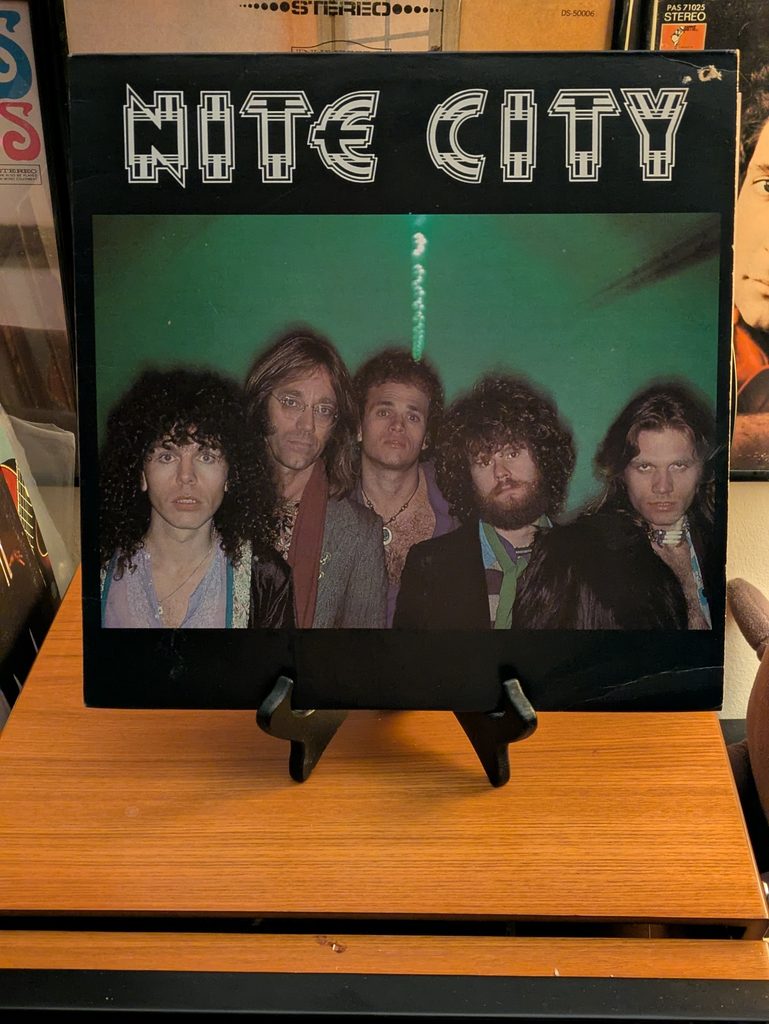
- Nite City – Nite City (1977)
In 1977, with his attempt at a solo career gaining lukewarm results, Ray Manzarek made a bold foray into Glam Rock with a brand new band, Nite City. In an attempt to bring hard rock back to Los Angeles, Manzarek assembled a talented roster of musicians, and introduced a new dynamic singer, Noah James, to the Sunset Strip. However, despite releasing an extremely solid debut album, Nite City would ultimately become little more than a footnote on Manzarek’s career, and the most obscure of all of the groups to spawn out of the post-Doors period. Never finding it’s audience during their existence, and virtually unknown and overlooked still today, Nite City proves to be a dusty jewel that deserves to be rediscovered by music aficionados and Doors fans alike. An introduction to Nite City – what it was, why it failed, why you should be listening to them and how their music may have been ultimately ahead of their time. Extra: Ray Manzarek and Danny Sugarman’s haunting tribute to tragic muse Pamela Coulson - the woman who Jim Morrison loved - and the mystery surrounding the life and current whereabouts of front man Noah James.
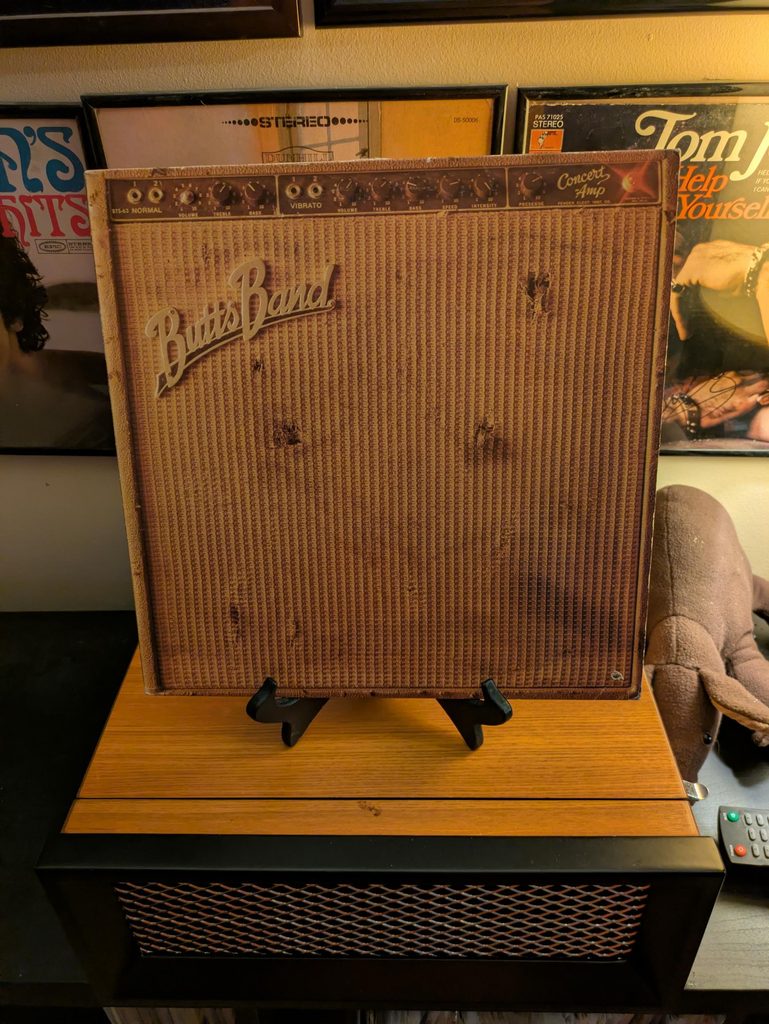
- The Butts Band – Butts Band (1973) and Hear and Now (1975)
After The Doors disbanded in 1973, guitarist-songwriter Robby Krieger and drummer John Densmore collected the shattered remnants of the band’s final activities and continued their musical trajectory under the preposterous moniker The Butts Band. With band members scattered over multiple continents which saw Krieger and Densmore ultimately create two completely different musical lineups, The Butts Band explored a diverse range of musical genres, including soul, funk and reggae, and arguably released two of the finest Doors-adjacent albums from the Post-Morrison era. However, despite hitting on the popular 70’s sound and creating some seriously good music, The Butts Band were so overlooked that even die hard Doors fans didn’t realize they existed. An exploration into the 60+ year friendship between Robby Krieger and John Densmore, and their continuing musical journey through the 1970’s and beyond. Extra: The ultimate break up of The Doors, and how The Butts Band emerged out of it’s ashes.
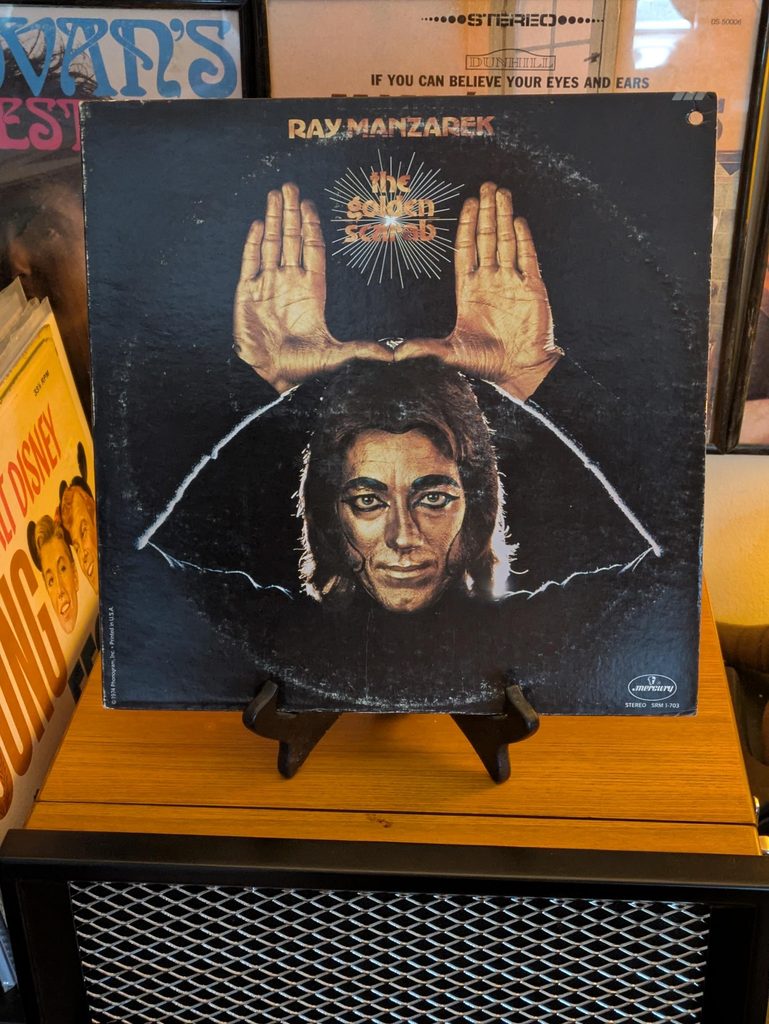
- Ray Manzarek – The Golden Scarab (1974)
After disbanding The Doors in 1973, founding member Ray Manzarek collected all of his pieces together in an attempt to forge a solo career for the first time. Still feeling the loss of Jim Morrison and the unique element that he brought to the 1960’s soundscape, Manzarek attempts to merge his spirit with that of the late "Lizard King" in his 1974 solo debut, "The Golden Scarab.” But was what was to be a “back to the basics” concept album which would bring back the mysticism and philosophy of the classic Doors era a misunderstood masterpiece, or a massive career misstep? A look at the symbiotic relationship between Jim Morrison and Ray Manzarek, and how it inspired one of the 70’s most divisive concept albums. Bonus: Manzarek’s second album, “It All Began With Rock n’ Roll, Now It’s Out of Control” - was it the album that Doors fans really needed?
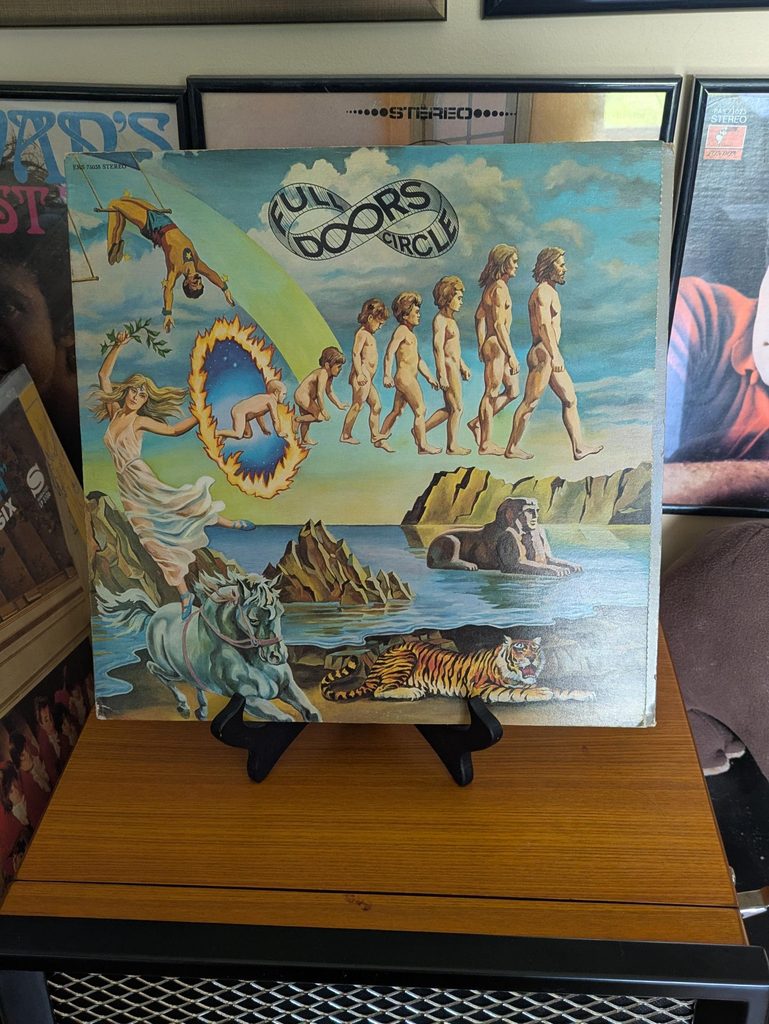
- The Doors – Full Circle (1972)
Having successfully rebuilt their band despite the uncertainty left in the wake of Jim Morrison’s death, in 1972 Elektra Records signed Ray Manzarek, Robby Krieger and John Densmore to a new contract with high hopes for the future of The Doors. With a newfound freedom to go into new and different musical directions, The Doors continued forward, expanding the band into a larger entity and experimenting with jazz. Latin music and rhythm and blues, resulting in the release of their most “UnDoorsiest” album of them all, “Full Circle.” But it seems that new directions created new cracks , not only in their fanbase, but within the band themselves. When the end for The Doors finally came, it wouldn’t be with an Oedipusian monologue, but as the soft buzz of “The Mosquito.” A look at “Full Circle” and the breakup of The Doors. Extra: How French singer Joe Drassin made the forgotten hit “The Mosquito” the second most covered Doors song of all time!