
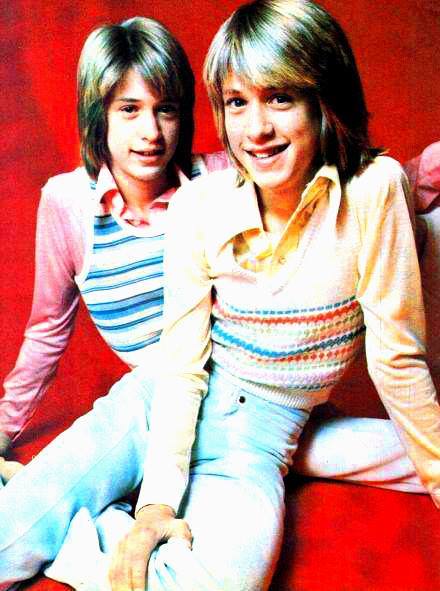
Forget “Night Gallery” or “Kolchak: The Night Stalker.” Possibly the most unsettling television of the 1970’s was the episode of “The Partridge Family“ guest starring Andy and David Williams, aka The Williams Brothers. You may have seen their performance from this episode recently featured on Instagram and Tik Tok reels. It’s the one with the shaggy hair twins in the matching sweater vests and Susan Dey with a cold shell shocked forced smile. It’s eerily unsettling kitcch which has been preserved for history with very little context.
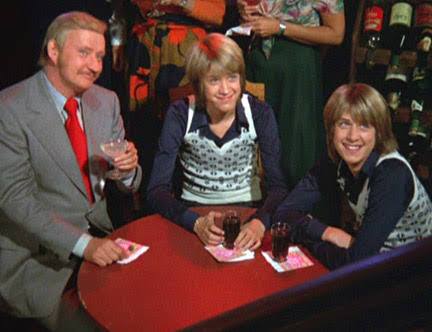
Well, if you’re not familiar with this classic episode, let me quickly recap. In episode fourteen of the fourth and final season of “The Partridge Family” (titled “Two for the Show”), Reuban Kincaid starts representing David and Andy Williams and brings them to San Peublo to record their new demo single, and Shirley Partridge agrees to board the two fifteen-year-old twins at their house. Well, upon walking through the door, the two young fellas immediately become obsessed with 19-year-old Laurie. Now I can understand this because when I was a kid even I had a crush on Susan Dey. Let’s face it. She was the true smoke show on that program. But, up until that episode, for some reason Laurie never seemed to have that much problem fending off unwanted attention. That was more Keith’s problem, and even Danny had that episode where Jodie Foster fell in love with him. But in the case of Laurie, puppy love was going to quickly turn into obsession, and she had her hands full because not only were there two of them, and they were already in the house!
So, without asking Laurie for any input on the matter, such as if she is even into younger guys or not, David and Andy decide that she can’t just love both of them, and they begin to harass her into “choosing between them,” despite the fact that Laurie can’t even tell them apart. Their obsession gets so out of hand that the pair eventually decide to part company with one another, becoming solo acts and threatening to not “dress alike” anymore. Instead of Laurie sitting the boys down and telling them that they really need to back off because this isn’t how you win a girl’s heart, the family try to aid Laurie. In one outrageous scene, Danny and Keith literally pimp Laurie out to multiple college guys, and eventually Shirley sits the boys down and tries to explain that a girl isn’t worth breaking the special bonds between brothers. Eventually, David and Andy come to the conclusion for themselves that they’re getting nowhere by stalking Laurie, who never actually ends up standing her ground, and donning those now iconic horrible matching sweater vests, they perform their latest hit “Say It Again.” In the end Laurie is off the hook, although probably slightly traumatized, and Andy and David have learnt nothing. Although done in the name of comedy, The Williams Brothers, who were bonafide teen idols in the pages of “16 Magazine” and “Tiger Beat” at the time the episode was made, come off as being uncomfortable and ghouly instead of cute and cuddly. It is one of the cringiest sit-com episodes ever produced, and in the current era of incel culture, its only gotten worse with age. Unfortunately for people who didn’t grow up on “16 Magazine,” this episode is most likely their first, and possibly only, exposure to Andy and David Williams.
So let’s talk about Andy and David Williams, and how the way they are remembered from their appearance on “The Partridge Family” is not only not their fault, but also a complete misrepresentation of two young guys who had a great sound and, unbeknownst to anyone at the time, had actual talent hiding within their souls. There is a lot more to David and Andy Williams that meets the eye.
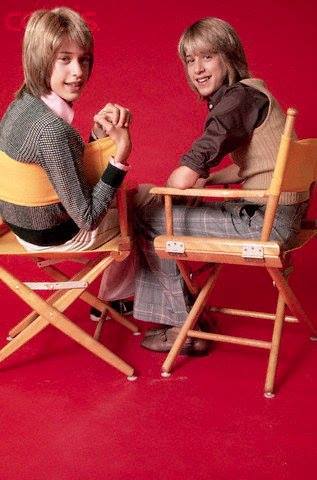
Now at first look, I’ll admit that I don’t understand the appeal of Andy and David Williams as teen idols. To me, David and Andy had a pasty sort of look to them, resembling more of a pre-prescient Klaus Kinski then the marketable studs and cute boys that appeared in the same magazines during their era. But, if you just take the Williams Brothers at face value, you’re going to get a surprise when they start to sing. Beyond their translucent skin, shaggy hair cuts and juvenile aesthetic, Andy and David Williams, even as young teenagers, had a sound that was far more mature than they may have appeared. Their performance of “Say It Again,” albeit pure bubble-gum, is far richer than anyone would have imagined. In all honesty, while Andy and David Williams may not have gone down in teen dream history as the most famous teen idols of all time, they may arguably be amongst the most talented of the 1970’s bubble-gum artists.
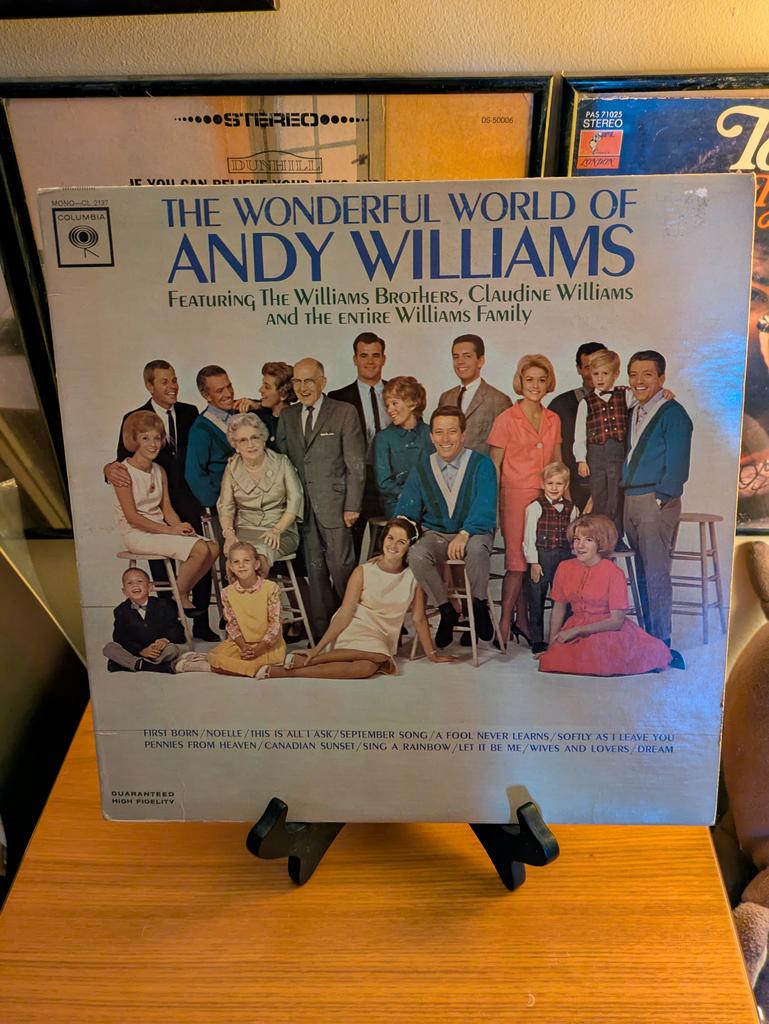
David and Andy Williams were literally born into the music business. It was an important part of their family legacy. During the 1950’s their father, Don Williams, and his three brothers formed their singing group, which was also called The Williams Brothers, and had achieved national success, while one member of the group, youngest brother Andy, broke off to go solo and became one of the most popular crooners of the 20th century and a television staple. By the time they were old enough to start singing, their father, now a successful show business agent, was teaching the boys how to perform together, with David singing lead and Andy singing harmonies, as well as bringing home records ranging from country to rock to r&b. Early music influences for Andy and David included The Everly Brothers and Roy Orbison, and at an early age they began to try to imitate the intricate sounds of both performers. Of course, Andy and David had an entire family of musicians to learn from, and when their Uncle Andy went to television in 1962, the original Williams Brothers not only reformed, but the extended families of the brothers began appearing on Uncle Andy’s annual Christmas specials. In regards to vinyl, collectors can get an early look at Andy and David, at age three, on the cover of Andy William’s 1963 album “The Wonderful World of Andy Williams.” Located on the far right of the family portrait, even then they were wearing matching vests.
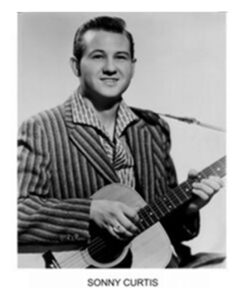
But when they first saw The Beatles perform on The Ed Sullivan Show when they were four years old, Andy and David knew they wanted to be involved in pop music. Andy and David’s first music lesson would come from guitarist/song writer Sonny Curtis, who haad been Buddy Holly’s lead guitarist in The Crickets, and would go on to write hits such as “Walk Right Back” for The Everly Brothers, “I Fought the Law” for Bobby Fuller and, much later, “Love is All Around,” better known as the theme song to “The Mary Tyler Moore Show.” Teaching the boys basic guitar chords on the ukulele, David and Andy had already formed their own pop trio by age ten where they jammed out Beatles and Herman’s Hermits songs. As the 60’s continued, the boys continued taking music very seriously, and gravitated towards groups that had elaborate vocal arrangements, such as The Mamas and the Papas and The Beach Boys.
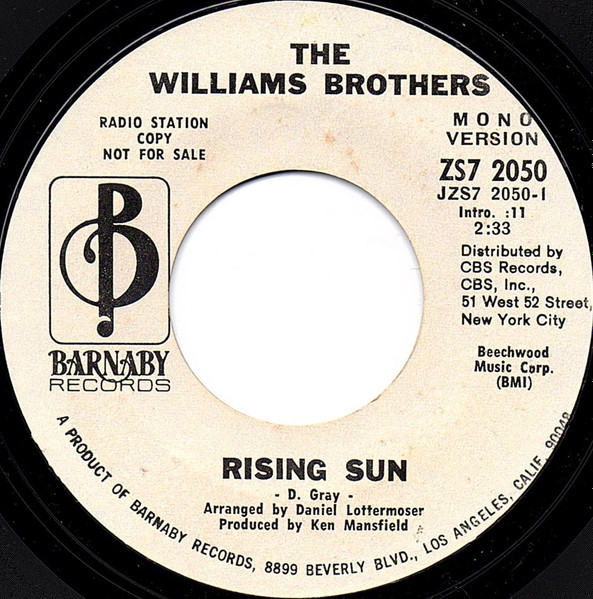
At twelve years old Andy and David would cut their first single, “Rising Sun,” on Uncle Andy’s fledging record label, Barnaby Records. This track proves to be a rare one because, despite the single being cheaply available for sale at Discgos, I can’t find any audio of it anywhere on the internet. Now I find the timing in which Uncle Andy decided to produce a single for Andy and David to be a bit curious. A year earlier The Osmond Brothers, who had been discovered by Uncle Andy and become a staple within his enterprise had amicably parted ways with their musical mentor to pursue pop music. Signing with producer Mike Crub, The Osmonds blasted off into pop superstardom in 1971 with their first Billboard hit, “One Bad Apple” and were now pretty much the biggest thing in pop music this side of the Jackson 5. Perhaps Uncle Andy was trying to fill in the gaping hole left by the youthful spirit of The Osmonds by giving his nephews a shot at entering the music industry. Well, the idea was there, but the single went nowhere. It seemed to have been just a little too early for the “new” William Brothers.
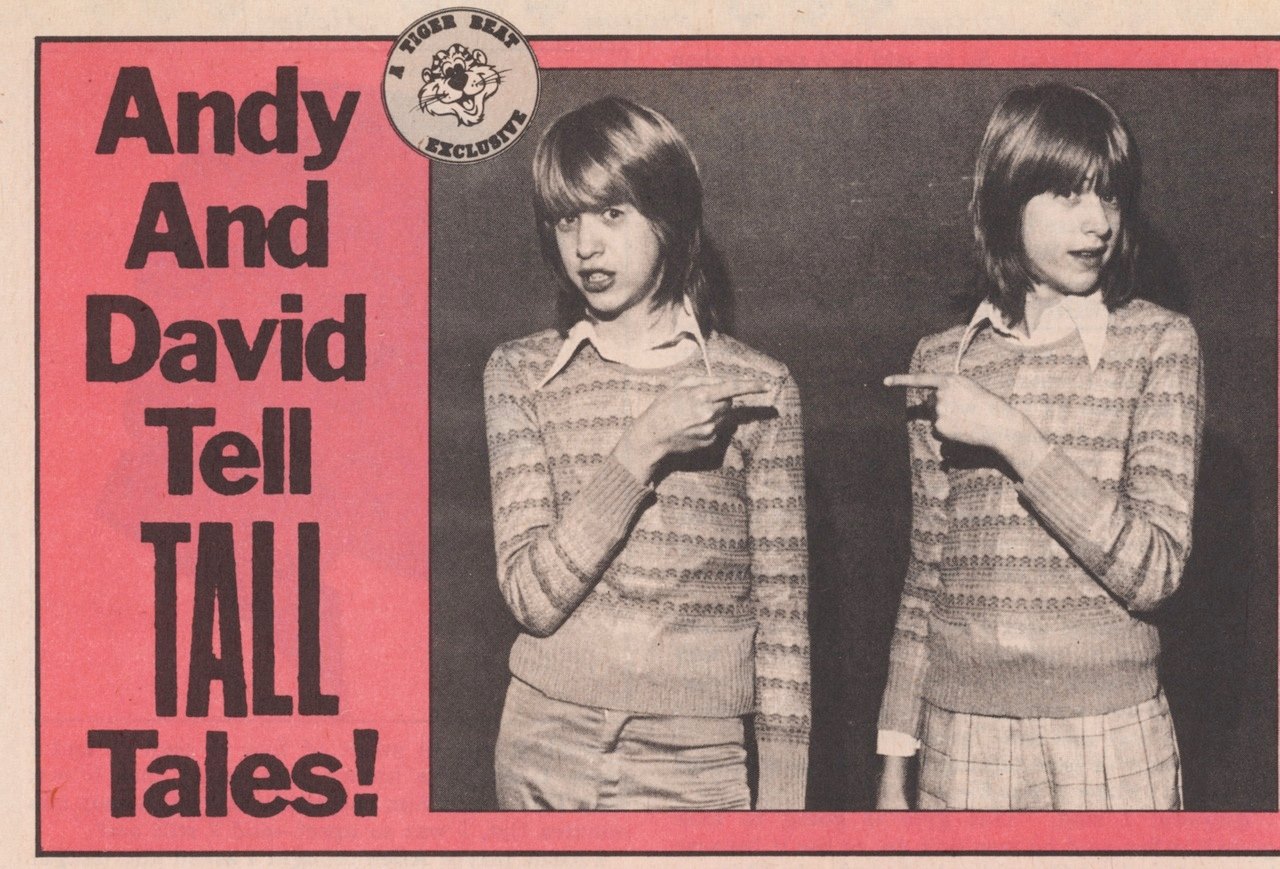
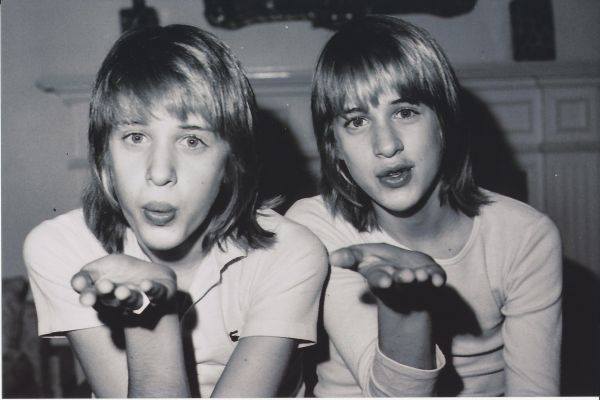
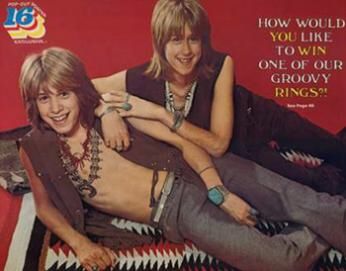
But by the end of 1972 things would be different. Andy and David were now thirteen years old, and when a photo of the pair from an appearance on there Uncle Andy’s show was featured in an issue of “16 Magazine,” it got reader attention. The reactions of the young girls that bought the magazines dictated who was featured and dropped from it’s pages each month, and while disregarded by established critics and media companies, the power that teen readers had in catapulting cute boys to fame was more powerful than often credited, especially throughout the 1970’s. Well, with those shaggy haircuts and matching smiles, Andy and David got enough attention to make “16 Magazine’s” editorial staff notice, and suddenly the boys were being featured in the pages of each and every issue. Known to be well mannered and easy to deal with, Andy and David made themselves available to the teen magazine publishers, although most of what was written about them was completely made up, with most of the articles being about which one of the twins would be a better match for you, and, of course, how to tell them apart (apparently it was all in how they cut and combed their bangs).
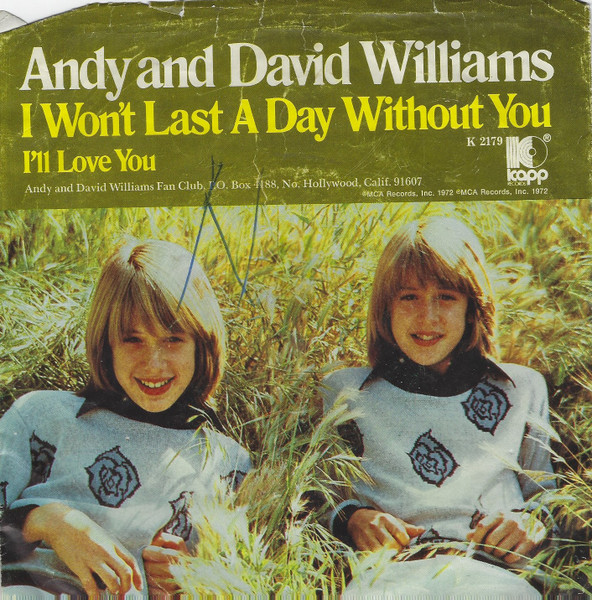
With their sudden popularity as budding teen idols, their father, who had previously represented The Osmonds in the earlier part of their career, got the boys a recording contract with Knapp Records, which led to their second single – a well performed version of Paul Willaims’ “I Won’t Last a Day Without You.” The song was a curious choice, because while it was released earlier that year on The Carpenters’ album “A Song For You,” it wouldn’t be a hit for Richard and Karen until 1974 when their version was rereleased as a single. But while The Williams Brothers’ version of “I Won’t Last a Day Without You” may have lacked the warmth and emotional context that Karen Carpenter could deliver, their performance of the song contained a surprising amount of vocal maturity for boys their age, and a sound that defied their youthful appearance. While the single failed to achieve Billboard success, it was a solid introduction to Andy and David Williams beyond the superficial fluff being produced by the teen mags.
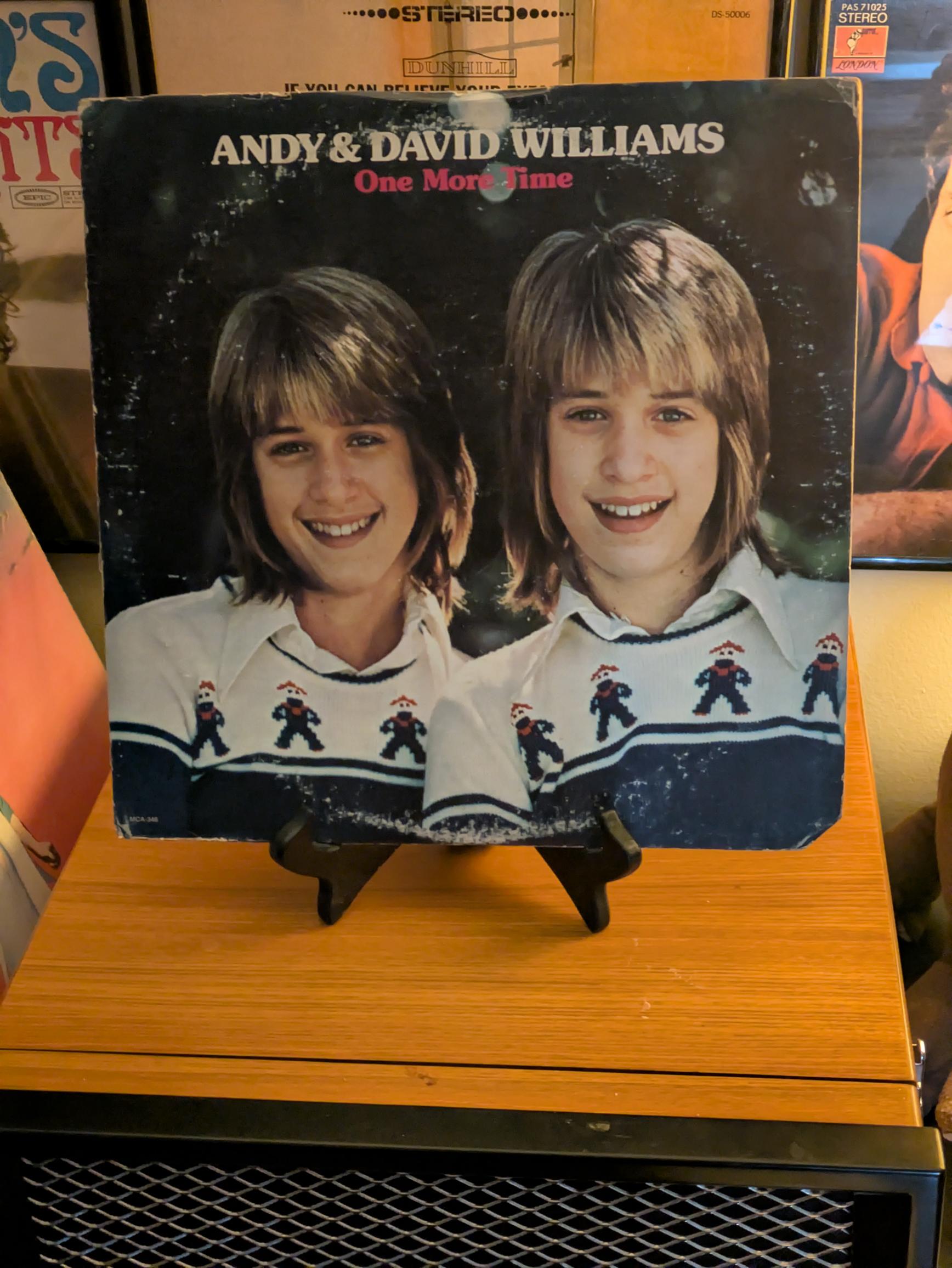
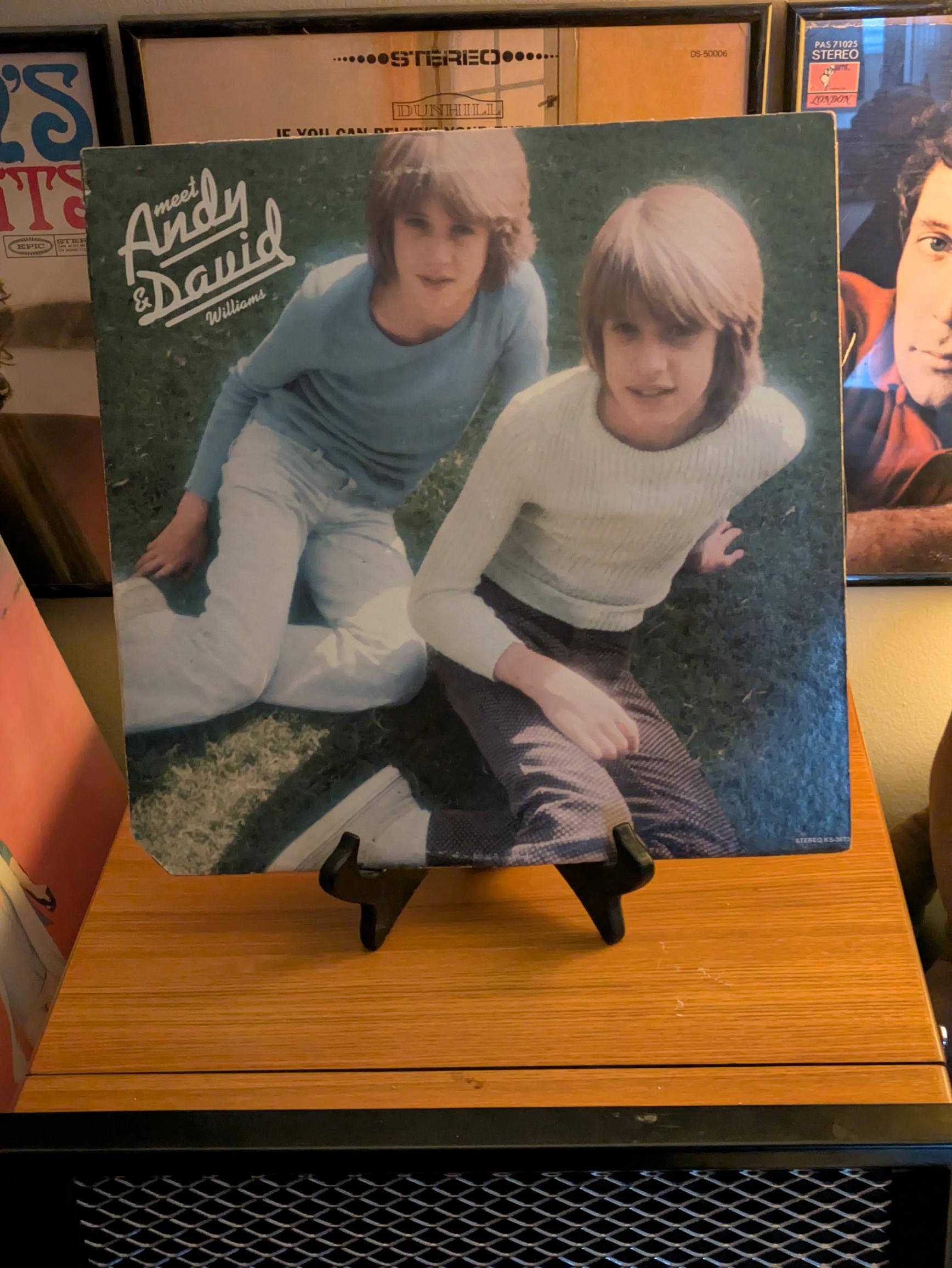
1973 would prove to be Andy and David Williams’ busiest years with the release of their two full length LPs via MCA Records, “Meet Andy and David Willaims,” followed by “One More Time.” Andy and David continued to prove themselves to be good vocalists, who now at fourteen years old seemed to have already shed the prepubescent boyish vocals of contemporaries like Donny Osmond, Tony DeFranco and Michael Jackson, which allowed them to deliver capable covers of Burt Bacharach’s “Make it Easy on Yourself,” Little Anthony’s “Going out of My Head” and even Roy Orbison’s “Oh, Pretty Woman,” with somewhat believable conviction. According to the twins in later interviews, they really had little to do with the song selections on tbe albums, but their material proved to be put together by people who were obviously carefully selecting songs and creating arrangements that would compliment Andy and David’s vocals. “Meet Andy and David Williams” proved to be the stronger of the two albums, with a soft pop feel to it, while “One More Time” incorporated far more bubble-gum tracks. Although the albums were destined to be ignored by critics and disregarded by serious music buyers, in regard to the majority of albums being released by teen idols at that time, The Williams Brothers’ albums were above average in regard to performance and production. .
To promote the albums, The Williams Brothers made appearances on “American Bandstand,” and then were off on a tour with their Uncle Andy to Australia and Asia, where they cultivated strong fan followings. They finished up 1973 by being featured in their Uncle Andy’s annual Christmas Special where, wearing matching ugly Christmas sweaters with their names emblazed on the front so that the audience could tell them apart, Andy and David performed an excellent, if not slightly awkwardly staged, version of The Everly Brother’s “Hello Mary Lou.”
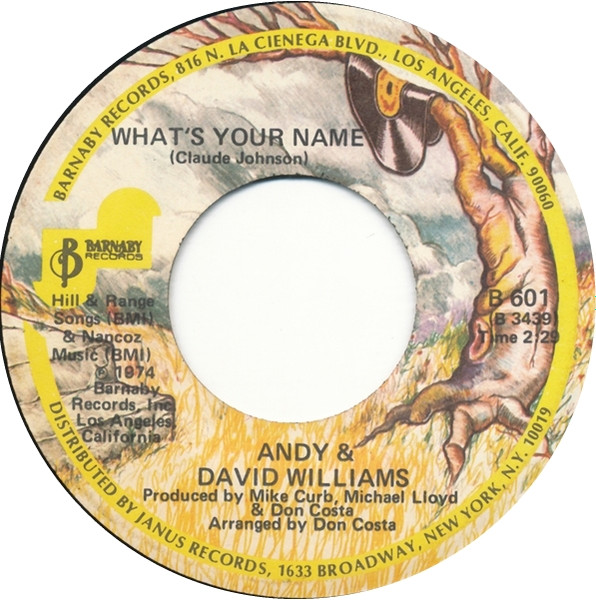
Yet despite 1973 being both a prolific and successful year for Andy and David, they surprisingly did not land any singles on the Billboard charts despite the quality of their music. It wouldn’t be until 1974 that the boys saw their first hit record – a cover of Don and Juan’s 1962 hit “What’s Your Name” which just barely made it onto the Billboard Top 100 where it got only as high as #92. Ironically, “What’s Your Name” did not appear on either of David and Andy’s albums and was only released as a single. Just why “What’s Your Name” was the song that made it is anyone’s guess because, as a total throwback to another era of rock n’ roll, it lacked the maturity that the Williams Brothers had put into previous recordings and was a noticeably weaker release. My best guess is that America’s new love affair with 50’s rock n’ roll had just begun with the release of “American Graffiti” a year earlier. For a hot moment the sound of the 50’s and early 60’s would have a reprise in the music scene, and perhaps The Williams Brothers’ version of “What’s Your Name” was an early example of that trend. Otherwise I’m baffled why it was the song that made it because, in all honesty, it wasn’t one of their best.
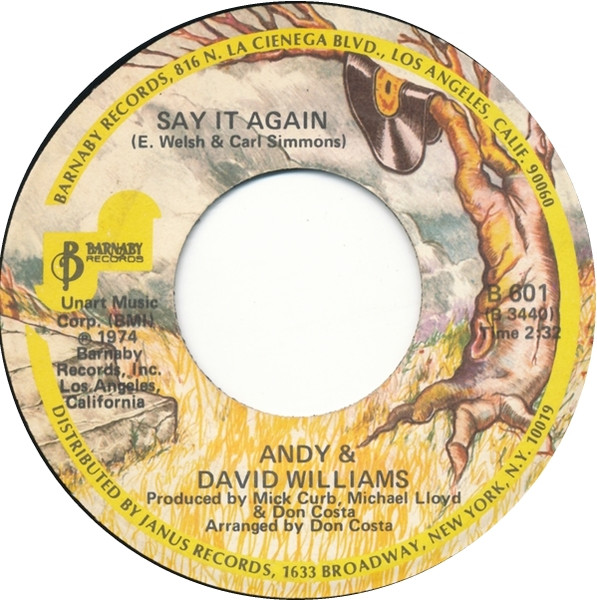
But even more baffling is that the B side to the record would go on to become The Williams Brothers’ most recognized song in popular culture. The B-Side was, of course, “Say it Again,” which would be featured on ‘The Partridge Family.” Originally recorded in 1971 by Davy Jones’ on his first post-Monkees solo album, “Say It Again” was another inspired choice for Andy and David to perform, having gone nowhere the first time around. Making it less of a cheeky dance hall song and cleaning it up into a modern bubble-gum track, Andy and David was able to weave a certain magic into the song, and although not one of their best, it had a great hook and an infectious charm. But the song was a curious selection for their “Partridge Family” appearance. Like “What’s Your Name,” it never appeared on any of the Williams Brothers’ albums, and as the B-side to the hit single, it was destined to be buried. Despite the “Partridge Family” exposure, “Say It Again” did not become a hit, but due to the series staying a popular favorite in the pop culture zeitgeist, the song would prove to become Andy and David Williams’ legacy song.
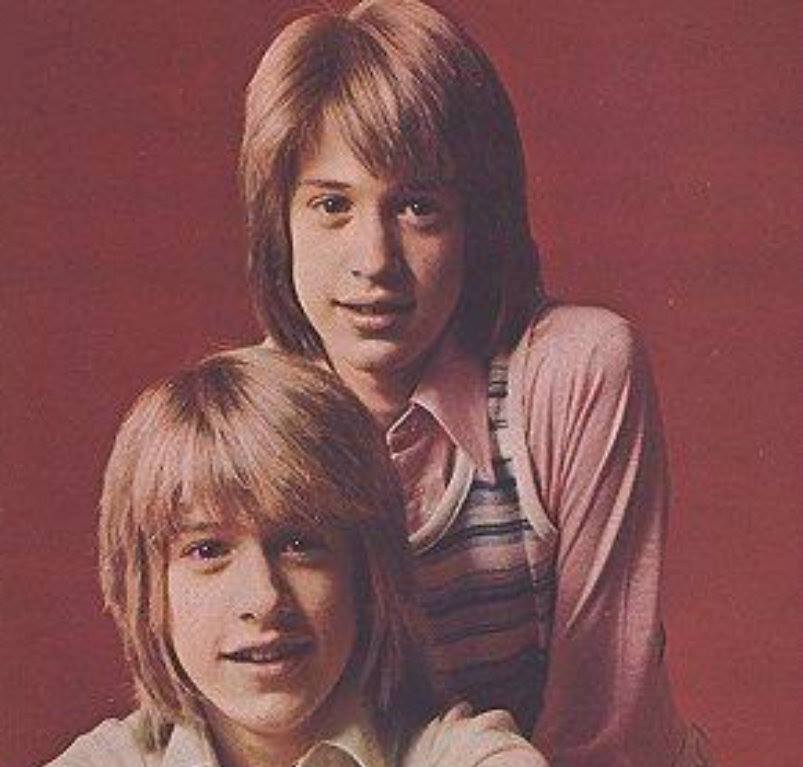
Although the narrative of “The Partridge Family” episode set David and Andy to seem like a “new act,” in reality it was the beginning of the end of the Williams Brothers’ first era. The twins wouldn’t release any more full albums during the 1970’s, but did release a pair of fairly decent singles back on Uncle Andy’s Barnaby label in 1975 – a well produced cover of Gary Lewis’ “This Diamond Ring,” and a strong entry into the world of soft pop with “I Don’t Know How to Say Goodbye,” which showed some shades of things to come. But soon after David and Andy ended the teen idol era of their lives.
According to the twins themselves, how it came to an end seems to have happened fairly organically. In an interview given for the 1997 book “16 Magazine: Who’s Your Fave Rave?” Andy stated that when they had turned sixteen years old the two of them just agreed one day to quit the teen idol thing and step back from show business for awhile, feeling that they had outgrown their public image. But this is where things for the Williams Brothers actually started getting more interesting.
Still serious about music, the twins were being inspired by musicians like Elton john, Carol King, James Taylor, Paul Simon. Cat Stevens and Stevie Wonder and without bubble-gum producers pulling their strings, Andy and David began to pick up instruments and, looking inwardly, began to compose and write together for the first time. While becoming regular spectators within the LA new-wave/power pop scene, the Williams Brothers quietly worked at their craft becoming fine song writers in their own right.
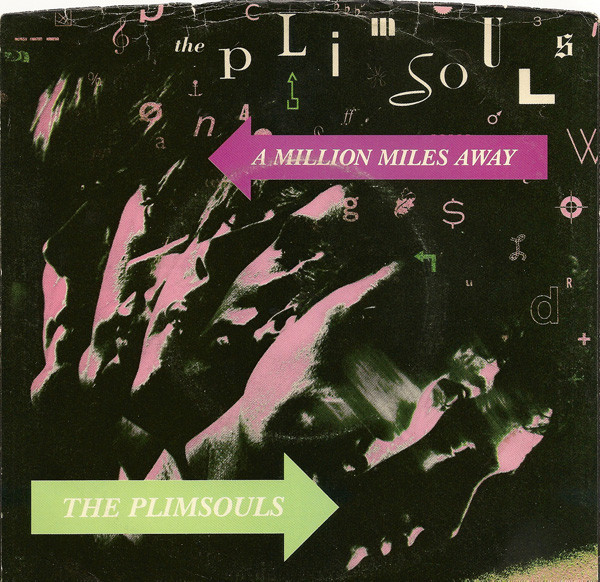
At the beginning of the 1980’s, Andy and David became associated with LA based power-pop group The Plimsouls, who had Andy sit in on organ and backing vocals for their 1982 single “A Million Miles Away.” Featured in the film “Valley Girl,” which also contained an appearance by The Plimsouls, “A Million Miles Away” became a minor Billboard hit, making it to #82 on the charts. For the group’s follow up album, “Everyone at Once,” The Plimsouls had both Andy and David in the studios working as backup vocalists, which led to a relationship with producer Jeff Eyrich, who liking the twins’ work kept them onboard as regular vocalists for bands he was working with.
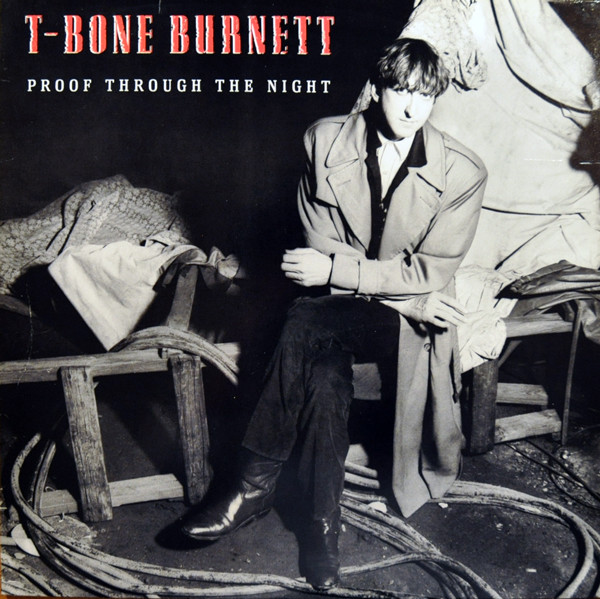
This led to what would one of The Williams Brothers’ most valuable relationships when they met T-Bone Burnett while working on his 1983 album “Proof Through the Night.” Burnett felt that the vocal sound that Andy and David provided for the album was so important that he hired them to become a part of his touring band, putting Andy on organ and David on guitar. Through working behind the scenes as session musicians, the twins were able to parlay a new record contract with Warner Brothers Records which led to the release of their first album in fourteen years, “Two Stories.”
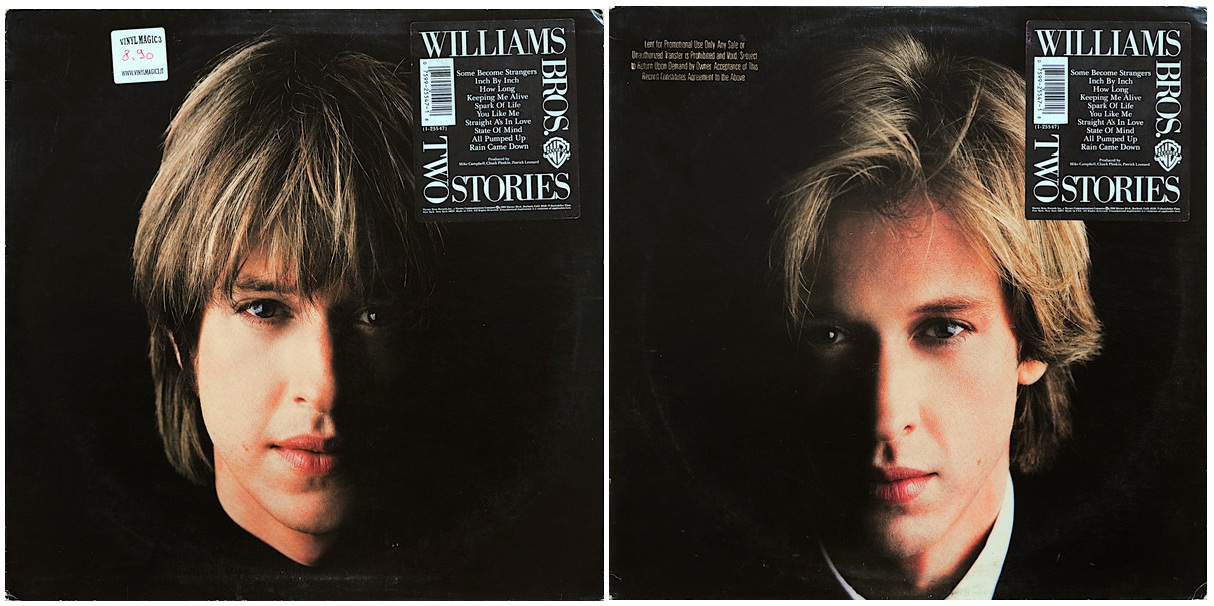
Now while “Two Stories” is technically Andy and David’s third album, the duo really treated it like it was their first. A solid 80’s alt-rock release, nothing remained from their teen idol era. Gone were the shaggy hair, matching outfits and scrawny cuteness and, in its place, were two introspective and intelligent young men in their twenties who had grown into extremely good singer-songwriters. Released in 1987, what was a refreshing difference between The Williams Brothers compared to many of their teen idol contemporaries that were still trying to make the music scene was that instead of chasing former glories with a ‘comeback album,” Andy and David truly treated this as a new beginning where, for the first time, they were able to bring their words, talents and authentic personality to the forefront. They wanted the audience to find value in their new music, and they weren’t taking the stage to do a lame rendition of “Say It Again” during performances. Perhaps the fact that they had never reached the top of the “16 Magazine” banner helped them in thief regard, because by fading into obscurity as teen idols, they were able to reestablish themselves much easier as serious musicians without the stigma of their childhood career dominating the memories of the public. To reenforce this point, the two eras of The Williams Brothers’ music is even divided today on Spotify, with their teen idol material being found under “Andy and David Williams” and their original music being under “The Williams Brothers.”
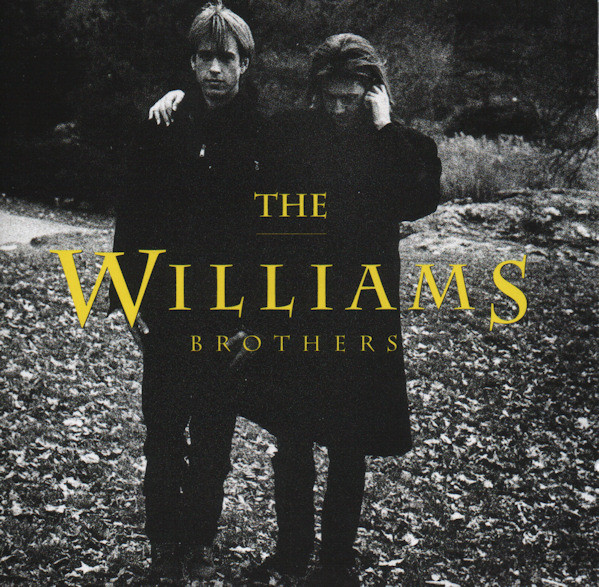
“Two Stories” proved popular with critics, and The Williams Brothers went on tour becoming supporting acts for Suzanne Vega, Roy Orbison and Tom Petty and the Blackhearts. This led to the production of their second album, simply titled “The Williams Brothers,” that included an acoustic ballad written by David and singer/songwriter Marvin Etzioni, called “I Can’t Cry Hard Enough.” Inspired by the death of a friend from a drug overdose, the track hit all the right emotional chords, becoming The Williams Brothers; second Billboard hit reaching #42 in early 1992. Emotionally potent and beautifully executed, the harmonies and vocal maturity that made The Williams Brothers exceptional in their youth flourished to a new intensity. A beautiful deep cut from the 1990’s, “I Can’t Cry Hard Enough” legitimized Andy and David Williams as more than former teen heartthrobs from an earlier era, but as exceptional songwriters and performers.
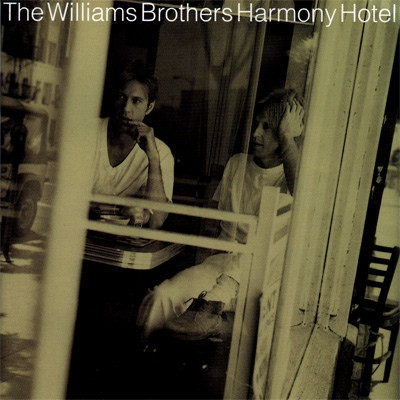
The Williams Brothers followed up in 1993 with a third release, “Harmony Hotel,” which had a softer feel with more emphasis on harmonies, but while it was a strong release it generated little interest. But with the end of their Warner Brothers contract coming up, David made the surprising decision to step away from not only music, but his brother as well. Having always been together as a duo, David sought to try to discover who he was as an individual, so he moved across the country to New York City where he worked for an architect firm. Meanwhile, Andy remained in Los Angeles working in music production and remaining behind the scenes in the industry.
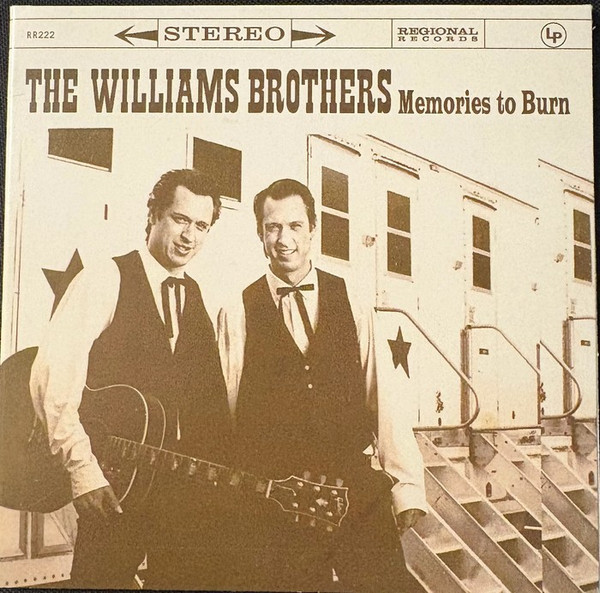
But that wouldn’t be the end of making music together. In 2022 Andy and David reunited once again to release an entirely new type of project titled “Memories to Burn.” This time The Williams Brothers were leaving behind the pop scene altogether and turned their attention to country music, emulating the style and the sounds of the pioneers of the genre from the early days of the honky tonk. Emulating the traditional sounds of The Louvin Brothers, The Carter Family and their earliest influence, The Everly Brothers, “Memoires to Burn” is a fantastic listen which blends Andy and David’s expert harmonies with a little bit of old-fashioned country soul.
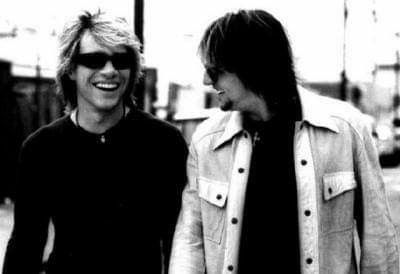
Although they remain to be fairly affordable on Discog’s, David and Andy Willaims’ albums aren’t records that seem to pop up at record shops or vinyl shows. Perhaps it’s because during both eras of their career – their teen idol phase and their serious musician phase – the duo was just a little to niche with a small but appreciative fan base which bought their albums. I’ve yet to find any of their albums from the 1980’s and 90’s for my own collection, but all of them are available to stream at Spotify and are great listens. But don’t disregard their bubble-gum material either. As a fan of the genre, I honestly feel that Andy and David Williams’ teen idol material is a notch above the rest in regard to quality. While they may forever be remembered for that horrifying, and potentially embarrassing episode of “The Partridge Family,” Andy and David have had a much bigger career then might be expected after watching their performance of “Say It Again” on Tik Tok and Instagram reels and deserve accolades for for not only surviving teen dolldom, but rising above it and proving themselves to be gifted musical artists.


