
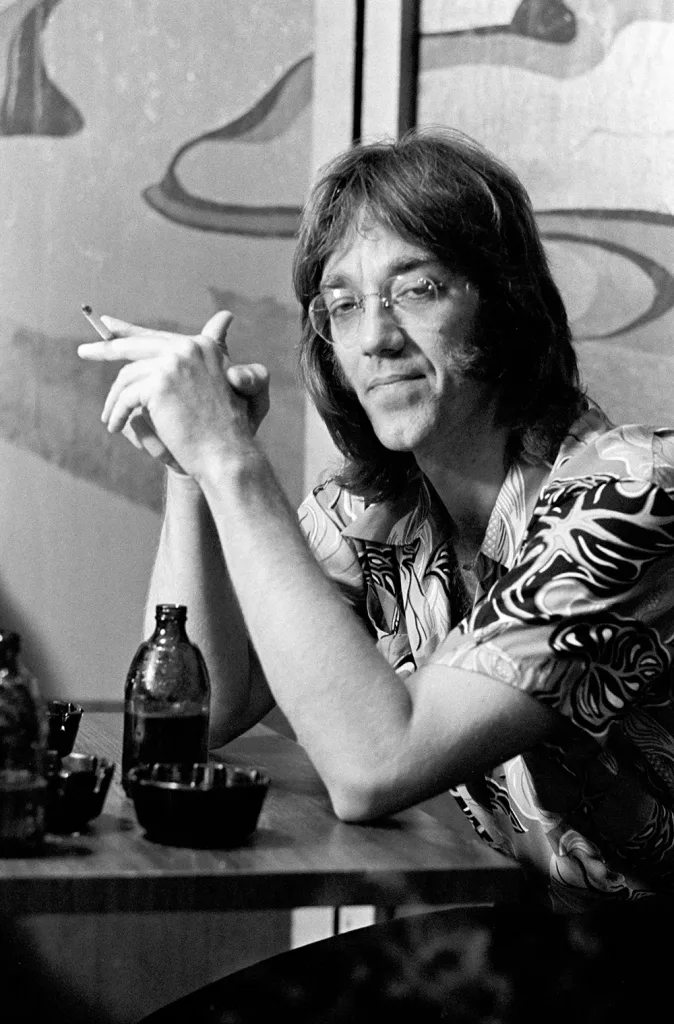
Jim Morrison and Ray Manzarek had what proved to be a symbiotic relationship. Although both men were intelligent and talented in their own right, together they became the driving forces that would propel The Doors to stardom during the second half of the 1960’s. As the enigmatic front man of the band, Jim Morrison has gone into our collective cultural memory as the face and the voice of The Doors. With his dark poetic lyrics, vocal intensity and ritualistic stage presence, Morrison has not only become one of the most recognized sex symbols in the music industry but has gained a near mythical status which would eventually exalt him to a place within our culture that far exceeds his reality when he was alive. But, if Jim Morrison was “the great and powerful Oz,” than Ray Manzarek was “the man behind the curtain.” Although he may have seemed to have been just a supporting musician on Morrison’s mystery trip, Manzarek was in fact calling the shots every step of the way and had the intelligence and insight to recognize that there was a rare quality in Morrison that could seduce the audience in ways he never could. By believing in the magnetic power of the strange and moody poet, Manzarek built his band around a singer who wasn’t even a musician and stepped safely into the background to allow Jim Morrison to weave his spell over the audience. The pair had a mutual respect for one another, with Morrison looking to Manzarek for leadership, while Manzarek recognized Morrison’s raw energy and irreplicable presence. Although each member of The Doors had an important part to play in the ultimate success of the band, Manzarek and Morrison were the two key personalities within the group.
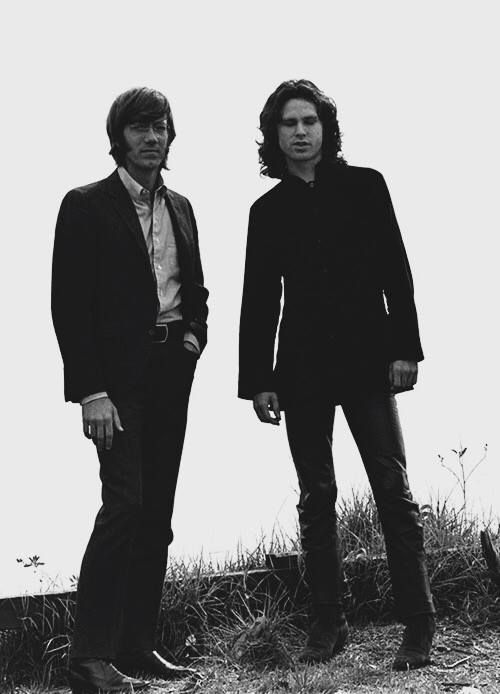
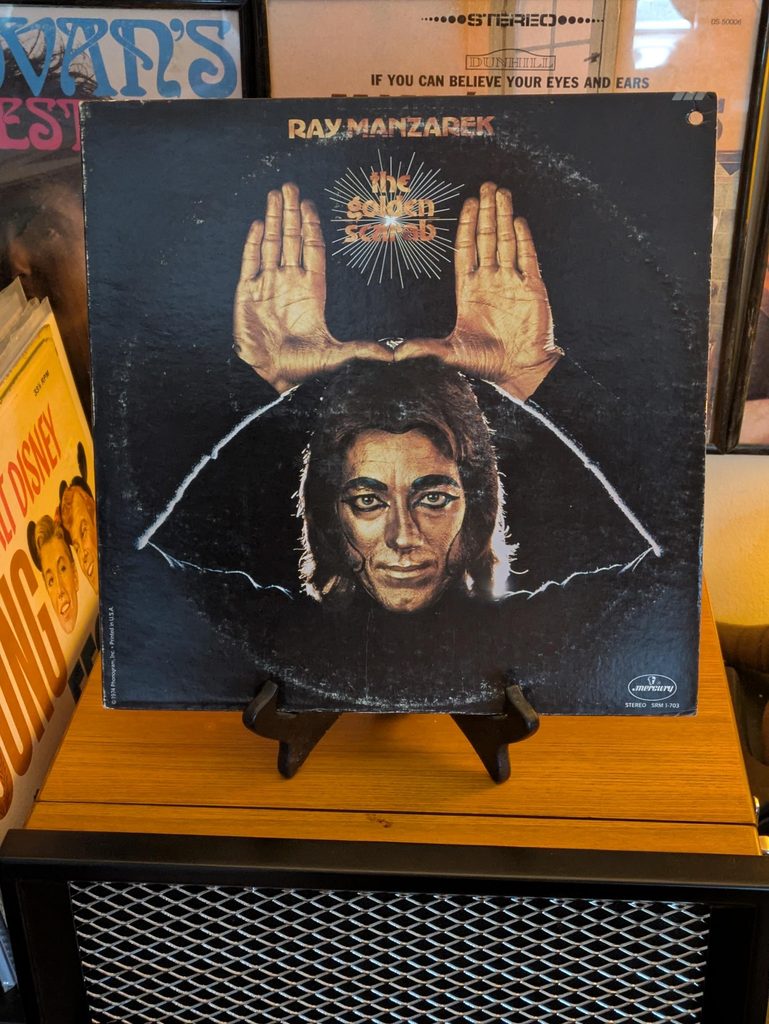
But when Jim Morrison died suddenly in July 1971, Ray Manzarek lost more than a lead singer. He lost a creative partner and a close friend. Although The Doors made a valiant effort to move forward as a band, the absence of Morrison was just too monumental and in 1973 Ray Manzarek closed The Doors for seemingly forever. However, the ghost of Jim Morrison would continue to loom over Ray Manzarek for the remainder of his life, and his presence would continuously be felt as Manzarek made attempts to evolve beyond The Doors and on to other projects. Manzarek could not, and possibly would not, exorcize the ghost of Jim Morrison from his life completely. In the years to come Manzarek would promote Morrison’s legend and resurrect his voice. But when he first made the choice to try his hand at being a solo performer, Manzarek made the bold attempt to merge the spirit of Jim Morrison and himself into a single entity under the guise of “The Golden Scarab.”
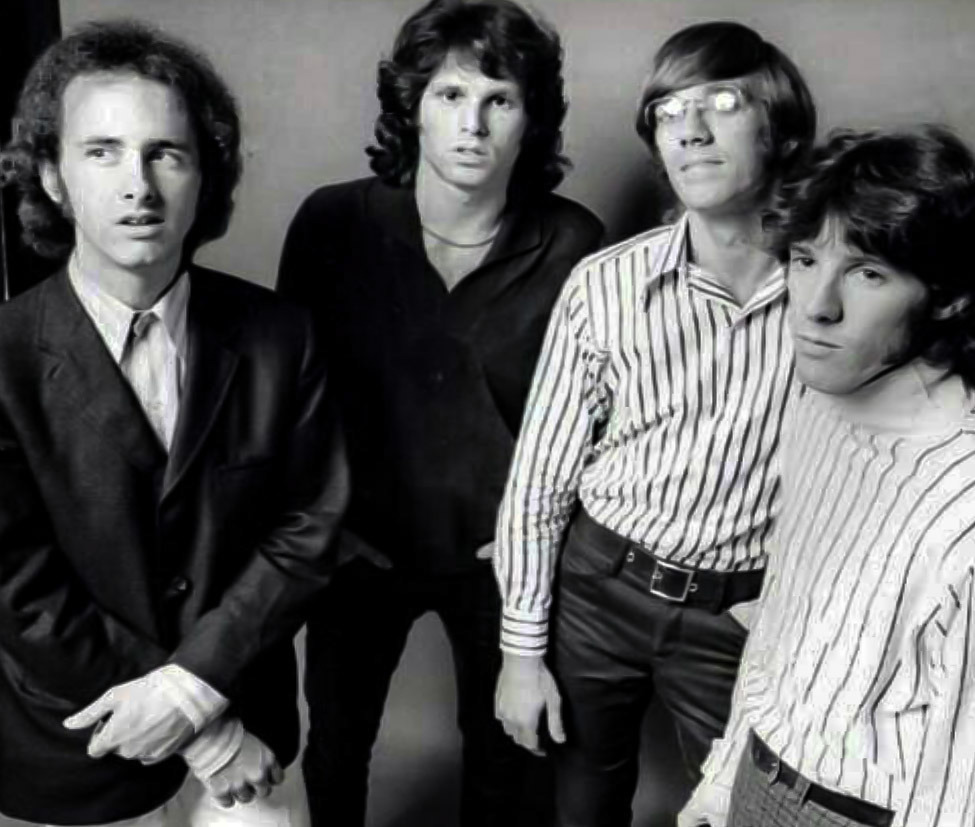
Now I’ve had a love for Ray Manzarek from the moment I first heard The Doors. I was in the tenth grade, and a classmate of mine, Troy, put a Doors cassette tape on during art class. Well, the moment the opening chords of “Light My Fire” floated through the classroom I was hooked! I remember what really turned me on to the music wasn’t the strange lyrics or the moody vocals, and I had no idea about the overall mythology of the band at all. Instead it was the grinding and swirling organ that seduced my ears. It was possibly the most excited I had ever gotten about hearing music for the first time, and I wanted to know everything about it Immediately. Troy started to tell me about Jim Morrison, but I didn’t want to hear about him. I wanted to know about that organ! Troy told me that was Ray, and he was the leader of the band, and then switched back to telling me about Jim Morrison, but as far as I was concerned at that moment, Ray Manzarek was the key member of The Doors. Of course I’d go on to cultivate a more comprehensive understanding of The Doors, not to mention an appreciation for Jim Morrison, but my love for Ray Manzarek was immediate, and to me he has always stood toe to toe with Jim Morrison in being essential to The Doors overall mythology. Having Troy introduce me to The Doors that day was one of the most defining gateway moments in my life as a music fan and collector, and hearing “Light My Fire” for the first time literally changed everything for me forever.
Now I tell you this because I want you to remember how much I admire Ray Manzarek as we delve into “The Golden Scarab.” An important part of Manzarek’s life story, “The Golden Scarab” has a cult following, but proves to be an album that music fans and critics seem to be divided on. Some believe it’s an overlooked gem that needs to be dusted off and rediscovered, while others think it’s an overblown serving of word salad and pretentious nonsense that has only aged worse over time. Personally, I’ve always wanted to believe that “The Golden Scarab” is cool, but every time I pull it out and give it to a listen, I am reminded that “The Golden Scarab” is possibly one of the stupidest concept albums ever recorded.
Wow. That hurt just writing it. Well, let’s take a look at where “The Golden Scarab” came from, and if we can’t somehow redeem Ray Manzarek for creating it, we might at least justify it’s existence.
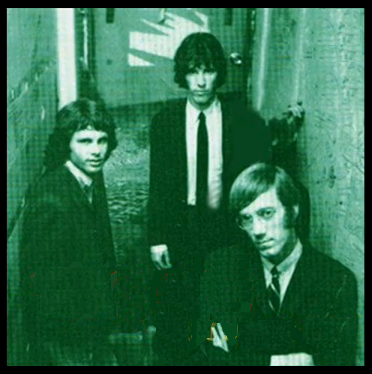
What makes “Golden Scarab” an important part of Ray Manzarek’s story is that it was his first attempt at becoming a solo performer after a lifetime of being a player in a band. After leaving his hometown of Chicago to attend university in Los Angeles, Ray joined up with his older brothers Jim and Rick and joined their garage band Rick and the Ravens. A surf rock group that dabbled in the blues, Rick and the Ravens got work playing at frat parties around UCLA, and occasional gigs in small night spots around Santa Monica. Well, as lore has it, in 1965 Manzarek is sitting on Venice Beach. just watching the surf roll in, when he spots Jim Morrison, a former classmate from his art class, walking along the sand. Waving down this acquaintance, the two get to talking and evenutally the conversation turns to music, and Morrison tells Manzarek that he’s been writing “songs.” He then went on to recite what would eventually become “Moonlight Drive.” Intrigued by the poetic intensity of Morrison’s words, Manzarek invited him to hang out with The Ravens and maybe sit in with them. Not certain if Morrison would even show up, Manzarek was excited when he not only made an appearance but reportedly sat in with the band to sing “Louie Louie.” Well, Manzarek’s brothers weren’t that impressed with Morrison, and they thought his lyrics were dumb. But Manzarek recognized the potential in Morrison and, eventually, chose the future “Lizard King” over his brothers, who quit the band to go do their own thing. John Densmore was already playing drums for The Ravens, and soon Robby Kieger joined the band on guitar. Inspired by an Aldous Huxley poem called “The Doors of Perception,” the band changed their name to the more psychedelic sounding The Doors and over the next two years gained the reputation of being one of the most exciting bands on the Sunset Strip. Signed to Elektra Records in 1967. The Doors dropped their first single, “Light My Fire” during the “summer of love” and it quickly went to the #1 position on the Billboard charts, making The Doors one of the biggest bands in the world.
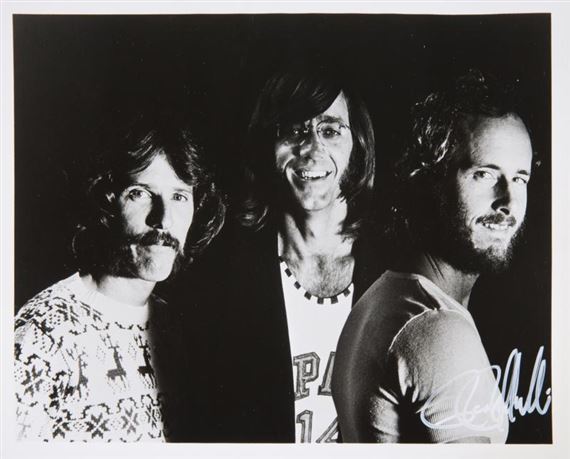
But things would change rapidly within five years, and by the time they released their final album, “Full Circle,” in 1972 the band looked and sounded a lot different than it had in the beginning. After Morrison’s sudden death in 1971, The Doors defied the odds by continuing on without him but had gone into new territory with “Full Circle.” While some might have looked at The Doors’ new ventures into Jazz, Latin and a more traditional R%B as being an attempt to evolve out from under Morrison’s all encompassing shadow, The Doors core audience seemed to feel alienated by the radical change in direction, and “Full Circle” became The Doors’ worst selling album (for more on “Full Circle,” read our Vinyl Story “The Doors – Full Circle (1972)”). Although Robby Krieger and John Densmore wanted to continue with the creative direction the band was going in, Manzarek recognized that The Doors’ best days were behind them, and in 1973 called it quits. Kreiger and Densmore continued making music together, while Manzarek slipped into the background to decide what he was going to do next.
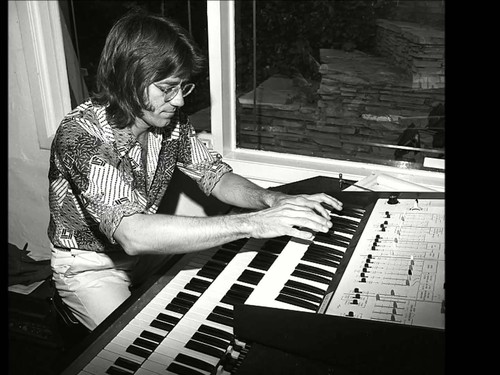
Now on his own, Manzarek reflected on his career and realized that the best years up until that point where the ones spent with Jim Morrison. Even during the most chaotic and dramatic moments, Morrison brought a philosophy, poetry and ceremonial intensity to the music which Manzarek sorely missed, and which he recognized as being what made The Doors so successful. Inspired by the time he spent with his departed friend, Manzarek began writing a concept album about his experience with Morrison, and the wisdom he learnt along the way. Ultimately, what Manzarek sought to do was to go back to basics and reharness the mysterious element that The Doors had brough to the 60’s soundscape, but this time do it all on his own.
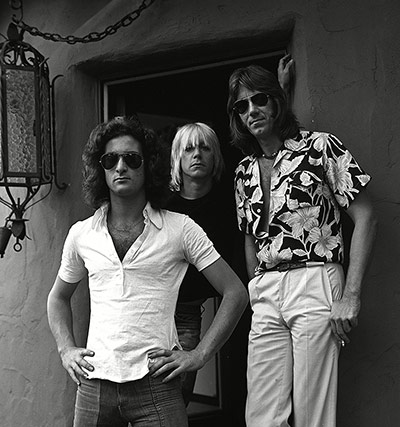
But although he chose not to bring Krieger and Densmore along with him this time, Manzarek would bring back other familiar members of The Doors team to the resurrection. As a partner in this new stage of his career Manzarek looked to Danny Sugarman as being his most important confidant. Joining The Doors family when he was only twelve years old, Sugarman started out sorting and answering the band’s fan mail and eventually went on the road with the group as part of their touring entourage. As a part of The Doors operation during their peak period, Sugarman had experienced Jim Morrison for himself during both the good and the bad times and had intimate knowledge of the magic and chaos that he had brought to Ray Manzarek’s life. At age 17 Sugarman stepped into the role of The Doors’ business manager after former manager Bill Siddons had quit in the days following Jim Morrison’s death, acting as an important supporting figure in band’s operation as they navigated their precarious situation after the loss of their front man. A trusted ally with years invested into The Doors, Sugarman became someone who Manzarek could lean on in the years to come.
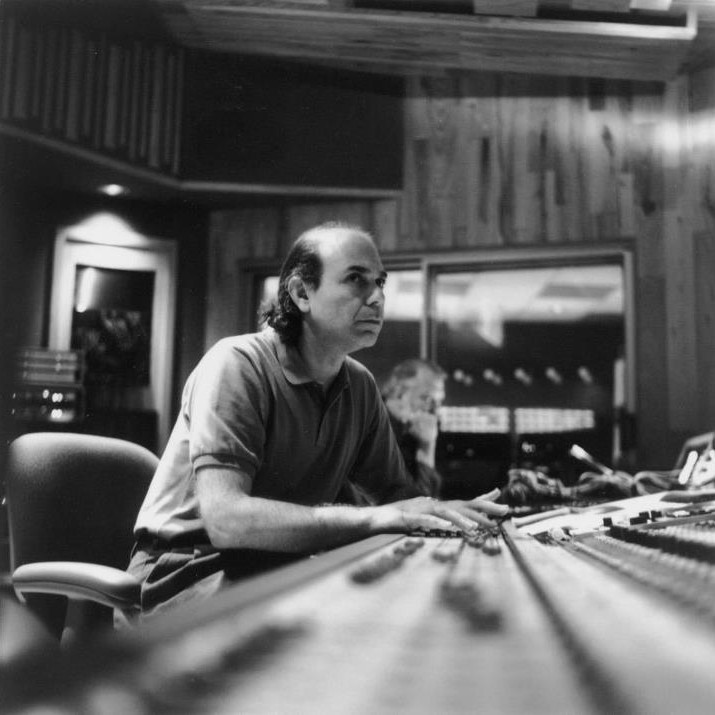
Manzarek also sought out the expertise of producer Bruce Botnick, who had been the architect that produced The Doors’ distinct sound on their first seven albums. Believing that he’d be the one person alive that would have the know how in recreating that classic sound which he desired, Manzarek looked to Botnick as being an important element in the creation process of what he hoped would become his grand opus.
With Morrison’s onstage presence often being called Dionysian in nature, Manzarek sought to create a similar mythical figure that the audience could embrace and came up with idea of “The Golden Scarab.” With much of Morrison’s philosophy coming from Indigenous spirituality, Manzarek chose to switch over to ancient Egyptian imagery and lore as the basis for his deity. Meanwhile, the narrative of his concept album would be fairly straight forward as a reflection on his experiences alongside Morrison, and where he currently was at in this point of his life. When writing about his new album, Manzarek described the basic premise:
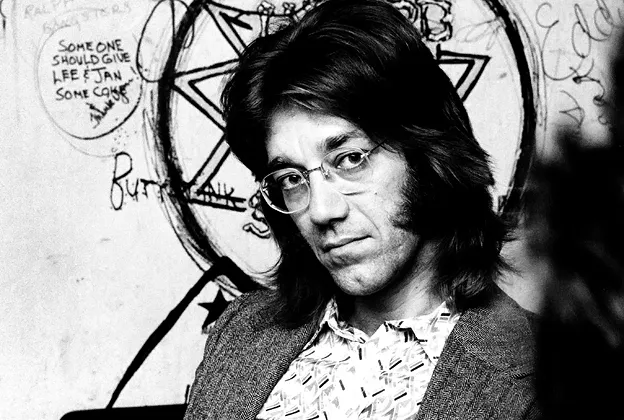
“The storyline in ‘The Golden Scarab’ is the story of a young man’s journey into consciousnesses, from the closed circle of ordinary reality into the realm of light – our true home. As you listen, think of each song as a scene in a film or a stage production taking place behind your eyes…The people wait for a leader, a guru – perhaps even Messiah, to tell them, to lead them. But, ironically, each person can only do it…alone.”
Through eight songs Manzarek would take the listener on an acid influenced journey to a series of destinations where they’d gain new knowledge. They would travel to space, Hell, ancient Egypt, a Zen garden, the future, and finally, back home to the present.
In the end the ultimate take away from the journey is fairly elementary. Knowledge and divinity aren’t found in another being. It lies within, and you don’t need to wait for happiness. Heaven is found in the life all around us! It’s now, and it’s divine.
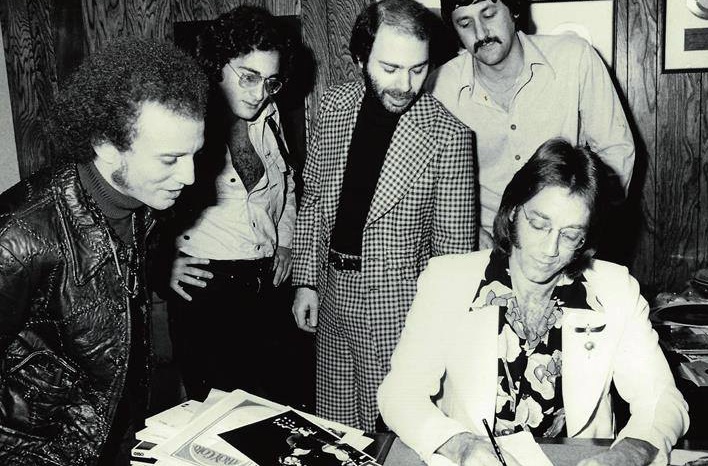
In late 1973 Manzarek and Botnick converged at Sunset Studios in Hollywood to begin work on “The Golden Scarab.” For the project, Manzarek had formed a new core band including bassist Jerry Scheff, who had previously provided bass on “LA Woman,” as well as jazz drummer Tony Williams and studio musician Larry Carlton on lead guitar. Production on the album happened extremely quickly, with the entire project being recorded and mixed in approximately three weeks.
Once the finished project was in the can, Manzarek and Sugarman headed to New York City to shop it around to record executives, and eventually settled with Mercury Records, who signed Manzarek to a two-album deal. In the weeks to come, Sugarman put together a highly effective promotional campaign and managed to drum up a ton of interest in the music trades about the return of Ray Manzarek. A multi-city coast to coast promotional tour for the album was also planned where Manzarek would perform at many of the hot spots across the country, including stops at Max’s Kansas City, The Quiet Knight and The Whisky a Go Go.
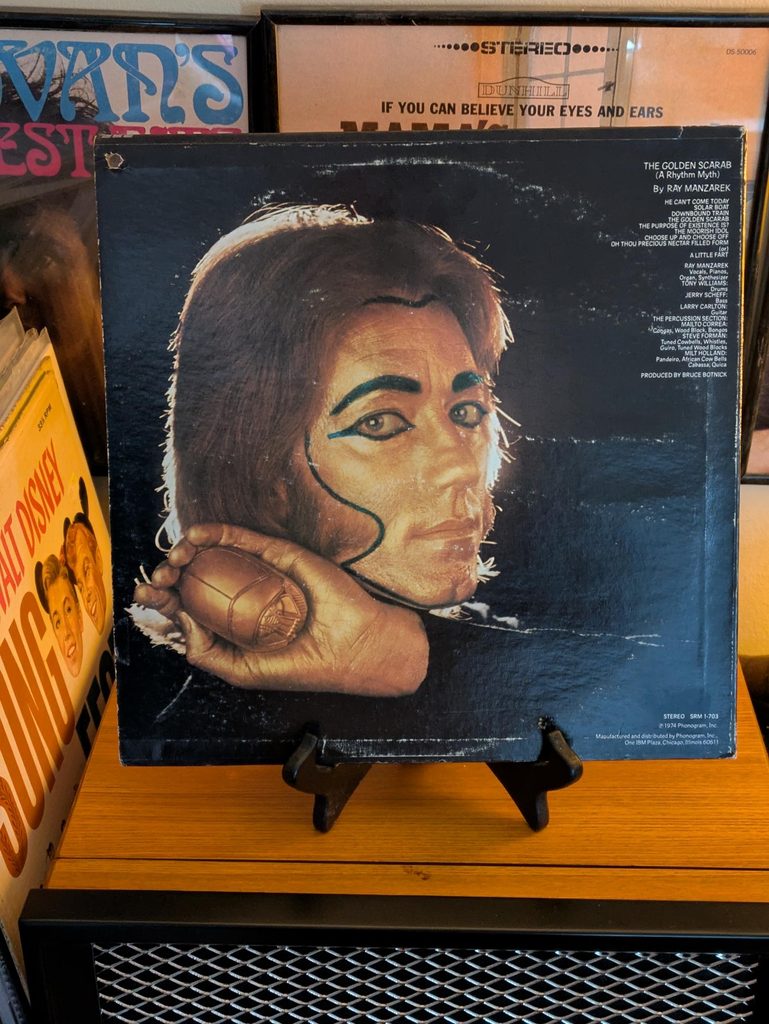
Finally, on March 28th, 1974, to great anticipation “The Golden Scarab” was released in record shops sporting an absolutely gorgeous cover featuring Ray Manzarek painted up as the Egyptian deity. Evoking a sense of mystical majesty, the image of Manzarek is striking, and I’d love to know more about who the art director for the cover was (unfortunately, at this writing, I can not find that information. If anybody knows who designed Manzarek’s makeup and/or shot the photo for “The Golden Scarab,” please drop me a note so I can give them their deserved credit). In my personal opinion, the cover photo is the best part of the entire package. The album’s contents would be another story.
As I stated before, the quality of the material on “The Golden Scarab” is up for debate. Immediately it garnished divided reviews, with some critics calling it a return to the classic era of The Doors, while other critics called it a pretentious mess. Still today that debate remains, and while the album does have its supporters amongst Doors fans and music hipsters, it is also recognized as being one of the worst albums of the era, and a misguided misstep in Ray Manzarek’s musical legacy.
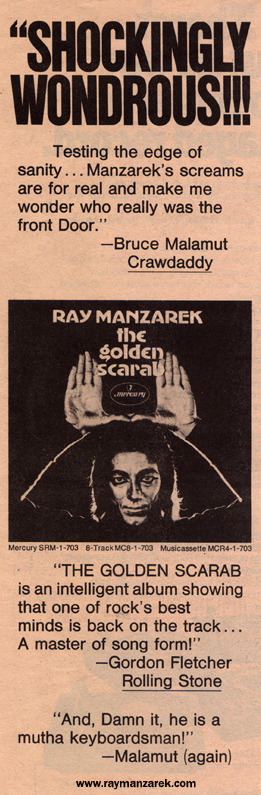
And as a fan of Ray Manzarek, I have to agree that “The Golden Scarab” is an embarrassingly awful album. I’ll be honest. I want to love it. I really do. I remember seeing the cover for the first time as a teenager and thinking to myself just how cool the album looked! Honestly, the ideas are there, and Manzarek still proves that he is a capable and creative musician. But where “The Golden Scarab” fails is in it’s lyrics. In his attempt to emulate Jim Morrison’s spiritual and philosophical spirit, Manzarek fails at creating anything original or provocative. Instead his lyrics prove to be a series of cliques with tons of philosophical and religious “name dropping.” While there are some truly inspired musical moments, such as in “Solar Boat” and “The Purpose of Existence Is?” the lyrical content on the album falls into obvious and often juvenile territory.
To delve into all of the many faults of “The Golden Scarab’s” would be a marathon in banality, but possibly the lowest point is in the album’s grand conclusion, “Oh Thou Precious Nectar Filled Form,” which reads more like terrible Dr. Seuss prose than the philosophical poetry of Morrison:
“Take it as it comes
Watch your T.V. Set
Smoke a cigarette
Give your mind a rest
Eat a good meal
Cop a little feel
Plant a small tree
Good god now you’re free
This is the one and only greatest life you’ll ever have
You gotta live it like you want to come back over and over again
‘Cuz it’s noon time
It’s a fine time
And it’s high time
You live your lifetime
Well it’s sunday
It’s a funday
Do it your way
And have a nice day.
You are the only one that’s gonna tell you what to do
You know everything and everyone, the moon, the sun was made by you
You’ll astral project someday
But darling for today
Enjoy what you made
Take a nap in the shade
Have a cold lemonade
Don’t ever be afraid
Go and see a good movie
Dance a boogie woogie
Take a walk in the part
Cut a little fart
Eat an ice cream cone
Play a slide trombone
Tap your feet and say ‘All reet’”
These lyrics are about as bad as it gets, but the rest of the album isn’t much better. In my opinion, Manzarek was trying so hard to emulate Jim Morrison that, in the end, his efforts became unauthentic and, as a result, became something far inferior than he had intended.
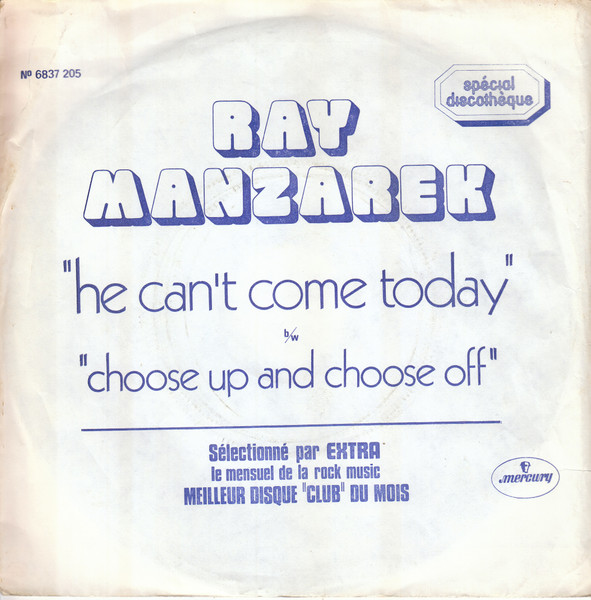
And it doesn’t seem that I am alone in believing this. Despite the anticipation amongst music insiders, the album completely undersold and didn’t manage to place on any Billboard chart. The album’s sole cover song, a heavily disguised version of Chuck Berry’s “Downbound Train,” was released as a single, backed with “Choose Up and Choose Off.” Honestly “Downbound Train” was a good choice to release as a single because, as a cover, it was void of the heavy-handed nonsense of Manzarek’s original material and is easily the best track on the album. But despite this it failed to do anything on the charts. The album’s opening track, “He Can’t Come Today” was sent out to radio stations as a second promotional single, but when it failed to gain any interest, it was not marketed to the public making it an incredible rare single to find.
As I said, “The Golden Scarab” has it’s fans, and my assessment of it’s failure shouldn’t deter you from exploring the album for yourself if you haven’t heard it. There are as many well written and intelligent reviews and essays praising the merits of the album as there are criticisms of it. It continues to be an album which people either love or hate.
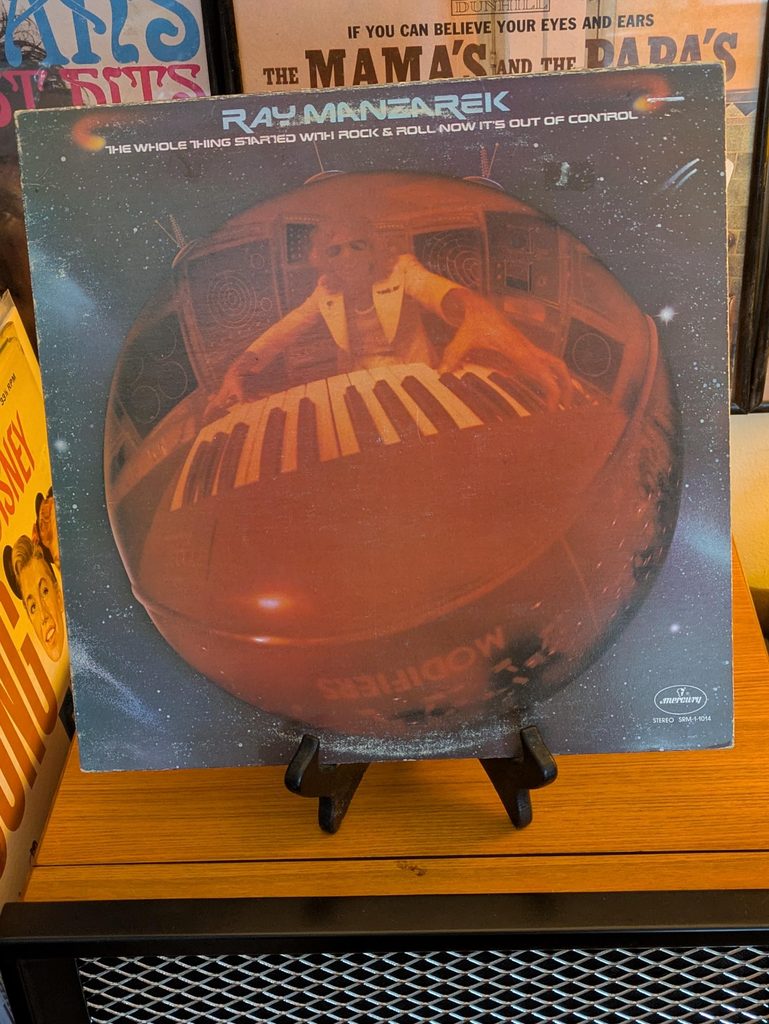
But despite “The Golden Scarab’s” lack of success, Manzarek seemed undeterred and upon returning from what was, in all accounts, a successful promotional tour, he went immediately back into the studio to prepare his second album for Mercury. That album, “The Whole Thing Started with Rock n Roll, Now It’s Out of Control,” would be released by the end of the year and, ironically, would actually achieve all of the thing that Manzarek sought to do with “The Golden Scarab,” but without the idiotic lyrics! Seriously. If you love Ray Manzarek like I do, this is the album you should be seeking out! With far more focus on the music, and less attempts at being philosophical or poetic, Manzarek managed to create an album that echoed the vibe and intensity of the original Doors albums that he desired, while at the same time managing to evolve into the present day by experimenting with synthesizers and electronical music for the first time! Now co-writing with Danny Sugarman as a creative partner, which possibly accounts for the more straight forward direction of the music, the album also featured guest apparencies by pals Patti Smith, Mark “Flo” Volman and Howard “Eddie” Kaylan. This time Manzarek let the music do the talking in excellent prog-rock inspired tracks such as “Whirling Dirvish,” “The Gambler,” and “I Wake Up Screaming.” Meanwhile, Doors fans got a real treat with “Bicentennial Blues (Love it or Leave It)” which is a true tribute to the music of The Doors, including the inclusion of the iconic “Light My Fire” introduction in the bridge of the song. Now the album does have some questionable eyebrow raising moments, such as in, “Perfumed Garden,“ which includes a recording of Manzarek and wife Dorothy engaging in, or possibly simulating, a sexual act under the music, ending in Manzarek having an orgasm as the album comes to an end. A true “wtf” moment, it seems to be a homage to The Doors’ “Five to One,” where it was rumored that Jim Morrison was having fellatio performed on him during the recording of that song. More provocative than sexy, it is an interesting way of closing out the album.
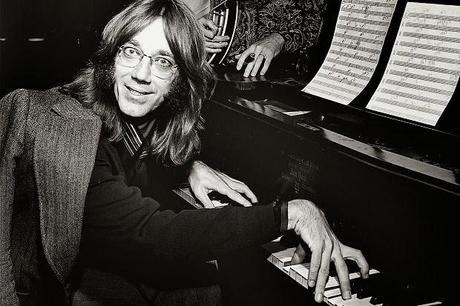
But overall, “The Whole Thing Began with Rock and Roll” is a far superior album than “The Golden Scarab,” and should have been what music fans were given first. Yet despite it’s strength, “The Whole Thing Began with Rock and Roll” ultimately failed to gain any presence on The Billboard charts. Perhaps it was because of the tongue twister of an album title, but I can’t help but wonder if it had been released first that perhaps Manzarek might have won the public over as a solo artist. Instead, he wouldn’t release another solo project until 1983 with his excellent rock inspired interpretation of Carl Orff’s “Carmina Burana,”
After completing his two album deal with Mercury, the label dropped Manzarek due to the disappointing sales of both of his albums, but this wouldn’t be the last that the world would hear from Ray Manzarek during the 1970’s. He would continue creating music, but he never seemed to succeed in truly moving past the memory of Jim Morrison. Morrison’s ghost would continue to loom over Ray Manzarek’s projects until he would finally be resurrected as a mythical rock n’ roll deity in his own right.


