
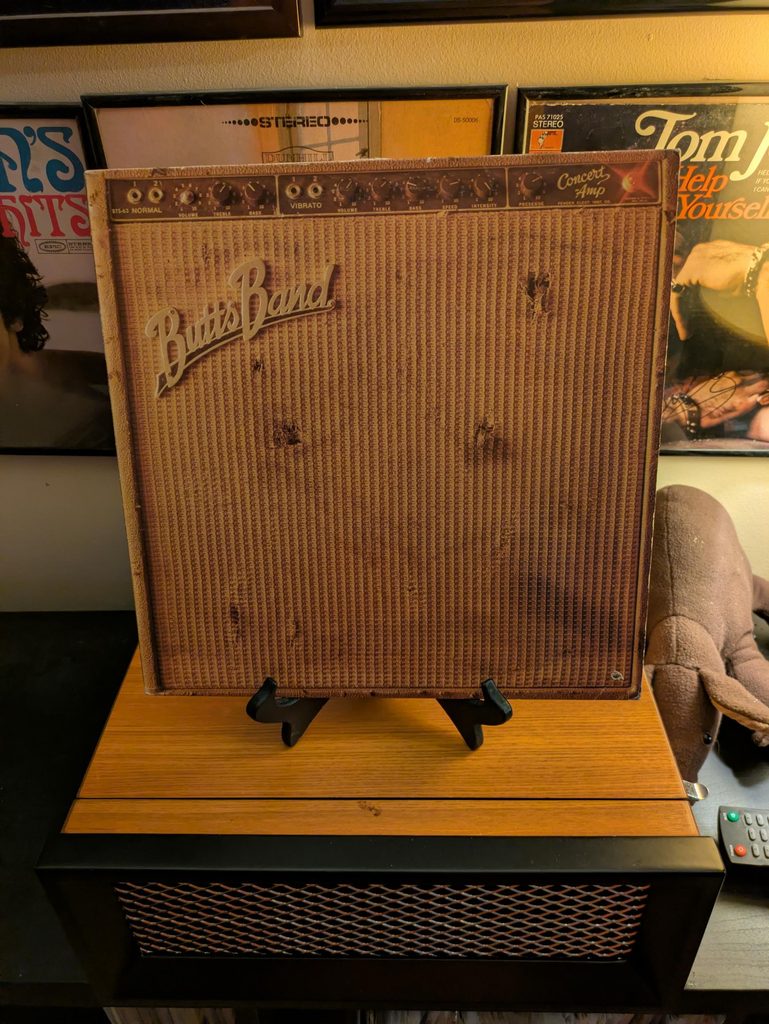
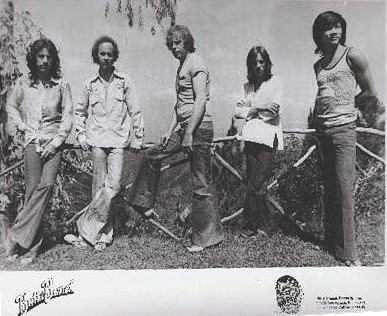
Whe The Doors ended is when The Butts began.
Despite their absolutely preposterous name, Robby Krieger and John Densmore’s post-Doors project, The Butts Band produced two of the best overlooked albums of the 1970’s. Precariously formed in the weeks following Ray Manzarek’s sudden departure from The Doors, The Butts Band proved to have an unstable roster of musical professionals, which resulted in the creation of two completely different sounding albums made by two completely different lineups, which made The Butts Ban more of a “pick up band” than an actual musical group. But as a result of new players and a wide range of influences, The Butts Band showed incredible diversity which allowed Krieger and Densmore to flex their creative muscles further than ever before, delving into soul, funk, blues and even reggae. Without the label of The Doors attached to their project, for a short moment in time Krieger and Densmore were able to crawl out from under the looming presence of Jim Morrison’s specter and create some extremely well produced original material which solidly captured the modern sound of mid-70’s radio. However, due to the band’s instability, as well as the former Doors’ desire to remove themselves from the chaos of the past, even at the time that they were releasing music The Butts Band went unnoticed and ignored, and still today are so overlooked that many Doors fans don’t even know that they ever existed. But if you haven’t ever heard The Butts Band, what you’re missing out on is arguably the best Doors-adjacent albums released in the Post-Doors era.
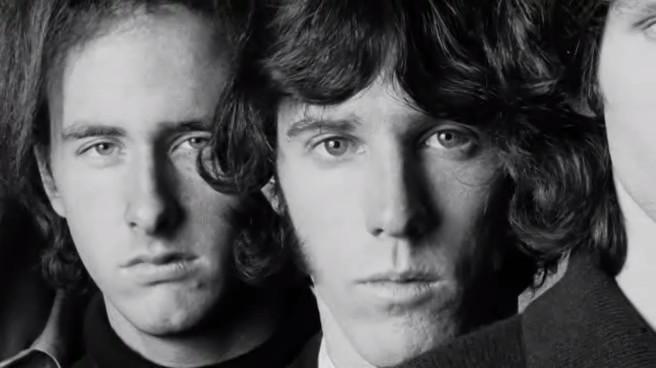
To casual music fans with only passing interest in The Doors, Robby Krieger and John Densmore are sometimes regarded as being the “George Harrison and Ringo Starr” of the band. Compared to Jim Morrison’s near omnipotent presence, and Ray Manzarek’s status as the group’s primary architect, Krieger and Densmore often seemed to fade into the background with their quieter personalities. However, their contributions to the music and the lore of The Doors are just as valuable as that of their more larger than life bandmates. While Jim Morrison was hailed as the band’s primary poet laurate who wrote many of The Doors’ most memorable and intense songs, it was Krieger, acting as the group’s secondary song writer, who wrote all of the group’s hits to go to the #1 spot on the Billboard charts, including “Light My Fire,” “Love Me Two Times,” “Hello, I Love You,” “Touch Me” and “Love Her Madly.” Writing material that was far more commercially accessible to audiences, Krieger wrote great musical hooks and had a unique guitar style which added bottleneck blues and classical flamenco to The Doors’ dark sound. Meanwhile, while not the most flamboyant or technical drummer of his era, John Densmore was masterful at creating unusual time signatures and percussion effects which added to the intensity of The Doors’ music. Highly intelligent and emotionally insightful, John Densmore was alos often described as being “the conscience” of The Doors.
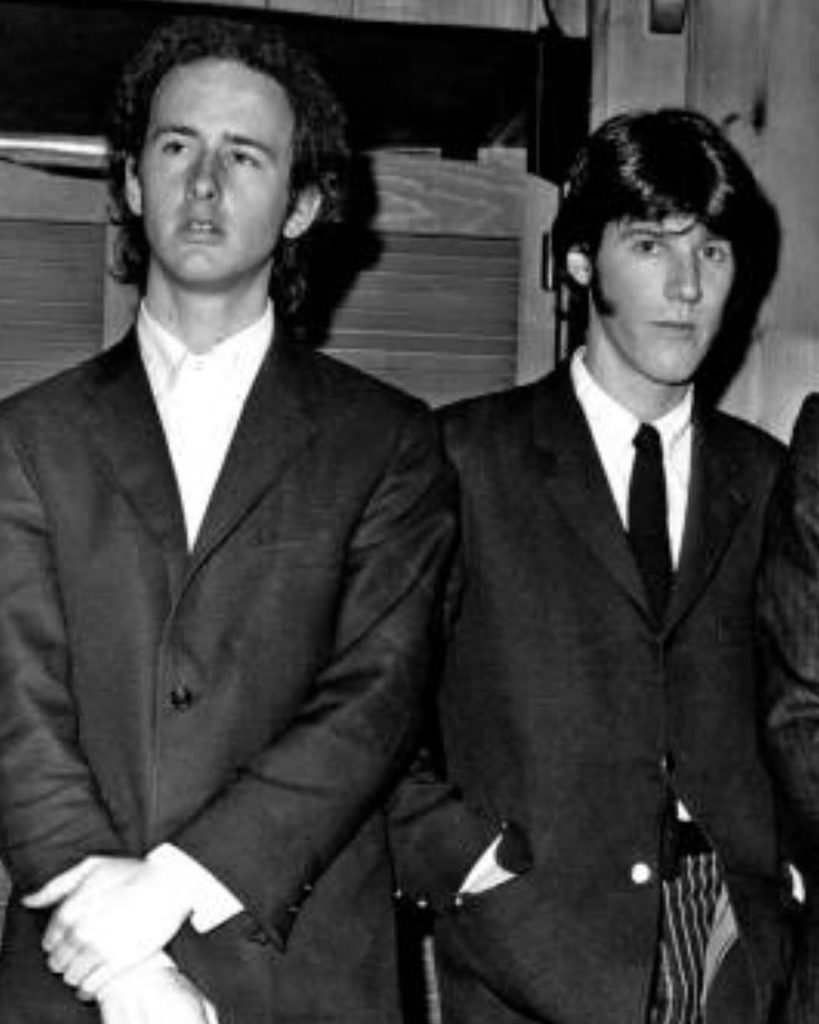
But the team of Krieger and Densmore went back much further than The Doors. The two initially met when they were teenagers attending Santa Monica Junior College in the early 1960’s. Densmore was a member of the school’s marching and jazz band, and Krieger was an unassuming quiet student learning classical guitar. Brought together by their mutual interest in music, the two met in music classes and continued a friendship after school in pick up jam sessions. After graduating, despite going to different colleges, the pair continued to play together, and at one point decided to attend a yoga class.
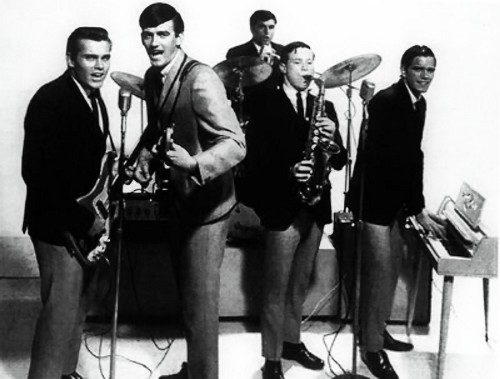
It was at this class which they met Ray Manzarek, who was looking for a drummer to join Rick and the Ravens – a garage band he was in with his brothers. Densmore joined The Ravens and began playing at frat parties and clubs around the Santa Monica area. But when Manzarek first brought Jim Morrison to the group to sit in as a lead vocalist, a split between Ray and his brothers took place with Rick and Jim Manzarek going off to do their own thing. Now in need of a new guitarist, Densmore suggested they bring in his pal Robby Krieger to see if he vibed with the dynamic new direction the group was going in. Although Manzarek was uncertain of Krieger at first, when Jim Morrison saw Robby finger pick a guitar it blew his mind. Densmore and Morrison championed Krieger to be the final addition to the group, and changing their name to The Doors, they quickly became one of the most important American rock outfits of the late 1960’s.
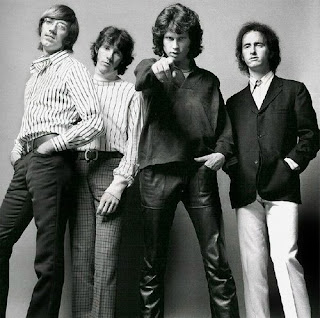
Throughout their time in The Doors, Robby Krieger and John Densmore often seemed to be paired together, and remained close, supporting each other through the good times as they rose to the top of the charts, and the darker times when they tried to survive unscathed in the wake of Morrison’s hedonistic madness. That bond only grew stronger in 1971 after Morrison was found dead in a Paris bathtub. With the future of The Doors in peril, The Doors did the unthinkable by working thorough their grief and recording a pair of albums without their enigmatic front man. But, in 1973, following the release of their final studio album “Full Circle,” the members of The Doors found themselves at a creative crossroads which would ultimately bring the band to an end.
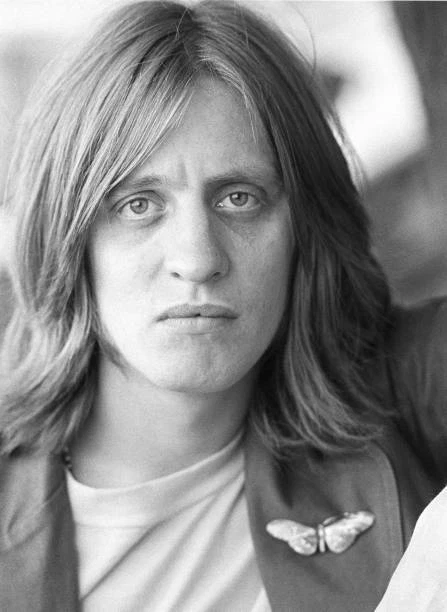
Finding a new lead singer to replace Jim Morrison’s place within The Doors had been an ongoing conversation since his death, but initially The Doors had decided to bypass bringing another singer into the group by having Manzarek and Krieger step up to the mic and take over as the band’s “other voices.” Bu despite being incredible musicians, as vocalists Manzarek and Krieger were substandard, and after the shaky reception of “Full Circle,” Elektra Records’ founder Ian Holzman insisted that if The Doors were going to continue, he wanted them to find a new singer. With The Doors’ post-Morrison music being only slightly more popular in Europe than in America, in early 1973 The Doors travelled to the UK to meet with some established rock vocalists as possible Morrison replacements. Holzman had scouted out a singer named Howard Werth, who had sung lead for a popular British group called Audience, who he wanted to be Morrison’s replacement in what he wanted to sell as being The “New” Doors. Werth jammed with The Doors for about a week, but then another singer named Jess Roden, who had recently quit singing lead vocals for a London based country-rock band called Bronco. With a powerful “British soul” vocal style in the vein of Van Morrison or The Walker Brothers, Roden was able to match the emotional intensity of Jim Morrison, but without the dark energy that was the signature to The Doors’ classic sound.
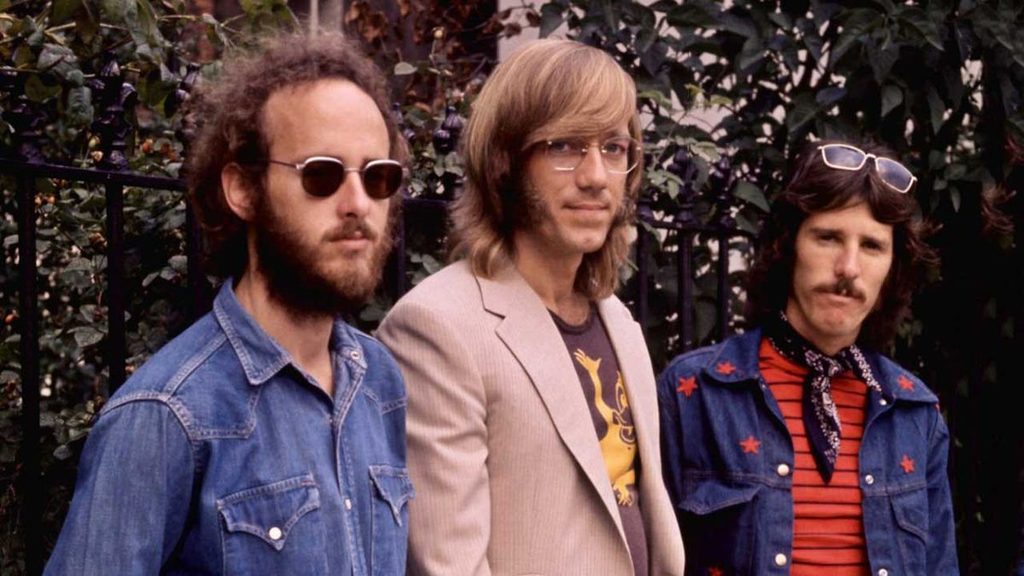
But during the audition process, Ray Manzarek started to have serious misgivings about The Doors’ future. According to reports, initial disagreements began with Manzarek on one side and Densmore and Krieger on another in their vision to the future of The Doors’ musical direction. Krieger and Densmore wanted to continue on the collaborative trajectory of “Full Circle,” which saw the addition of back up vocalists and guest musicians, and expansion into new territories and genres. Envisioning the future Doors as being a larger type of entity in the spirit of Chicago, Blood, Sweat and Tears or The Doobie Brothers, who were creating the modern 70’s pop sound, Krieger and Densmore sought to forge new partnerships which would ultimately bring them out from under Jim Morrison’s shadow.
Ray Manzarek, on the other hand, reportedly wanted to delve further into jazz music. However, what would eventually be obvious was Manzarek was having a far more difficult time dealing with the void left by Jim Morrison’s absence and was starting to see clearly that continuing The Doors without him was ultimately not working. Furthermore, Manzarek’s wife Dorothy, who always travelled with the band, was pregnant with the couple’s first child, and having a difficult pregnancy, wanted to go home to Los Angeles. Seeing the futility in continuing, Manzarek called it quits and he and Dorothy returned to the US, resulting in the official breakup of The Doors.
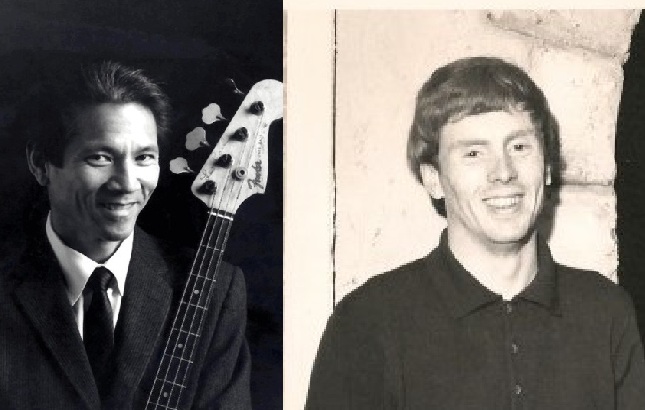
But although The Doors seemed forever closed, Krieger and Densmore continued to be a musical entity unto themselves and had a solid vision of a musical trajectory that they wanted to continue on. Still working with Jess Roden, who they had taken a liking to, Densmore and Krieger recruited another pair of regulars in the London music scene, keyboardist Roy Davies and bassist Phil Chen, to flesh out an all new band. With a number of Krieger originals already prepared, which were presumably meant to be future Doors songs, the group began practicing and quickly became an extremely tight group. What differentiated what Krieger and Densmore were doing musically compared to what Ray Manzarek would go on to do with his first solo album, “The Golden Scarab” was that they weren’t trying to chase past glories but instead wanted to focus on the joy of making music and collaboration.
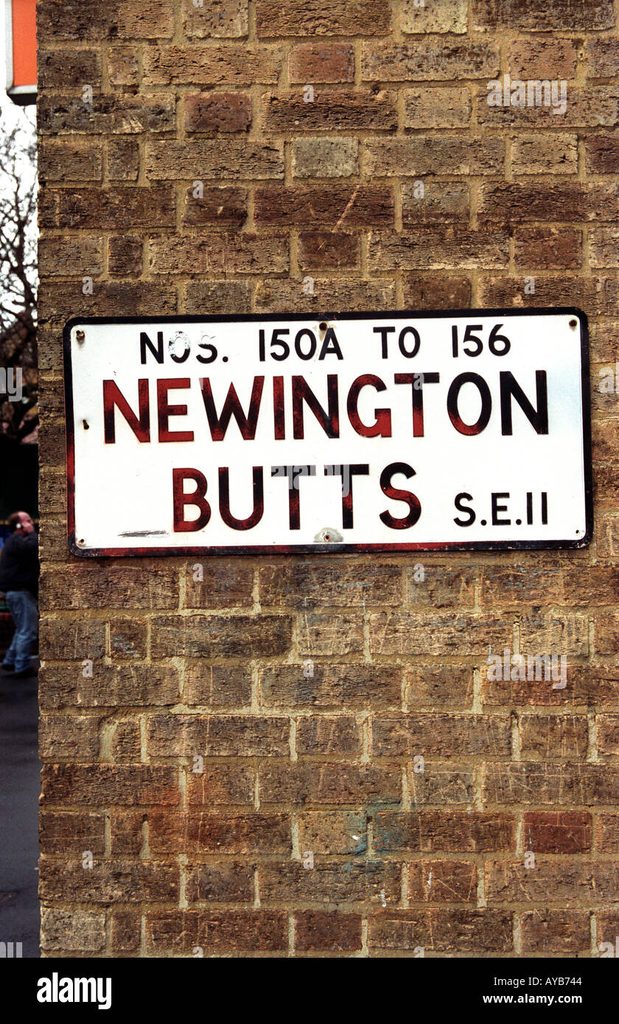
But if The Doors were done, the band needed a new name. Whle “The Krieger-Densmore Band” was considered as a potential name, the group went with The Butts Band. Apparently, Jess Roden had mentioned that his former band, Bronco, had used to go to a cavern called Butts Cave in Newington Butts, which was a hamlet in London, to play music and get high. Thinking that this was hilarious, someone had the idea to call the new group The Butts Band. Well, the name stuck. Ultimately it was an unfortunate name for a very good musical project, but hindsight is obviously 20/20. Obviously someone thought it was clever at the time, but personally I think it’s one of the worst possible band names that the group could have chosen.
Signing with a small independent record label called Blue Thumb Records, the group were prepared to go into the studio within weeks of their formation. However, they would bring in a trusted member of The Doors family with Bruce Botnick, who was the architect behind The Doors’ first seven albums, as the primary producer on the album.
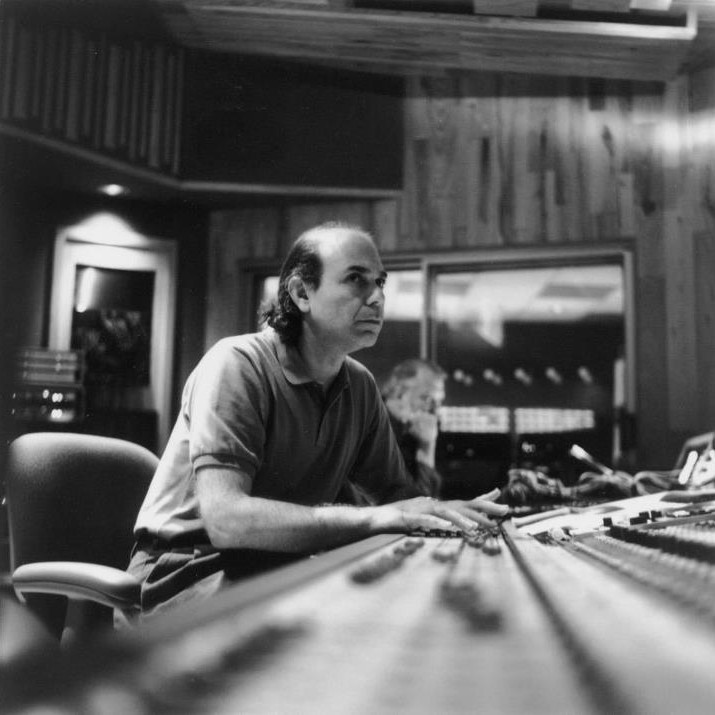
However, recording the album would prove to be highly unconventional. The group took over Olympic Studios in London for three weeks, recording a number of sold tracks. But, with the record hallway completed, the entire operation moved to Kingston, Jamaica to complete the album. Now working with producer Chris Blackwell, who was an associate of Jess Roden’s from his Bronco days, the group hung out with Jimmy Cliff and openly smoked grass and allowed the influence of the Jamaican sound come into the music they were creating.
Parting ways in Jamaica after another three weeks of recording, the members of The Butts Bands returned to their homes on separate continents but came back together after the album’s release in late 1973. In an attempt to promote the album, The Butts Band went out on a low-key promotional tour in both England and the US. However, while the UK members of The Butts Bands had initially imagined themselves playing in the type of concert halls that The Doors would have played, Densmore and Krieger wanted to keep things on a smaller scale insisting that they be booked into popular clubs and small venues. But Krieger and Densmore’s “small operation philosophy” didn’t stop The Butts Band from making appearances on two of the biggest musical showcases of the era and in early 1974 they were featured on America’s “Midnight Special,” and the UK’s “The Old Grey Whistle Test.”
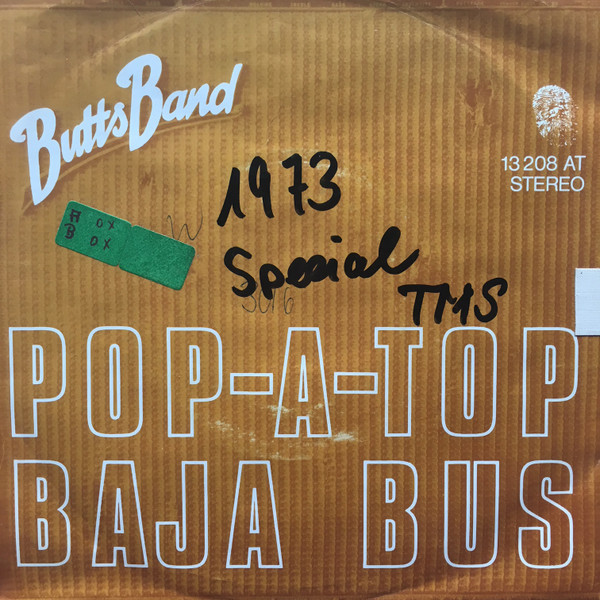
It was most likely the lack of marketing that possibly had a hand in limiting the success of The Butts Band. By working with a small independent label, literally no promotion was done for the group, and The Butts Band was barely covered in any of the major music trades. Meanwhile, the name of he band seemed to be such a farce that it was easily assumed that The Butts Band was some sort of juvenile comedy band instead of the well produced group of music professionals that they were. Singles for “Pop-a-Top” and “I Won’t Be Alone Anymore” where released, but they failed to get any airplay or enter the Billboard charts and, despite it’s quality, the debut album was essentially considered to be a flop. But, Krieger and Densmore seemed to be unphased by the lack of success of their album. Having already seen rock superstardom, their main goal seemed to prove that they could evolve past The Doors. If this was the case, then they had succeeded.
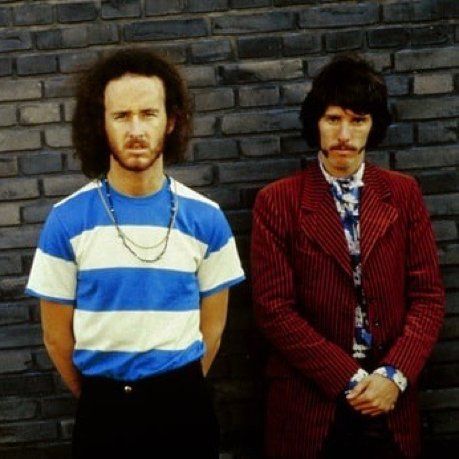
By the middle of 1974, Densmore and Krieger were once again ready to create more music, but with the rest of The Butts Band located in the UK, the thought of making another long return to England seemed daunting to the pair, and instead of continuing with the established players that they had worked with on their debut, they made the unorthodox decision to tear down the band and start all over again from scratch.
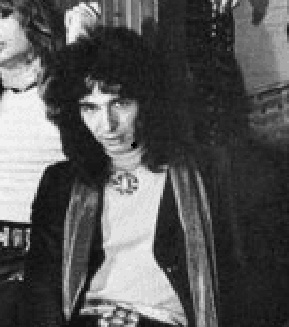
In the role of their new lead singer, Krieger and Densmore acquired another former musical acquaintance, and potential Jim Morrison replacement, Michael Stull. Originally coming out of the folk music movement of the early 60’s, Stull had played guitar and sang vocals in a folk-rock outfit called The Wackers which was managed by The Doors original manager Bill Siddons and often played as a supporting band at their concerts. According to some accounts, Bill Siddons had initially suggested that Stull replace Morrison days after his death, but when the members of The Doors, still grief stricken and shell shocked, refused to discuss replacements, Siddons promptly quit his role as their manager during the band’s darkest moment. Although none of this has ever been verified as more than popular gossip, now three years out from Morrison’s death, Stull would finally have his chance to provide vocals for Krieger and Densmore.
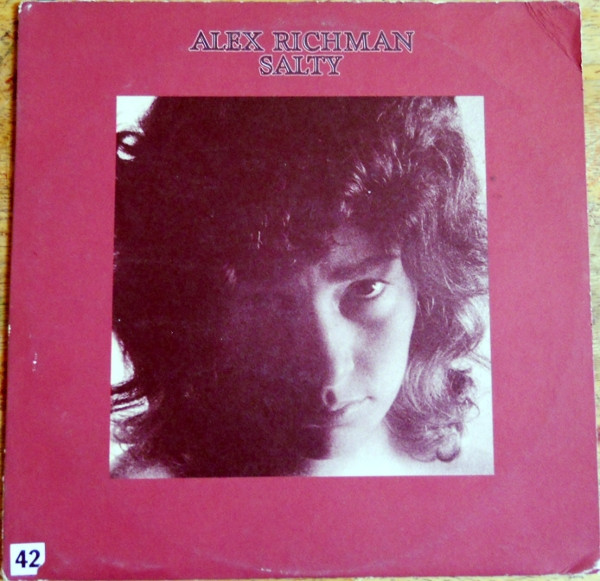
Another interesting addition to the new Butts Band was keyboardist and song writer Alex Richman. Having released her own solo album, “Salty,” in 1972 through Capitol Records, the struggling performer was still looking for a break in music. An incredible keyboardist with a dynamic vocal style which seemed to be a cross between Carol King and Aretha Franklin, Richman brought back the intricate keyboard sounds once provided by Ray Manzarek to the project, while adding a woman’s voice, which always seems strange in Doors-adjacent projects which traditionally were male dominant.
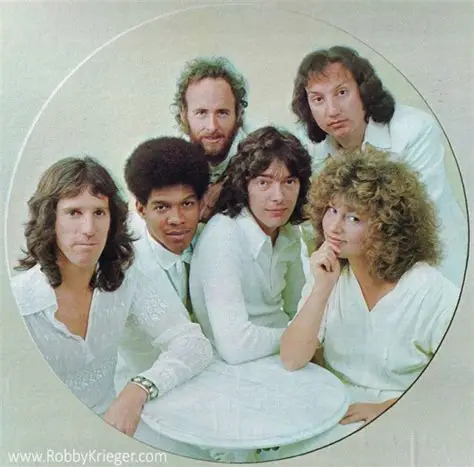
Krieger and Densmore completed the group by adding Karl Rucker on bass, Bobby Hall on congas and Mike Barkowitz on percussion. But making an interesting difference in the new version of The Butts Band was that this time Krieger was no longer responsible for writing all of the content on the album. Although the majority of the songs were supplied by him, Stull came with an original titled “White House,” while Richman brought to the group “Feelin’ So Bad” and “Everybody’s Fool” which she would provide lead vocals for. The new album would also feature a pair of inspired covers – Bob Marley’s reggae classic “Get Up, Stand Up,” and Rudy Clark’s country classic “If You Gotta Make a Fool of Somebody.”
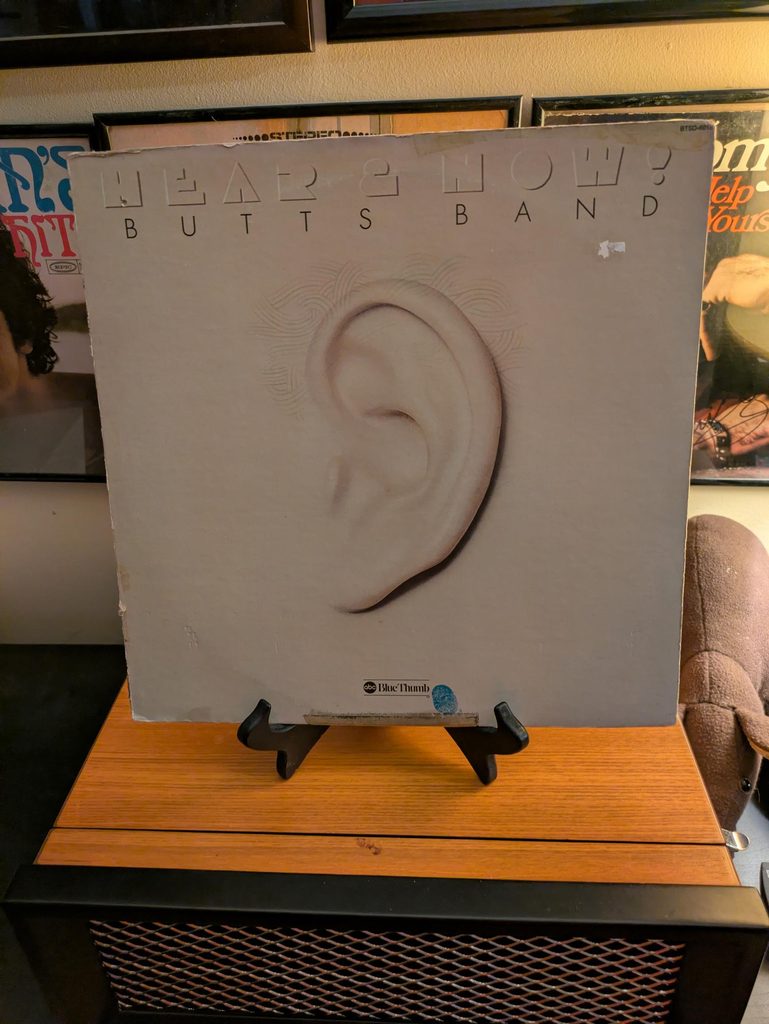
Working with seasoned musicians again, the formation of the second Butts Band came together quickly, and in the summer of 1974 the group was ready to go into the studio to record their second project, “Hear and Now.” With Bruce Botnick unavailable, production duties went to Jerry Fuller who had previously created hits for The Union Gap, OC Smith and Mark Lindsay. Although the group maintained the rock-blues vibe they produced in the first album, “Hear and Now” incorporated a new element of funk-soul to it, giving it a bit of a Philly Sound to the music.
“Hear and Now” was released in early 1975, but much like the previous album, it was under promoted and undersold. The group’s dynamic cover of “Get Up Stand Up” was chosen to be the single from the album, but it too went primarily ignored. Once again, The Butts Band failed to generate any hits and gain any attention on the musical landscape despite the fact that “Hear and Now” was just as strong as the first release and was really capturing what was going on in American music at that moment. Perhaps with stronger management and less of a passive DIY approach to promotion, not to mention a better band name that reflected Densmore and Krieger’s presence in the group, The Butts Band could have gotten the audience that they deserved.
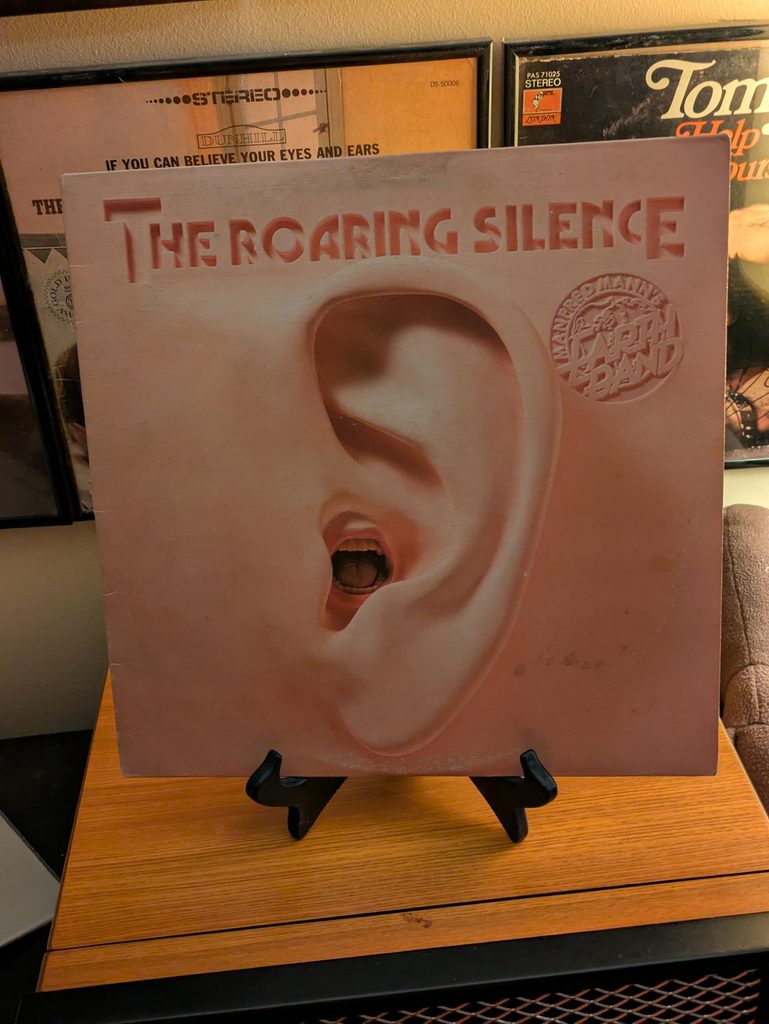
One of the more confounding things about “Hear and Now” though is the close resemblance the cover art had to Manfred Mann’s Earth Band’s 1976 album, “The Roaring Silence.” Released an entire year later, “The Roaring Silence” would be one of the best selling albums of the year, but the cover art to that and “Hear and Now” is almost exactly identical, which must have caused some confusion in record shops at the time. I can almost imagined a casual record buyer not paying attention and putting “Hear and Now” on their turn table expecting to hear “Blinded by the Light,” but instead getting an album featuring nothing they’d ever heard on the radio.
The reformed Butts Bands proved to be even more short lived than the first incarnation. The new Butts Band ironically travelled to the UK for a very limited tour, but by April of 1975 the group had also parted ways, and no known live footage of the group seems to exist. According to a 2025 article in Louder Magazine,, Robby Krieger said that the decision to end The Butts Band had a lot to do with the sale of Blue Thumb Records to ABC Records and, not being considered a major asset due to their lack of record sales, The Butts Band was essentially “lost in the shuffle.” But, in the same article, Krieger summed up the value, and ultimate legacy of The Butts Band, by stating ‘it was our first lesson in trying to escape the shadows of the past.”
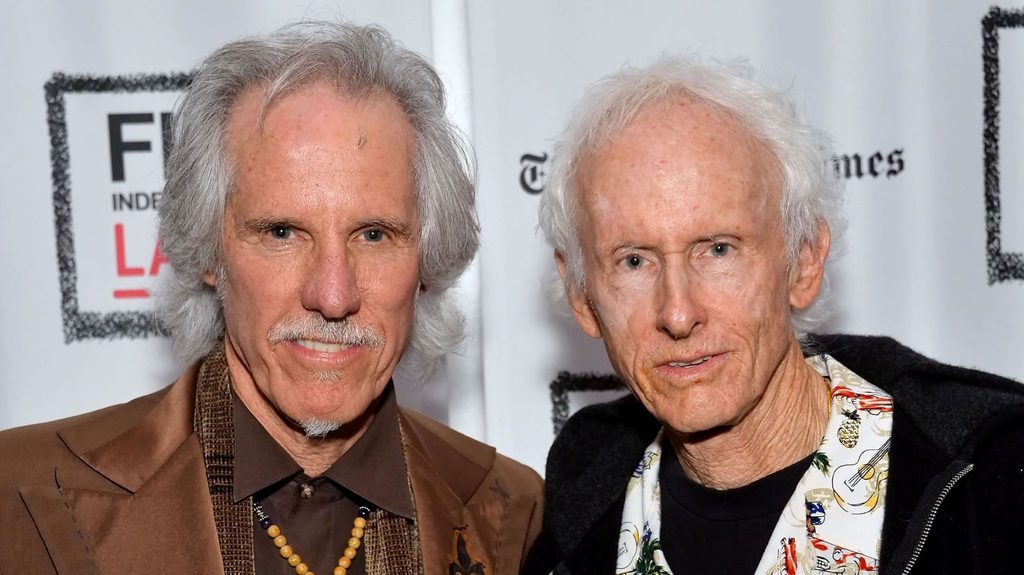
At this writing Robby Krieger and John Densmore are the last two surviving members of The Doors, and while it’s been years since they’ve created music together, they continue to make appearances with one another and do joint interviews about their experience within The Doors. Every once in a while a checked in music journalist will ask about The Butts Band, and the pair will speak favorably about the project, but little time or details seem to be spent on their first Post-Doors group. Although The Butts Band’s albums don’t seem to be staples of record stores and flea markets, I’ve occasionally seen them pop up here and there, but with otherwise undynamic cover art they can easily go unnoticed, especially by collectors who don’t know what they are. But if you do see a Butts Band album, I encourage you to grab it because they contain some extremely good music that should be listened to and rediscovered, especially by fans of The Doors who have a love and understanding of Krieger and Densmore’s distinct sound. The Butts Band never flourished to it’s full potential, but that doesn’t reflect on the quality of the albums. While I think The Butts Band had a terrible band name, they created some incredible music despite their shifting line-ups and short time together. But, as The Doors continued to climb to an eventual legendary status within music histrion, Robby Krieger and John Densmore would prove to have a far bigger musical legacy to focus on, and much higher profile projects to be a part of before the 1970’s were through.


