
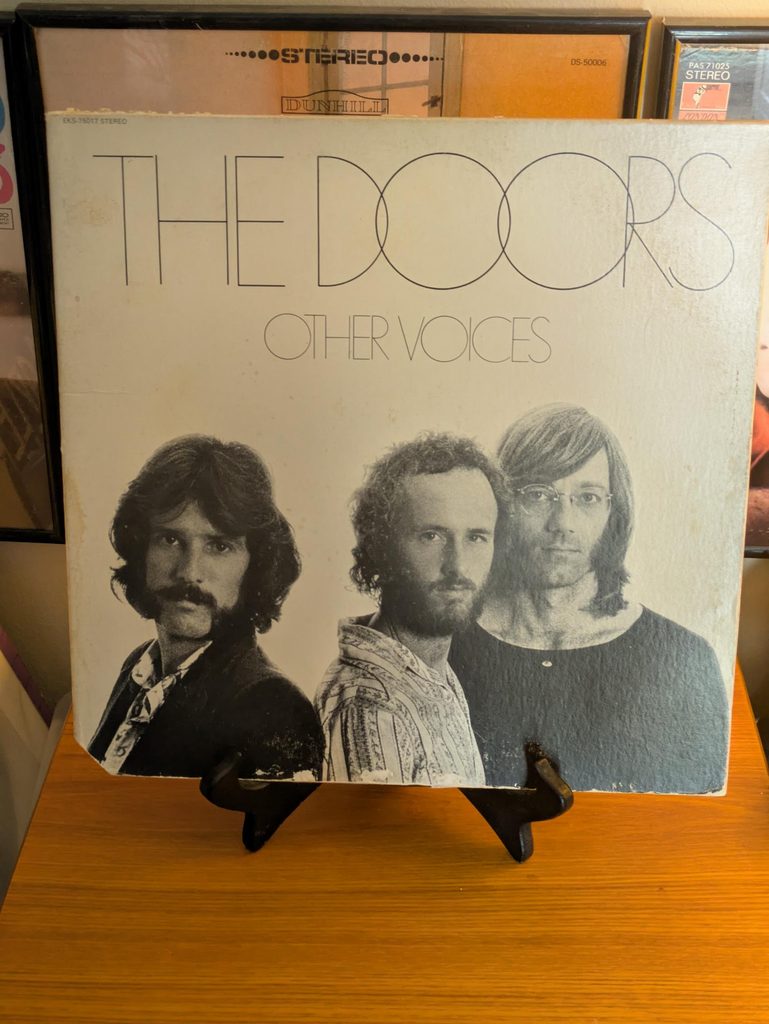
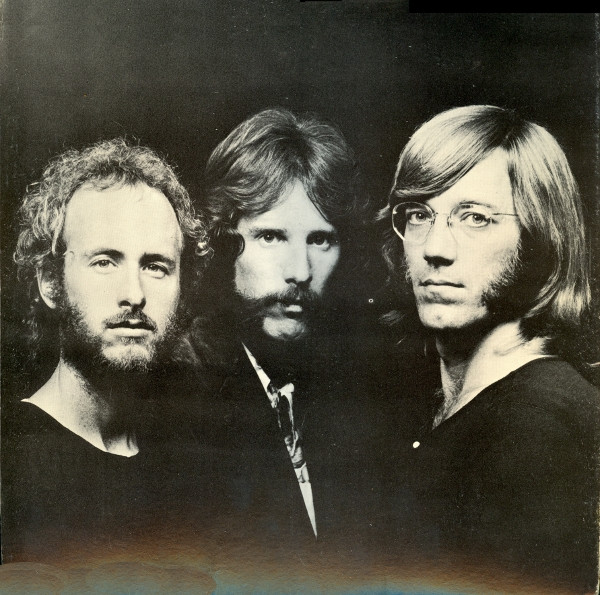
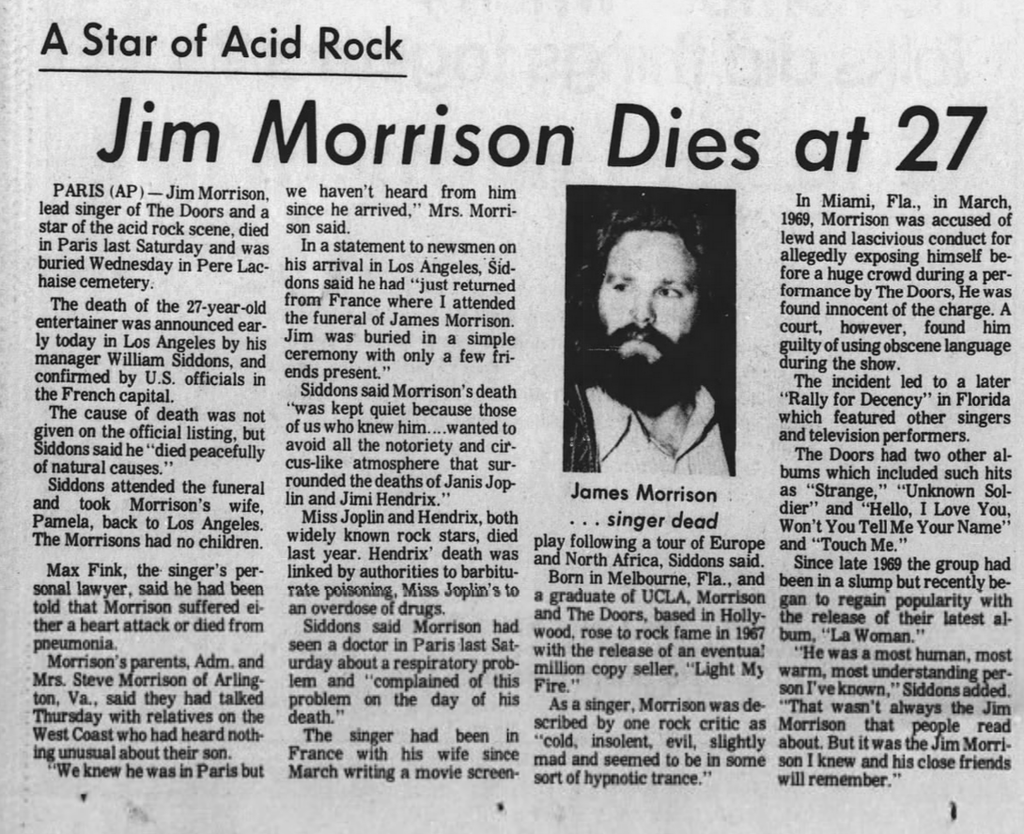
On July 9th, 1971, the front page of The New York Post announced “3rd Rock Star, Jim Morrison, Dead at 27.” Less than a year after the deaths of contemporaries Jimi Hendrix and Janis Joplin, who were both the same age of The Doors enigmatic frontman, these sorts of headlines were beginning to seem commonplace in the news but still remained shocking to the public. As the free loving 60’s transformed into the decadent 70’s, hedonistic excess was beginning to kill our rock n’ roll stars, only to immortalize them in our memories as being forever young and cool. But unlike Jimi and Janis, Jim Morrison’s death didn’t necessarily mean the end of a musical legacy. Jim Morrison was not a solo artist. He was a Door, and there were still three Doors – Ray Manzarek, Robby Krieger and John Densmore – left behind to pick up the shattered remnants of their band following Morrison’s death. With those broken pieces the remaining Doors stepped out of the background and up to the mic to create their most misunderstood album, “Other Voices.”
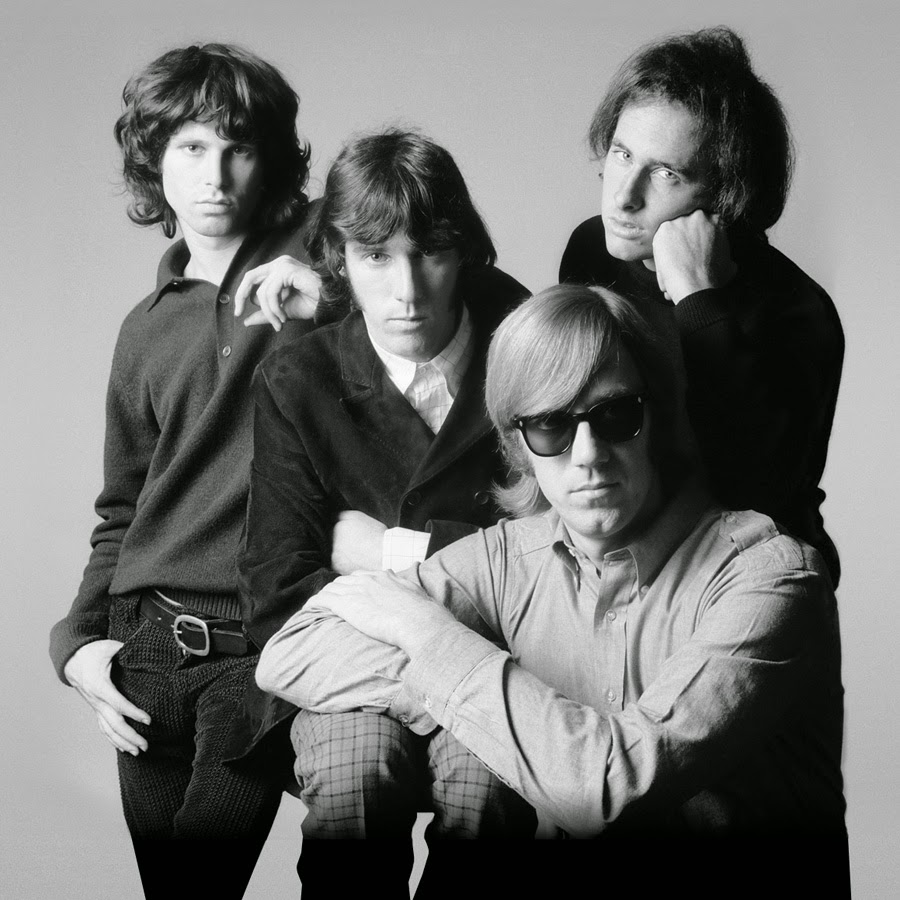
When I first discovered The Doors as a teenager during the early 1990’s, “Other Voices” seemed to be a thing out of rumours and myths. During an era when The Doors was finding a newfound popularity amongst disenchanted teenagers, primarily fueled by the anticipation for the release of Oliver Stones’ upcoming feature film starring Val Kilmer, a new narrative of a more mythological Jim Morrison was being created and in that new version The Doors ended with 1971’s “LA Woman.” Without the internet to look up entire discographies online or stream albums immediately, information on your favorite bands often was shared organically, and if a record company’s marketing department wanted a “deep cut” to go away, it could be easily buried. In the case of “Other Voices,” it seemed that the entire music community, including The Doors themselves, wanted to forget that “Other Voices” had ever been recorded. So, when someone my mother knew, who had been an OG Doors fan since their arrival on the music scene in ’67, told me that The Doors had released two albums without Jim Morrison after he died, my sixteen-year-old mind was just blown! How can The Doors be The Doors without Jim Morrison? That didn’t make any sense to me! Was this guy full of shit, or had he been smoking too many drugs? Goodness knows I had never seen a copy of “Other Voices” at any record shop I’d ever gone to, and these post-Morrison albums weren’t even mentioned in Jerry Hopkins and Danny Sugarman’s book “No One Here Gets Out Alive” or John Densmore’s excellent biography “Riders on the Storm.” Well, the rumor was true. Post-Jim Morrison Doors albums did exist, but it would take me a few years to finally get a copy of “Other Voices” for my own collection. In fact, my copy was the first thing I ever purchased from eBay, back when shopping from eBay didn’t include outrageous shipping prices and fees. When it arrived to me it seemed like I had found a holy grail, but once I put it on my turntable I was…. well…. underwhelmed. It’s not that the album was terrible. It’s not that bad at all. It was just, well, a little too different. It all started to make sense why the world didn’t know about “Other Voices.” It wasn’t that it was bad. It was just forgettable. Although I have had plenty of opportunities to buy “Other Voices” since then (ultimately it was never as rare of an album as I initially believed), the album remains to be an oddity that still gets disregarded and ignored by music fans to this day.
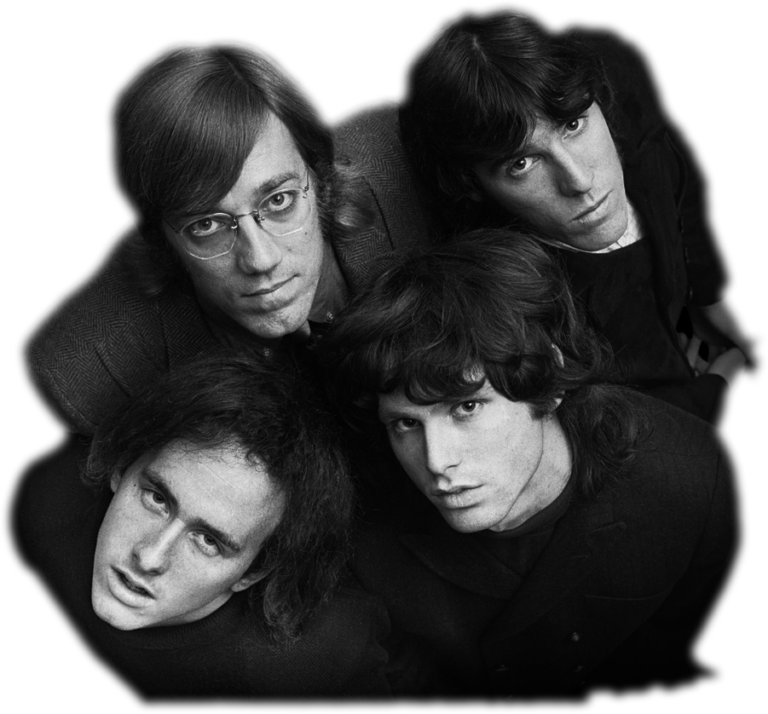
As someone who has been listening to The Doors for over thirty years, one thing that has always annoyed me about casual fans is how they’ve allowed Jim Morrison to be pushed to the center of The Doors, while Ray Manzarek, Robby Krieger and John Densmore are often dismissed into the role of back up players to Morrison’s “genius.” In my heart and mind, The Doors has always been about all four of the guys, and since first hearing them I have been a huge fan of the band as a cohesive entity. To this day I refuse to own anything that has just a photo of Jim Morrison labeled “The Doors,” and have only owned collectibles with all four of the band members pictured. The Doors were not a band who were formed around the talents of the front man, but a group that ultimately relied on the individual creative contributions that each of the players brought to the table.
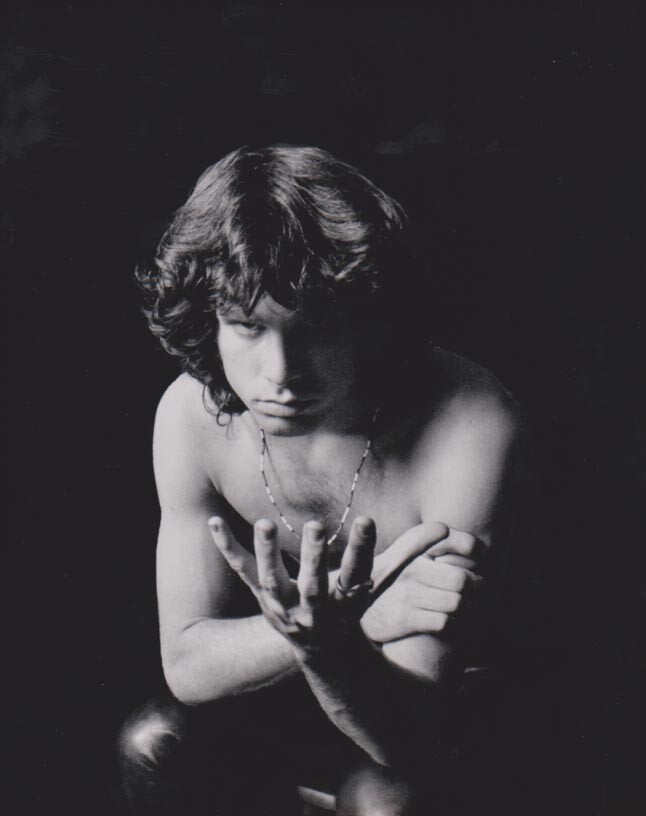
Of course, the face of the group always has been, and ultimately always will be, Jim Morrison. With his spooky baritone vocals, his ritualistic stage performances and moody public persona, he was the living embodiment of Dionysus. Lean, intense and unpredictable, he was the Lizard King, and he could do anything.. Considering himself to be primarily a poet, Morrison did write many of The Doors’ most memorable and powerful songs. But while he had one of the best voices in the industry, unlike the majority of his contemporaries Jim Morrison was not musically gifted and could not adequality play an instrument nor compose music. For that, he relied on the talents of his bandmates, and he ultimately respected them for their ability to create the music to go along with his words. Despite many offers to go solo, Jim Morrison never allowed his ego to get so out of hand to believe that he could do it on his own and he would even become angry when the group would be referred to as “Jim Morrison and The Doors.” In concert Jim Morrison would often drop to his knees in front of Krieger, just to watch his finger work on the guitar, and many photographs exist of Morrison leaning over Manzarek and Densmore, intensely watching them playing their instruments. Morrison knew he wasn’t a musician, but he valued the talents of the band he was a part of.
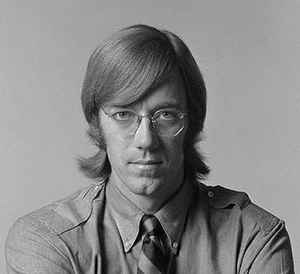
But if Jim Morrison was the face, it was Ray Manzarek who was the heart and brains behind The Doors. The de facto leader of the band, Manzarek had initially formed the group with his two brothers around 1965, and their blues orientated garage band would undergo a number of personal changes before it settled into the band that the world would come to know as The Doors. An excellent keyboardist who explored various different styles of music, including jazz, boogie woogie and blues, Manzarek also had a mind for the music business, and throughout the entire Doors saga he continued to call the shots in regard to the group.
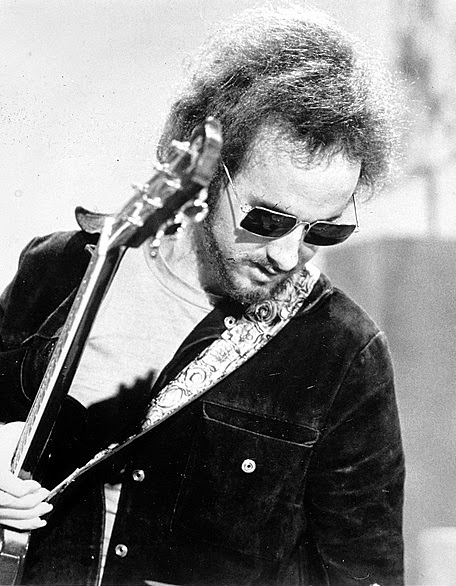
Meanwhile, guitarist Robby Krieger, although being the quietest and most unassuming of the quartet, proved himself to be arguably a more proficient songwriter than even Jim Morrison. As the secondary composer within the band, all of The Doors’ songs to hit the #1 spot on the Billboard charts, including “Light My Fire,” “Hello, I Love You,” “Love Me Two Times,” “Touch Me” and “Love Her Madly” were all written by Krieger. Although his songs were not as poetic or as intense as Jim Morrison’s compositions, Robby knew how to write a great hook and was a gifted guitarist.
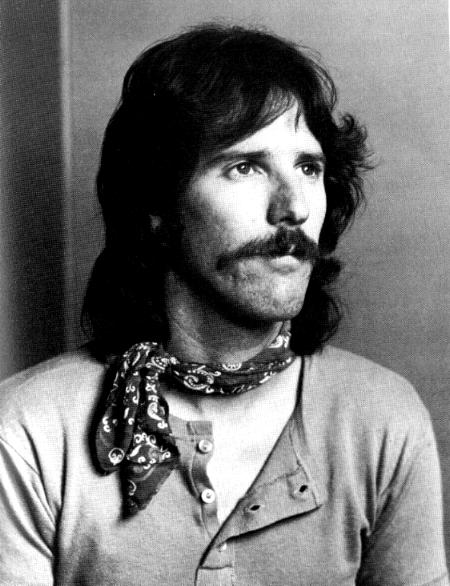
Now John Densmore often gets overlooked as one of the iconic drummers from the 60’s, but he proved himself to be one of the most creative drummers in classic rock. Albeit not as flamboyant as Keith Moon, or as technical as John Bonham, Densmore would incorporate African and Latin American drumbeats into The Doors’ unique dark sound, as well as create strange and unworldly percussion effects and unusual time signatures that would enhance Morrison’s dark poetry. Together Manzarek, Krieger and Densmore were in charge of creating all the music for the songs that Jim Morrison would sing, with each member of The Doors bringing an important element to the studio and, in the process, creating some truly provocative music that is still exciting to listen to over fifty years later.
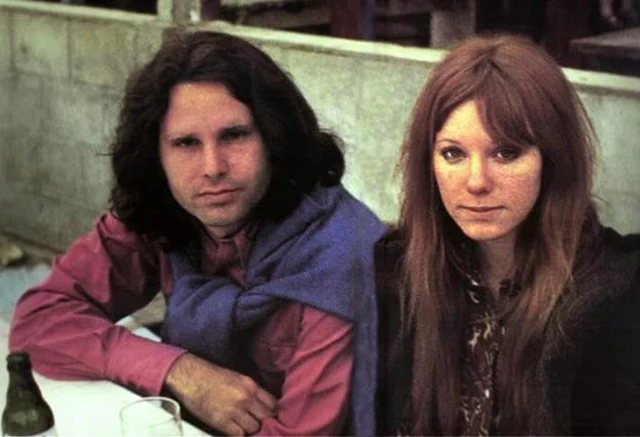
On March 11, 1971, Jim Morrison, alongside his on-gain/off-again girlfriend Pam Courlson, left the United States for Paris. Having just wrapped up the final recording sessions for “LA Woman,” Morrison expressed a need to get away from everything and took what was being called a “hiatus” from the band. The last year had been a rough one for Morrison, filled with increased alcohol and drug abuse and legal troubles. Gaining a tremendous amount of weight and growing a massive mountain man beard, Morrison had grown physically unhealthy while becoming more erratic and unpredictable, primarily as a result of his dependency on alcohol, The Doors had even ceased playing live shows after the fallout from a disastrous concert in Miami which saw Morrison arrested for “lewd behavior” which led to a conviction for “exposing himself” to the audience. Still out on bail, friends and colleagues of Morrison hoped that the Paris retreat would give Morrison a chance to sober up and refocus his creative energy via the backdrop of “the city of lights.”
Prior to leaving for Paris, Morrison began planning a solo poetry album, and he had done a pair of spoken word sessions with recording engineer John Haeney, which would eventually become the primary sources used to create 1978’s “An American Prayer.” The knowledge of his intentions to do a spoken word project, alongside his “open ended” departure for Paris created rumors that Jim Morrison had permanently quit The Doors. Yet despite Morrison’s absence from the group, Manzarek, Krieger and Densmore were still playing together and writing new material that they intended to be eventually sung by him, and they were expecting Morrison to eventually return so he could bring his all-important energy to the new songs.
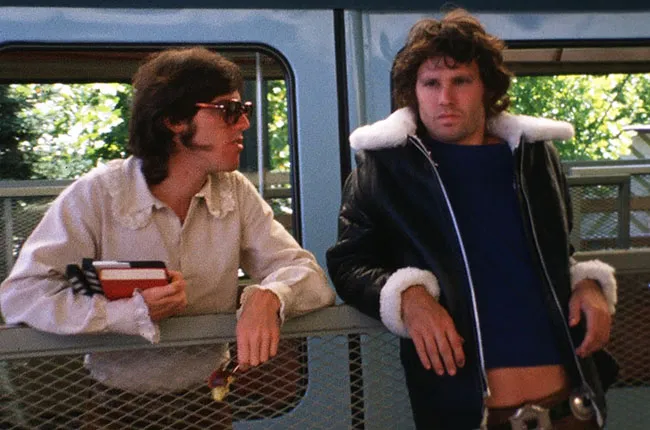
Sometime following the release of “LA Woman,” Morrison had surprised John Densmore with a phone call, asking him how the album was doing. Densmore informed him that “Love Her Madly” was a huge hit, and they had decided to release “Unknown Solider” as the follow up single. Pleased with the news, Morrison told Densmore that he intended to eventually return to the US so they could work on the next album, but it never happened. This would be the last time anybody in The Doors ever spoke to him. Jim Morrison was found dead in his bathtub weeks later from an apparent heart attack.
As anyone who has lost a close friend can tell you, grief is really hard and the aftermath of that kind of loss truly are “strange days,” filled with unpredictable emotions. The void left by losing someone close to you, especially in a sudden fashion, is incredibly difficult to fill. While Jim Morrison may have been our rock icon, we need to remember that he was more than just The Doors’ band mate, but he was also their friend. Since 1967 Morrison, Manzarek, Krieger and Densmore had been on an amazing, and often bizarre rock and roll journey that very few people could ever experience. The death of Jim Morrison had The Doors come to a difficult crossroad in which they had to decide where to go from here. Did it mean that it was the death of The Doors too? In a 2021 interview with Sterogum, Robby Krieger gave some insight of what The Doors were feeling at this difficult moment in time:
“The three of us were practicing all the time, writing new stuff. When Jim passed, we said, ‘Jeez, what’re we going to do?’ We could just give it up, or, you know, we have all these songs. Let’s go in and record and see what happens.’”
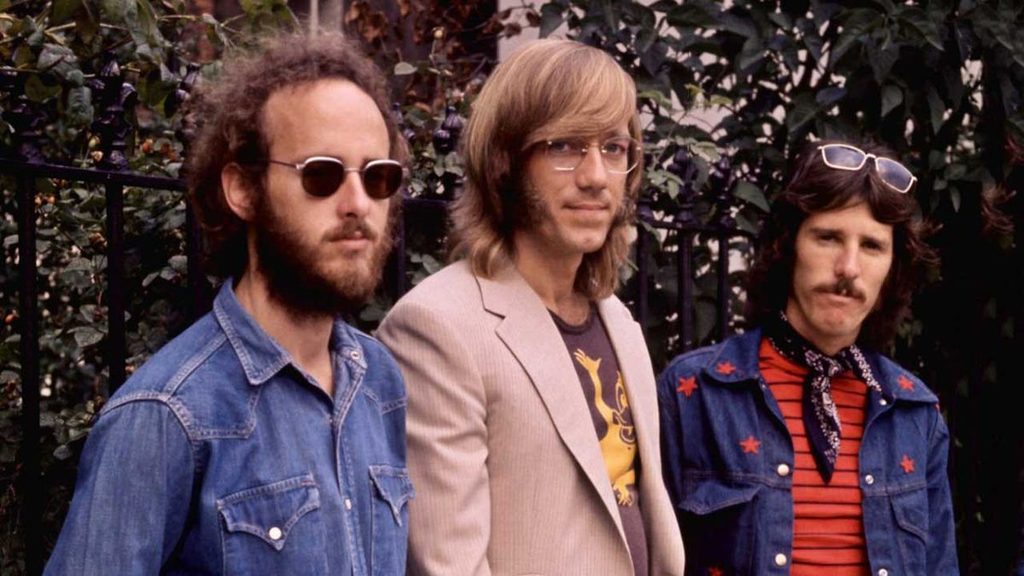
Having already been working up and recording material prior to Morrison’s death, The Doors were already well into the creation process which allowed them to begin work on “Other Voices” almost immediately, and as a result the turn around between “LA Woman” and “Other Voices” seemed unnaturally fast. The final recoding sessions for “LA Woman” were in January 1971, and the album was released in April 1971. Jim Morrison died July 3rd, 1971, and “Other Voices” was recorded and released by October 1971. That is a lot for one band to go through in only ten months, and while we will probably never know what the entire emotional state of The Doors was during the “Other Voices” sessions, we can assume that it was a deeply emotional time for the band as they contemplated their future. Perhaps all they knew what to do at that moment was continue making the music.
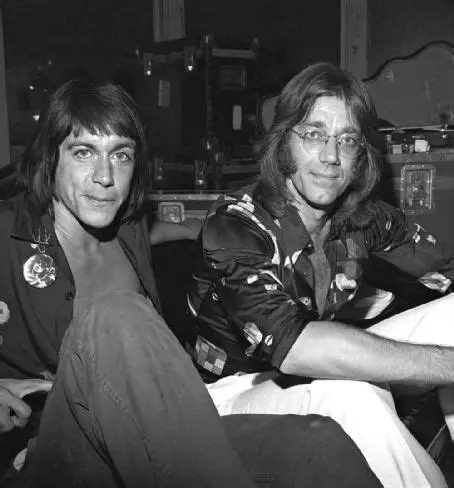
Initially The Doors played with the idea of finding a new singer to replace Morrison (a story that Iggy Pop was at one point considered has become a popular part of Doors lore), but in the end the bold decision was made that Manzarek and Krieger would step up as the new vocalists for The Doors. Unfortunately, this would be “Other Voices” ultimate undoing. It’s not that Manzarek and Krieger had poor singing voices. It’s just that they were too different from Morrison’s. Shockingly different from what fans remembered. Robby Krieger had a nasally Dylanesque singing voice, and while Ray Manzarek was a deep baritone himself, he lacked the smoky mysterious tone which made Jim Morrison’s delivery so compelling. Although Manzarek and Krieger were tremendous musicians, and while their hearts were probably in the right place, they would never be able to recreate the magic that Jim Morrison could have brought to those songs.
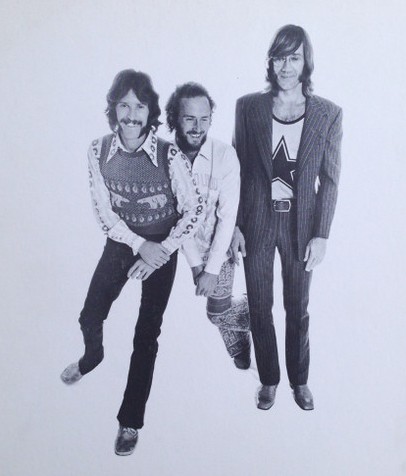
And it was those “other voices” that prevents the album from sounding like a Doors album. The truth is, when doing a deep listen to “Other Voices” in conjunction with “LA Woman,” an organic throughline between the tone of the two albums clearly can be heard, and The Doors truly seemed to be building on what they had come before. Still continuing on the rock-blues vibe of “LA Woman,” for the most part the songs on “Other Voices” are continuing along the same trajectory that The Doors were going in. In fact, it is not difficult to imagine Jim Morrison’s voice over most of the songs which creates a dramatic “what if” scenario. If Jim Morrison had lived to sing the songs on “Other Voices,” would any of them found their way into the popular soundscape? Could Jim Morrison’s energy have made any of those songs another Doors classic? Unfortunately we can never know.
But don’t let this observation deter you from believing that the tracks on “Other Voices” are awful. For the most part, they are actually pretty good. Maybe not memorable, but The Doors continued proving themselves to be expert musicians, especially when they allowed themselves to go into their signature solos and instrumental soundscapes. Tracks such as “Eye of the Sun,” “” Ships w/ Sails” and “Tightrope Ride” manage to hold up as being decent Doors numbers and are solid deep cuts.
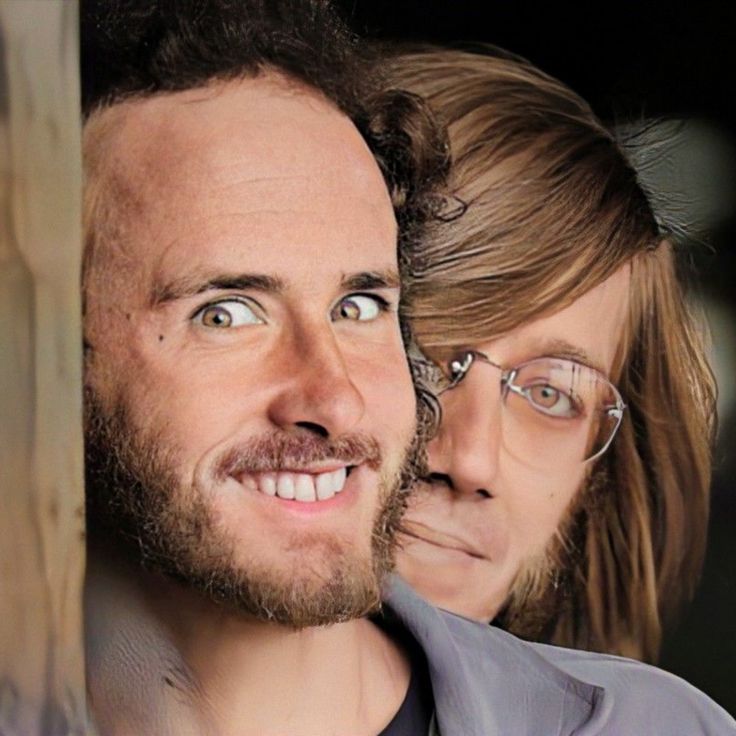
One of the more intriguing numbers on “Other Voices” is “Down on the Farm,” which was initially intended to be on “LA Woman,” but was cut from the album because Jim Morrison didn’t like the song. A bit of a disjointed number that shifts from soulful pop to blues-country and back again, it’s an interesting composition that, if Jim had taken it on, could have been a final Doors classic. In regard to “Other Voices,” “Down on the Farm” was probably the only song on the album that Jim Morrison ever actually heard.
While most of the tracks seemed to be void of any sort of hint of The Doors’ recent upheaval, the album ends on two tracks that seemed to be a reflection upon the band’s current state at that time. “Wandering Musician,” a song about one man’s rebellious nature who wouldn’t change to the society’s norms, is emotionally performed by Manzarek with backing vocals from Krieger and Densmore. Written by Krieger, although it isn’t indicated anywhere on the album that it’s about Morrison, the lyrics and sentiments within the song seems to make it a fitting tribute by three men who never got to say goodbye to their departed friend:
“Please don’t tell me what to do
Because even if I wanted to
I couldn’t throw my life away
By listenening to what you say
I’m telling you, isn’t nothing you can do to change my way
Hey, hey, hey
Isn’t no way going to make me think like you do
No matter if the sun or the stars say I’m wrong
It’s just a song of the lonely wandering musician
I’m telling you, ain’t nothing you can do to change my way
No, no, no, no, no
Ain’t no way going to make me think like you do
It’s just a song of a lonely wandering musician
I’m telling you, ain’t nothing you can do to change my way
Hey, hey, hey
Ain’t no way…”
But the emotion of “Wandering Musician” gets cut by the final track, “Hang On to Your Life,” which is an up-tempo number not about death, but a celebration of life and living. Fusing together Latin drums, urban funk and the psychedelic sound that first made them famous, “Hold On To Your Life” uses mixed metaphors of light and darkness to create a rare moment of optimism from a band that spent a lot of time wallowing in darkness:
“Sweet bird of prey, you gone below
All soft and black, it’s time to grow
Don’t be afraid to touch the light
Don’t run from love in a starless night
Hang on to your life, it’s begun now
Hang on, paradise, here we come now
Life is like the wind, where does it begin?
Time come again, where’s your day now?
Bring me your sun, light the way now
Just spread your wings and taste the sky
It’s time to laugh, it’s time to fly
The mountain air is clear and bright
Your shadow world is endless night.”
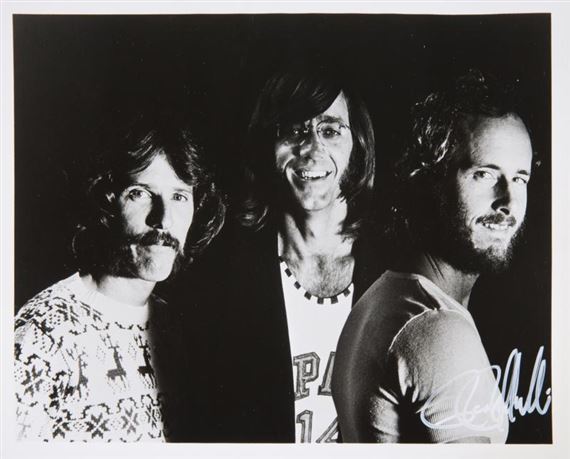
When “Other Voices” was released to a surprised public only three months after Morrison’s death, it was initially purchased by curious listeners who, much like me when I found out the album existed in the 1990’s, wondered what The Doors would be without Jim Morrison. The album got mixed reviews from critics but was ultimately dismissed by fans as being a bad idea. The world just lost Jim Morrison. They weren’t ready for a Doors without him.
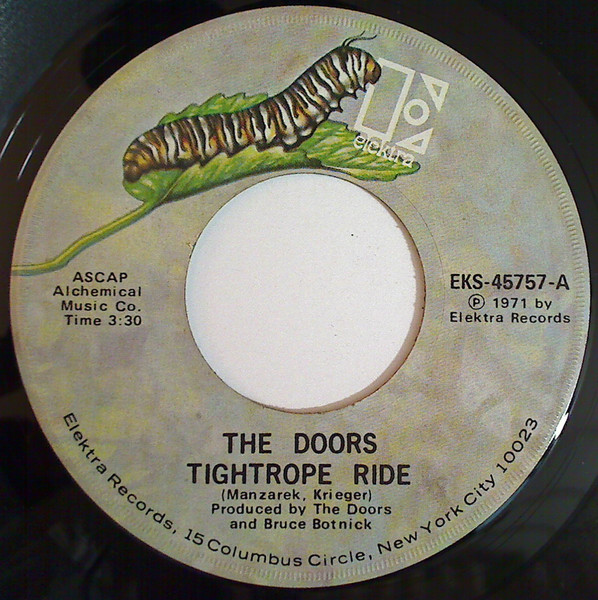
However, “Other Voices” proved to be far more successful than music historians might want to believe it to be. Although the album didn’t come close to selling as many copies as any of The Doors’ previous releases, it did manage to reach the #31 spot on the Billboard Sales Charts. Meanwhile, while “Other Voices” would be the first Doors album not to have a single in Billboard’s Top 40, the album still managed to get a song on the charts, albeit barely. The album’s first single, “Tightrope Ride,” managed to crack Billboard’s Top 100, reaching #71. The Doors even began touring again with an expanded group of musicians, and during a trip to Germany in 1972 did a special episode of the music program “Beat Club”: where they were featured for the entire hour doing tracks from “Other Voices.” Yes, these successes paled in comparison to what The Doors had done before, but for a band struggling to reinvent themselves in the wake of their front man’s death, The Doors were proving that they were still alive.
Although “Other Voices” seemed to be little more than an urban legend when I was growing up, in the current century it is much easier to get your hands on it. Although it never got a release during The Doors renaissance in the 1990’s, “Other Voices” finally got a CD release in 2006 on a European label called Timeless Holland, before getting a widespread North American reissue as a 180-gram LP in 2015 from Rhino Records. Meanwhile, the album is available to listen to on most streaming platforms and is easily accessible on YouTube. As a result, the mystique around “Other Voices” has greatly faded, over the past few decades and even the overall value of the album seems to have declined in the years since I first bought it from eBay thirty years ago. In the 1990’s, it seems that the collectors that had copies of “Other Voices” were unwilling to let go of it due to its lack of availability. But today, “Other Voices” can often be found in record shops and shows fairly regularity and at cheap prices. It is not quite the grail item I once thought it to be.
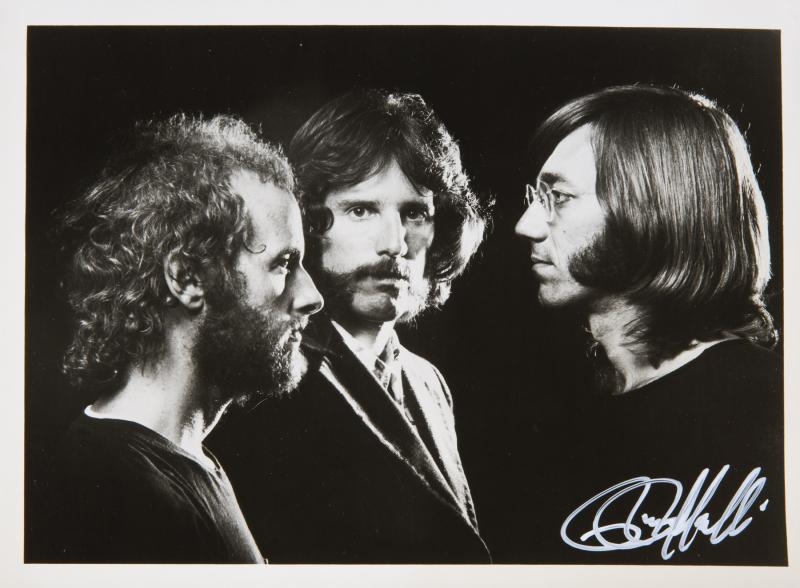
But still today “Other Voices” seems to remain a misunderstood album. While it might be easy to dismiss it as little more than a failed curiosity; the album remains to be an interesting document of a band at a crossroads trying to survive after a devastating loss. It was an album created out of uncertainty, grief and possibly a bit of desperation. A product by a band seeking to redefine themselves as a band without a front man, and to reinvent themselves after the loss of their most iconic member. It was an album where three gifted musicians stepped up to prove their worth to a doubtful public still in shock over the loss of The Lizard King. But most of all, it was an incredibly risky album to make. The Doors knew that Jim Morrison was irreplaceable, and that the special element he brought to the table was lost forever. However, they also believed in the strength of the music that they continued to make, and their ability to perform it. Jim Morrison may have died, but The Doors, for now, were still alive. There was still music to be made, and things were about to come “full circle.:


