
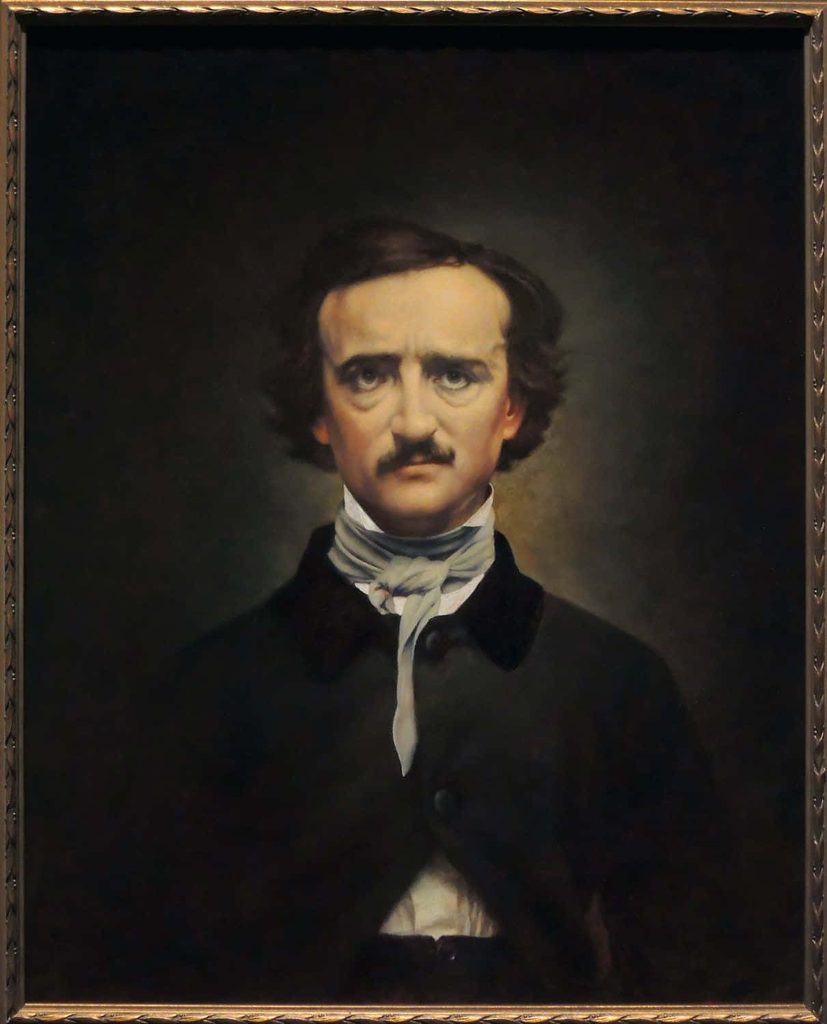
On October 3, 1849, Edgar Allen Poe was found lying in a ditch in Baltimore, barely conscious and in need of immediate medical attention. Known throughout the city for his heavy drinking, fits of rage and manic depression, malicious gossips relayed that he was a drug addicted mad man who was haunted by the memories of his dead wife. Brought to the local medical facility, Poe never recovered and died on October 7th after days of drifting in and out of consciousness. With no clear-cut diagnosis over what had happened to him, nobody was quite sure what to make of his demise. Was it natural causes, suicide or murder? Still today, nobody knows for sure. But despite being drunk and dismissed when he died, like many misunderstood artistic geniuses, Edgar Allen Poe would become more famous in death than when he was alive. Primarily known as a literary critic during his lifetime, his dark poetry and ghoulish short stories, such as “The Pit and the Pendulum,” “The Fall of the House of Usher,” “The Black Cat,” “The Tell Tale Heart” and, most importantly, “The Raven,” would not only become hallmarks of classic American literature, but would exalt Poe to being revered as the Godfather of American Horror. For over 170 years Poe’s work has continued to inspire not only writers worldwide but have been reinterpreted through all forms of art and media, including film, television, theatre, visual art, comic books, spoken word, fashion, dance and, of course, music. From opera to heavy metal, symphonies to concept albums, Poe’s words seem to emulate with musicians, who can find meaning and inspiration in his dramatic prose and his obsession with death.
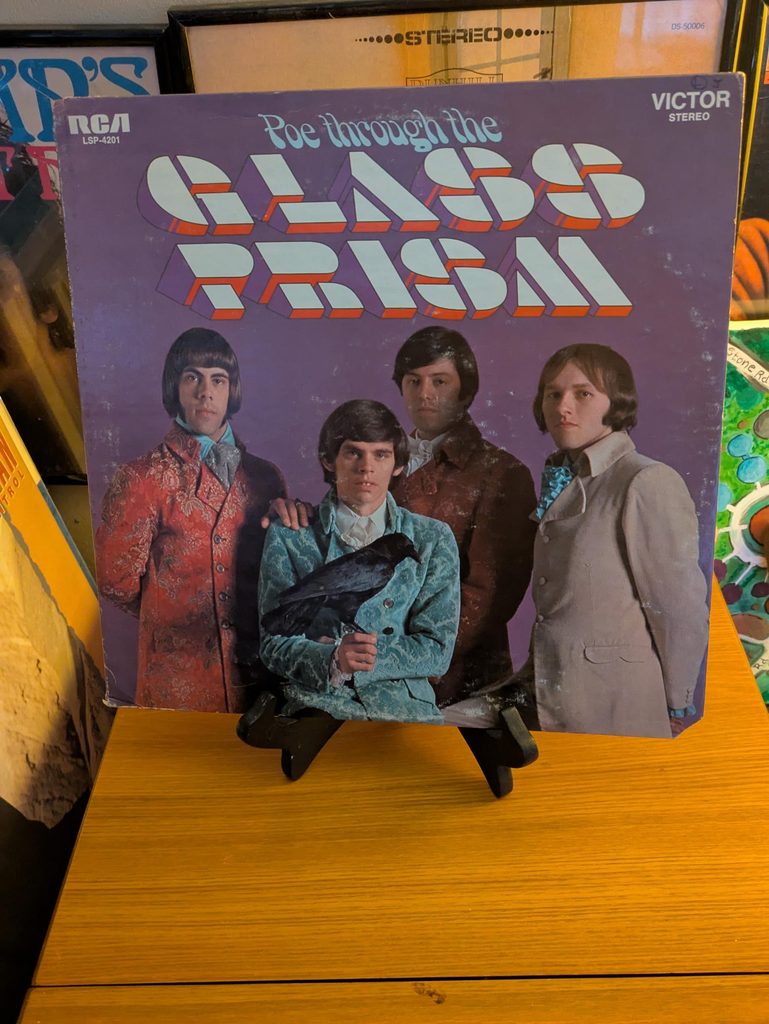
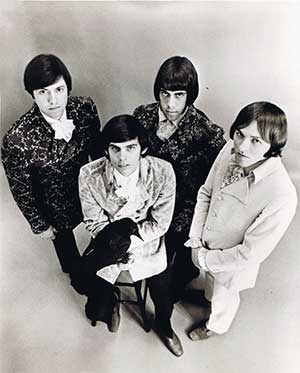
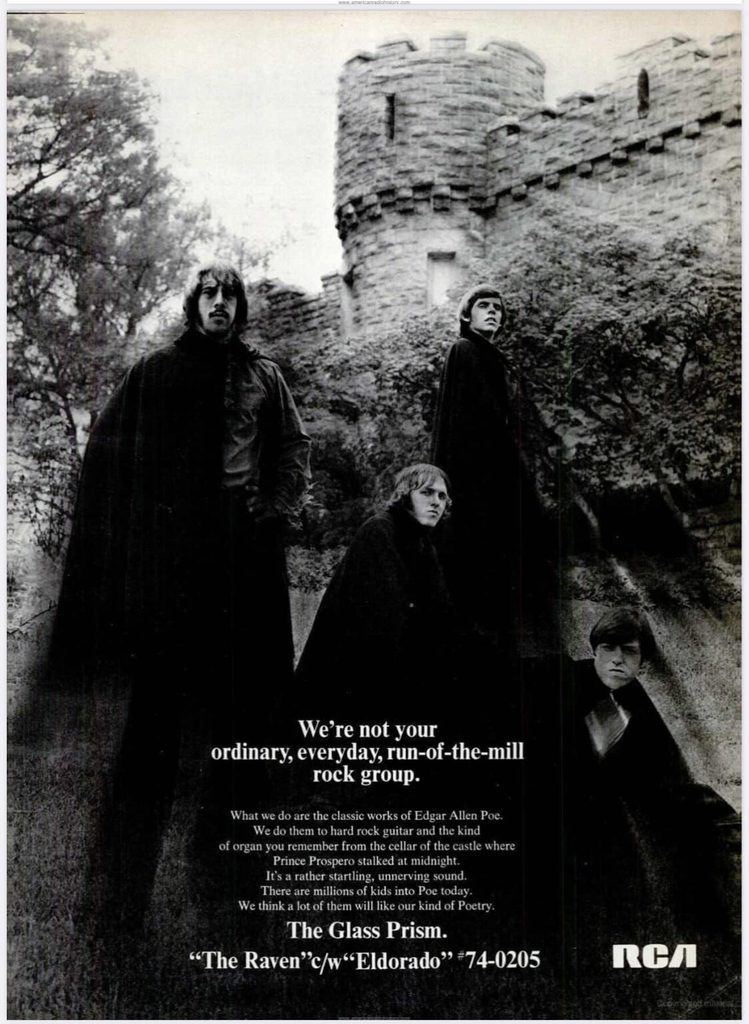
In our modern era, numerous musicians have brought Poe to record store shelves, but the first, and arguably the best, to do it was The Glass Prism. Never heard of them? Well, just like Poe himself, during their time as struggling young musicians their debut concept album,” “Poe Through The Glass Prism” went criminally unnoticed, only to be rediscovered and appreciate decades after its initial release. From Scranton, Pennsylvania, The Glass Prism were Augie Christiano, Rick Richards, Tom Varano and Carl Siracuse, who released their psychedelic opus in 1969 with great promise and enthusiasm from critics, music insiders and their healthy fanbase. However, when nearing the cusp of national exposure, The Glass Prism found themselves as non-participating players in an internal conflict which cancelled their chances at rock n’ roll stardom.
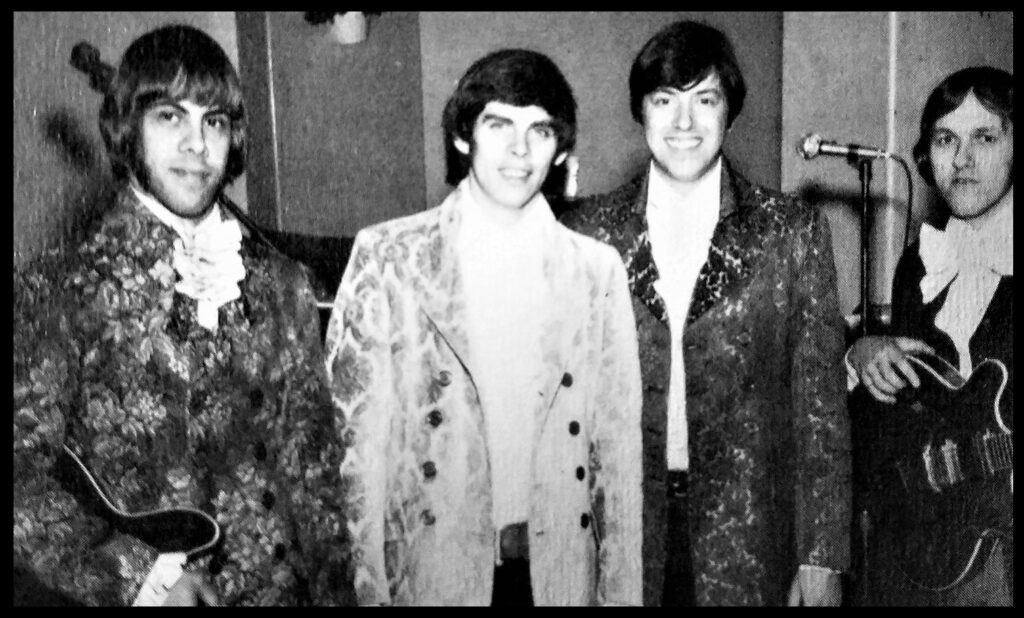
I first came across The Glass Prism in 2025 when I was researching the garish Billboard hit “Timothy” by The Buoys. My search for information on that obscure group brought me to a Facebook page for Pennsylvania based rock bands, and a photo of four good looking guys in 60’s style Edwardian suits caught my eye. The photo looked like something out of “Dark Shadows,” and the caption called the group “the first goth band.” Well, the first goth band was actually Chicago’s Coven, but it piqued my interest enough to take a deeper look into the group and moments later I was streaming “Poe Through the Glass Prism.” Well, listening to their first and only single “The Raven,” my mind was blown! The Glass Prism were incredible! Why hadn’t I heard of them! A visit to Discogs and a couple of clicks later I had a copy of the original vinyl coming to my collection. I wanted to have this album right away and not spend years searching for it in endless record shop digs. Evert cent I spent on the expensive exchange, shipping and tariffs to buy it from an America vendor was worth it. I’ve never seen a copy of “Poe Through The Glass Prism” in any of my vinyl adventures yet.
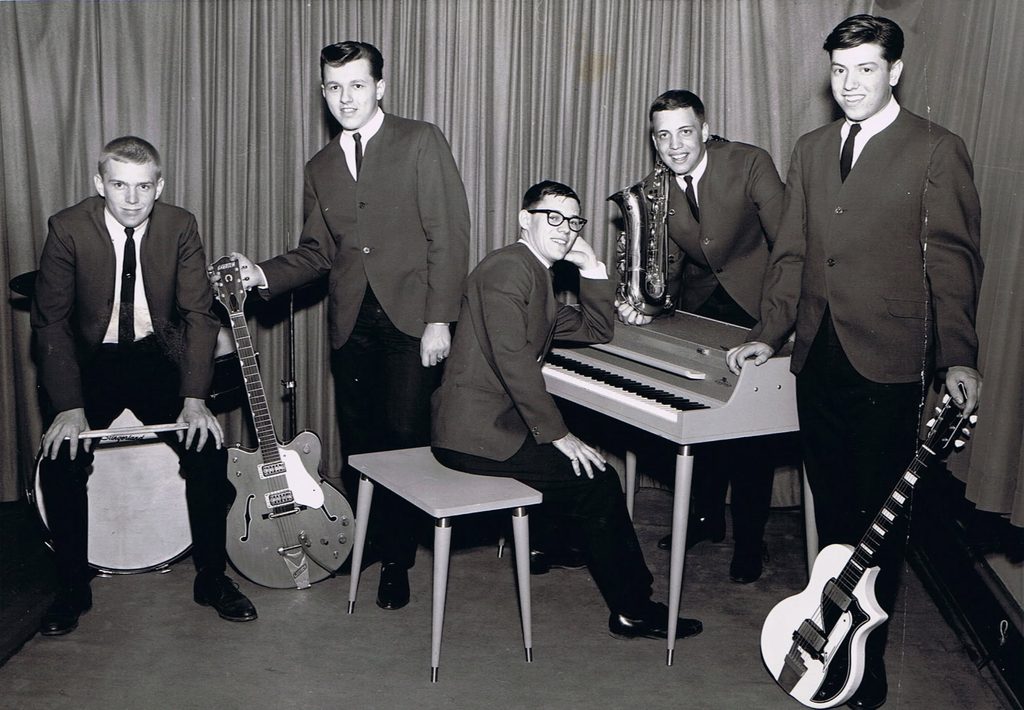
The story of The Glass Prism goes back to 1960 when high school student Tom Varano got a call from school pal George Fox who was starting a band. George wanted Tom to come out and play lead guitar for the group, so the thirteen-year-old guitarist got his father to drive him to nearby Berwick, PA to have a pickup jam session with Fox and some pals. The guys were able to find a sound, and calling themselves The El Caminos, they quickly became a popular group playing high school and teen club dances. In the early days, The El Caminos primarily played covers of r&b acts, such as Ray Charles and The Isley Brothers, and eventually began writing original rock n’ roll songs while gaining a dedicated following of local teens. The group even recorded a number of singles at a local independent label, although the records were primarily sold to fans at live shows, and never saw any airplay.
In 1963 Carl Siracuse joined the group on keyboards, replacing George Fox, who had left to study music at Berkely, and Rick Richards became the El Caminos’ new drummer after their original drummer, Steve Bond, was tragically killed in a car crash on his way to a gig. The final member to join the group was Auggie Christiano, who was recruited to play bass despite having no experience with the instrument at all. A rhythm guitarist, he faked the audition, but the band primarily wanted Auggie for his singing voice anyways, and Tom dutifully tutored him on bass until he could play adequately.
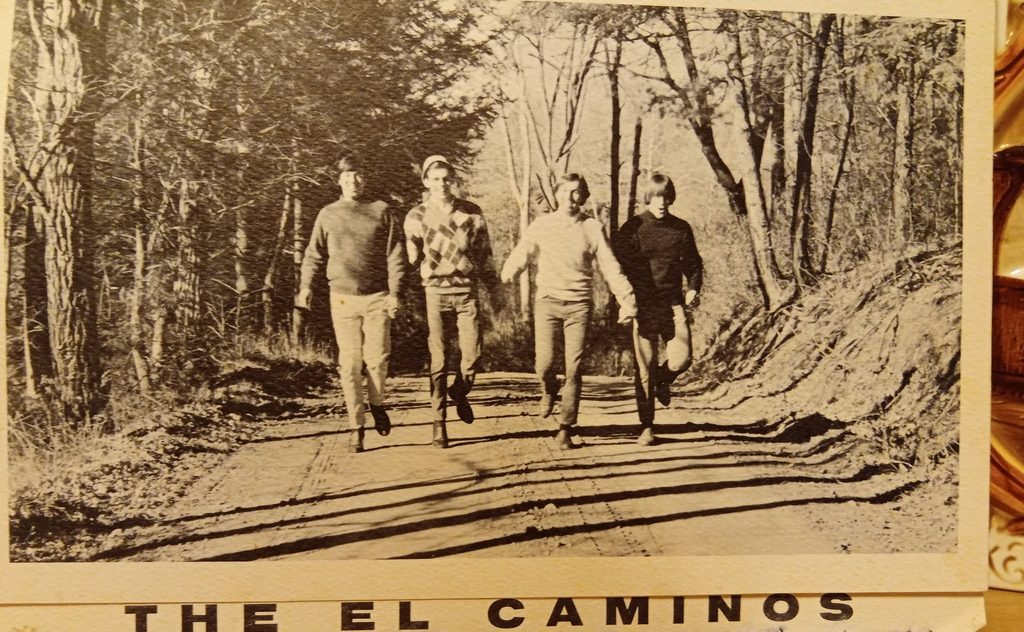
By the mid 1960’s, The El Caminos had graduated from being a teen band to a successful bar band in Scranton and surrounding area and continued to grow a strong following amongst locals who were looking for a place to dance on the weekends. Continuing to evolve with the constantly changing music trends of the 60’s, the band drifted from r&b to towards the harder psychedelic sound that was coming out of Los Angeles’ Sunset Strip. Although they continued to write original material, nothing the group put together seemed to attract the attention of any music insiders.
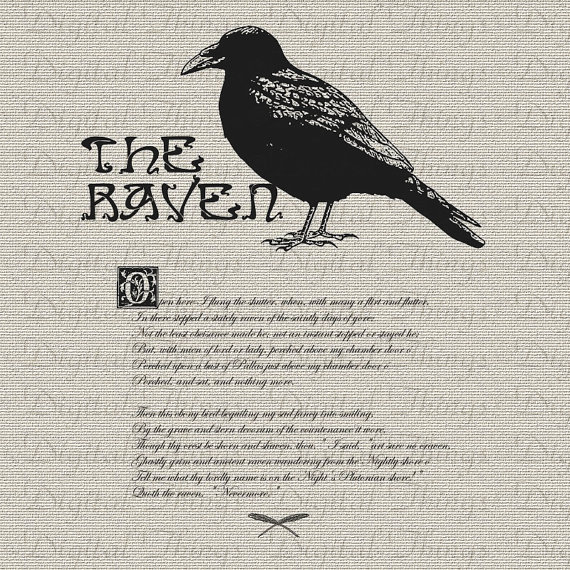
However, that’d change in 1968 when Auggie had a sudden flash of morbid inspiration. Hanging out at his girlfriend’s house, he was playing around with her family’s Hammond organ and came up with a dramatic key progression which he thought sounded like a funeral dirge. Looking for something to go along with his creation, Auggie began to sing Edgar Allen Poe’s “The Raven,” which was still being commonly taught in schools at the time, over the morbid little medley. To his excitement, Poe’s verses seemed to fit perfectly, and Auggie immediately called Tom on the phone and played him his experiment. Realizing that Auggie had come up with something interesting, he told Auggie to meet him at their rehearsal space, and soon the two were hashing out a full version of “The Raven” together.
In the weeks to come, “The Raven” was added to The El Caminos’ set. With Carl taking over on keyboards, which was still the driving instrument in the composition, the guys turned it into a twelve-minute psychedelic masterpiece as Auggie performed all eighteen verses of the original poem. It was uniquely different, but the hometown crowd went nuts for “The Raven.” Some of the more literary fans knew exactly that the song came from a Poe poem, but others just loved the heavy sound which emulated popular groups such as The Doors, Deep Purple and Procol Harum. Riding high on the reaction of the audience, Tom wondered what other potential hits might be waiting within Poe’s writings, and picking up a copy of Poe’s complete works, he and Auggie began to work on additional numbers combining Poe’s words with a heavy sound. Soon, the El Caminos had eleven Poe songs and were busy retooling their act to reflect their new direction.
Dressing themselves in capes, top hats and Victorian cut suits, the band’s new direction didn’t match their name. The El Caminos was a great name for an old school garage band, but in a market where rock groups had more outrageous names such as The Vanilla Fudge, The Strawberry Alarmclock and The Electric Prunes, the guys needed a new name desperately. It was Carl’s sister who came up with the name The Glass Prism when she saw the term in a science textbook. The band dug it, and that’s how The El Caminos morphed into The Glass Prism.
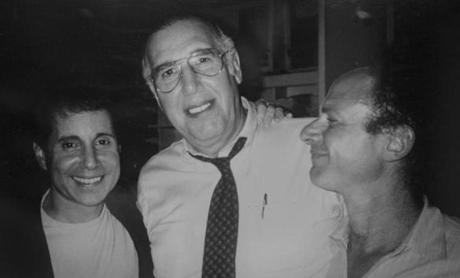
As The Glass Prism continued to play their Poe set around the Scranton area, a bigger buzz for the band reached wider areas and the group’s fanbase continued to grow throughout Pennsylvania and the Upper New York area. Well, one night a fan of the band named Carol Weiss brought her Uncle, Gene Weiss, to see The Glass Prism’s Poe set. From New York City, Weiss was a producer at Columbia Records, and intrigued about what his niece had told him, he quietly checked them out at a local club. Impressed by the band, he headed back to New York and talked them up to his colleague Mort Lewis. Mort Lewis had been a big player in the New York scene for years, having initially worked with jazz musicians, but was representing a diverse stable of acts including Simon and Garfunkel, Dave Bruebeck and Blood, Sweat and Tears. Weiss and Lewis headed out to Pennsylvania together for another Glass Prism show, and approaching them between sets, told them they really dug what they saw. Three days later The Glass Prism were in New York City signing contracts with Mort Lewis to represent them, and a week after that they had a two-album deal with RCA records.
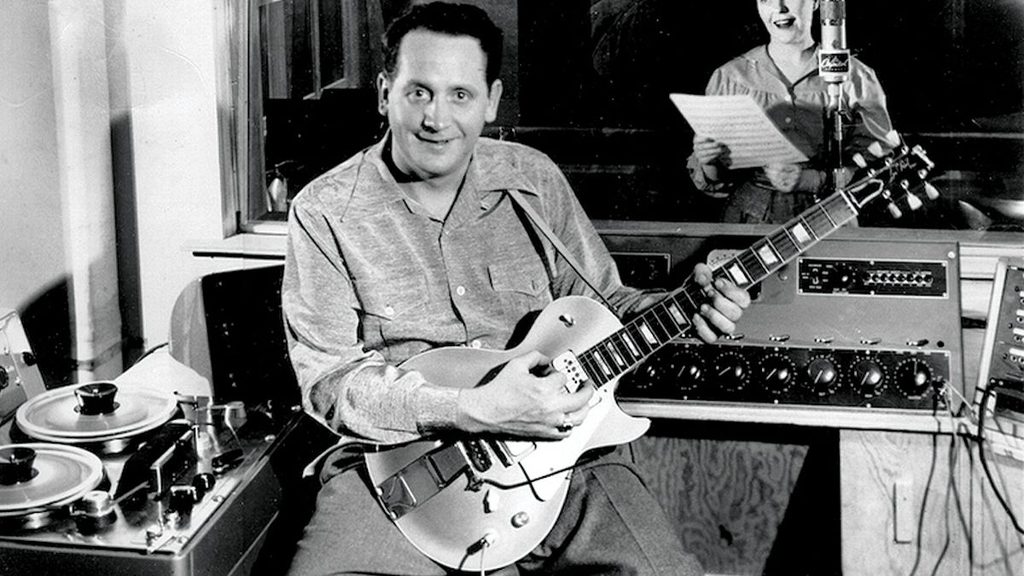
From there things started to move quickly for The Glass Prism. Given a lucrative advance from RCA, the band was sent to Mahwah, New Jersey to record their album with none other than celebrated guitar legend, Les Paul! Les Paul took a liking to The Glass Prism immediately, and not only recorded them in his studio, but had the band stay in his home as guests. With their material well rehearsed already, recording the musical tracks was easy, but according to Auggie, he had trouble with the vocals because he was so nervous in front of someone of Les Paul’s status. But Paul was able to identify the source of Auggie’s problems and had a gentle way at handling it. In an interview from 2008, Auggie tells a story which revealed the professional kindness that Les Paul showed young musicians. Waking Auggie up at 5 am, long before anyone else in the house was awake, Paul was holding a cup of freshly brewed coffee. Giving Auggie the cup, Les Paul told Auggie to drink the coffee, and then they were going to go into the studio and record the vocal tracks while it was still quiet and nobody else was around. Auggie drank the coffee, and with the pressure off, he did the entire thing in one take, which was the track they ultimately used on the album.
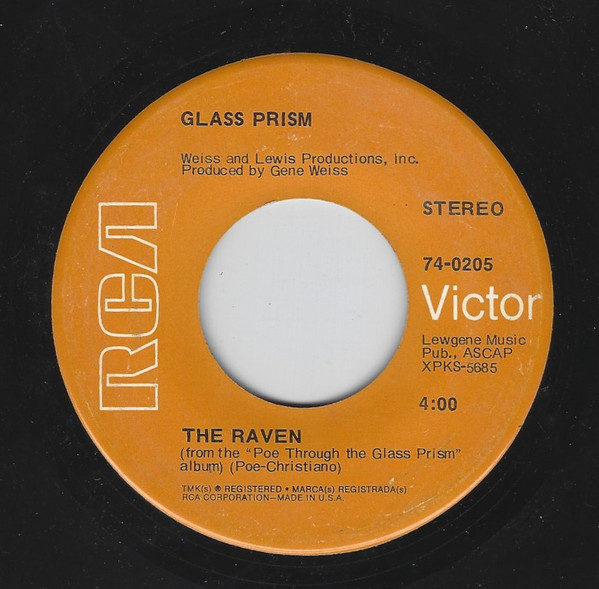
But believing that “The Raven” had the potential to become the hit single on the record, the song had to be highly edited from their original live version. A twelve-minute song just wasn’t going to fit on a single, and no commercial radio station would ever play it. So, “The Raven” was shorted to four verses, but even the dramatically edited version managed to capture the mystery and tension of the number. “The Raven” would end up being the centerpiece of the album, now being called “Poe Through the Glass Prism.” Unfortunately, the full version of “The Raven” was never recorded in the studio, and no live versions are known to exist.
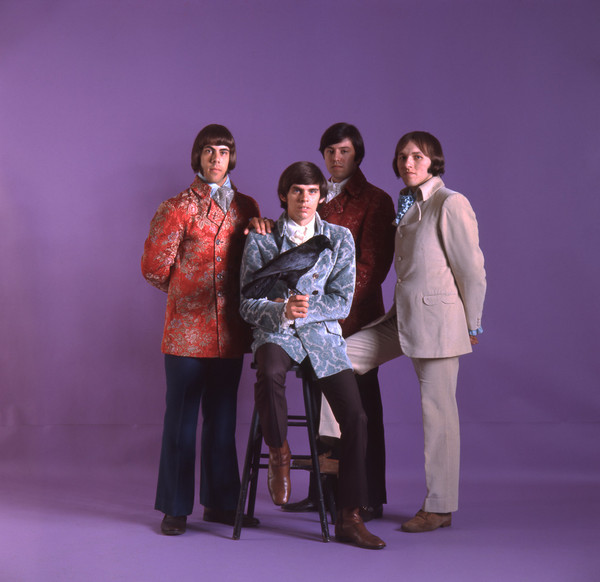
“Poe Through the Looking Glass” was released with great anticipation in 1969 with the first single, “The Raven,” being sent out to radio stations immediately where it got lots of airplay in and around Pennsylvania. The Glass Prism suddenly found themselves in demand working as a supporting act for all the big bands that were coming into Philadelphia and Pittsburgh, while Billboard and Cashbox were giving the album positive write ups. Slowly the album started to climb the Billboard Sales Charts hitting the #105 spot, and word was out that RCA was planning on giving the band a push. Things seemed to be going great, but fate would have other plans for The Glass Prism.
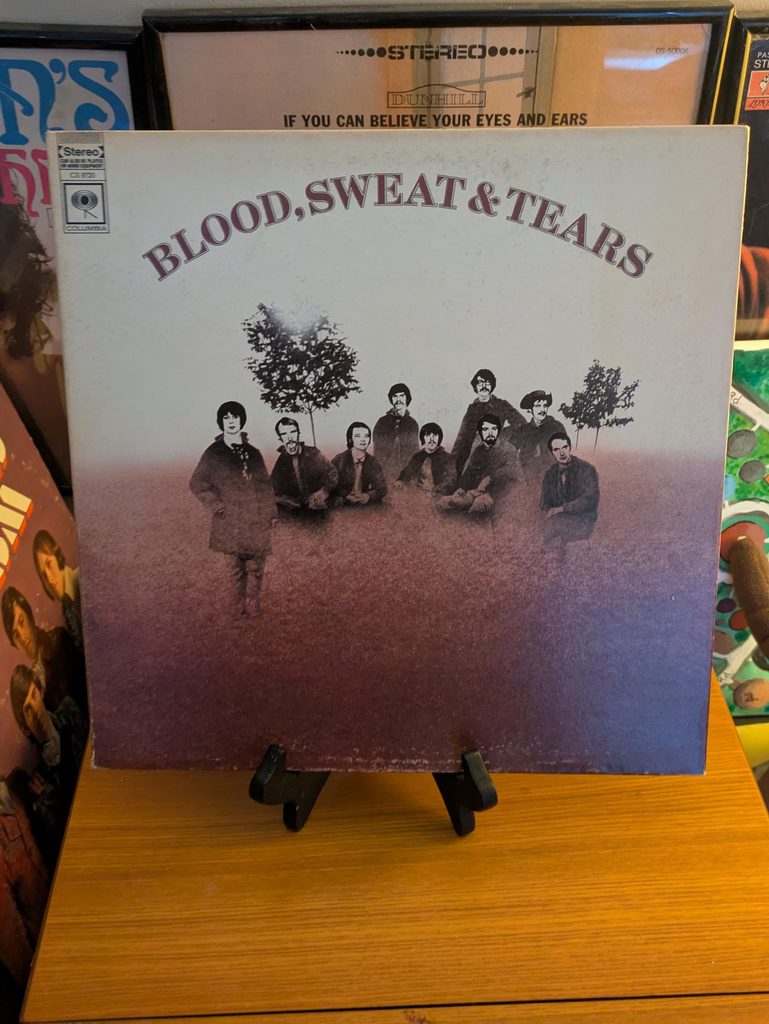
Weeks after the album’s release Mort Lewis told The Glass Prism that he was going to pair them up with Blood, Sweat and Tears as their opening act on a national tour. In 1969 Blood, Sweat and Tears were super hot. With their brand-new front man David Clayton-Thomas on lead vocals, the group scored three massive top ten Billboard hits with “Spinning Wheel,” “You Have Made Me So Very Happy” and “When I Die,” and their self titled sophomore album would go on to take home the Grammy for “Album of the Year “the following year. Touring with Blood, Sweat and Tears would not only give The Glass Prism national exposure, but put them in front of huge audiences. Everything seemed to be riding on this tour. But then the unthinkable happened when Mort Lewis vanished.
If anyone ever received an accurate explanation of just what happened to Mort Lewis in 1969, it seems to have never been recorded for public consumption. Still today there only seems to be little bits of information on what happened via rumours and gossip. Perhaps it just wasn’t a big enough story for the general public to care about it, but Lewis’ disappearance made a world of difference to The Glass Prism.
The main rumour was that some sort of dispute erupted between Mort Lewis and David Clayton-Thomas, and suddenly the tour was cancelled until Lewis and Blood, Sweat and Tears could figure out their differences. But that never came to be as the conflict seemed to overflow into the RCA offices, and soon Lewis was out with them as well, who seemed to no longer want anything to do with him. Said to be depressed and distressed following his exit from RCA, one day Lewis just quietly disappeared, and nobody could get in touch with him. Not RCA. Not Gene Weiss. Not Simon and Garfunkel or Blood, Sweat and Tears. Not even Lewis’ own wife. It was believed that Lewis, dejected and angry, packed up a few belongings and sailed away in his yacht for parts unknown, leaving all of his business and responsibilities behind him. In a time before computers, people could disappear that easily and it didn’t seem that Lewis wanted to be found. Meanwhile, The Glass Prism remained n limbo waiting to hear what their fate was.
Well, the moment Mort Lewis was out of the picture, RCA suddenly cooled off on The Glass Prism and stopped promoting their album. As far as they were concerned, The Glass Prism were Mort Lewis’ boys and now nobody was taking their calls. The Glass Prism had become collateral damage in Mort Lewis’ midlife crisis, and an internal conflict that didn’t even involve them.
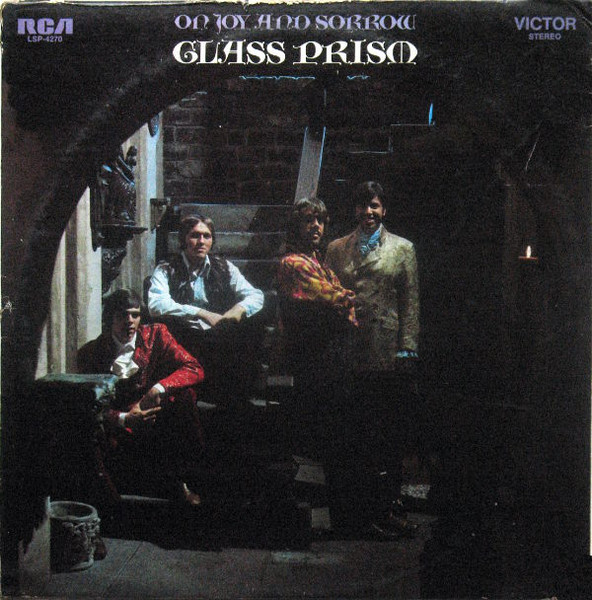
After weeks of hearing nothing, the group finally got a call from Gene Weiss who told them that they were still under contract to do another album for RCA, and that the company wanted it immediately. With nearly no new material to speak of, the guys told Weiss that they were not ready to make another album. Weiss replied that they better figure things out because they were to go back to RCA studios the following week for three days and were expected to produce something. In desperation the band went into the studio with only a few prepared songs, and produced additional tracks live on the studio floor. It was a mortifying three days which left the group dejected and frustrated. The result was their second album, “On Joy and Sorrow,” which was released quietly with no promotion in 1970. Although the album is notably inferior to “Poe Through The Glass Prism,” the album has some decent tracks, and modern music credits are kind to “Of Joy and Sorrow.” But even the most casual listener can detect that the album contains mostly filler. In the end, the only reason “On Joy and Sorrow” was made was so that RCA could complete their contract with The Glass Prism before wiping their hands of them forever.
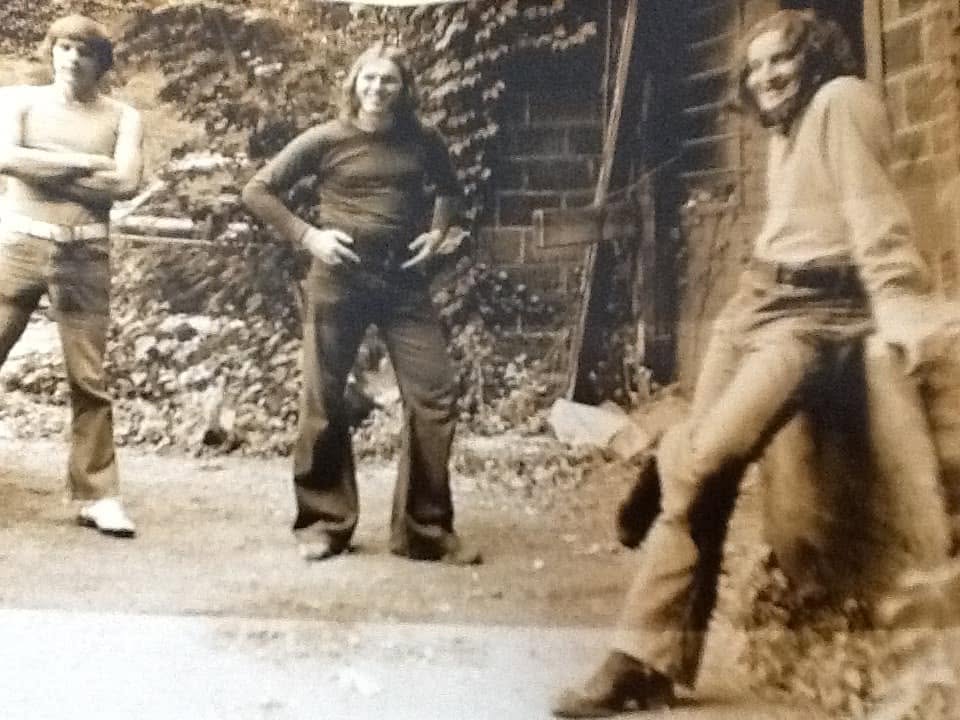
With their RCA contract cancelled, the mood grew dark for The Glass Prism. Although they tried to continue, Carl checked out, eventually joining The Buoys. Without the important sound of Carl’s organ, the remaining members of The Glass Prism could no longer perform their Poe material. Next to quit the group was Auggie, who simply left music altogether, leaving Tom and Rick to go in a new direction.
Tom and Rick would eventually join up with guitarist/keyboardist Lou Costa, who ironically was performing with Carl Suracusse in The Buoys, and they rebranded themselves under the name Shenandoah (not to be confused with the 1980’s country band). The trio had mild success as a regional act and even recorded an album, but by 1975 they too had had also gone their separate ways.
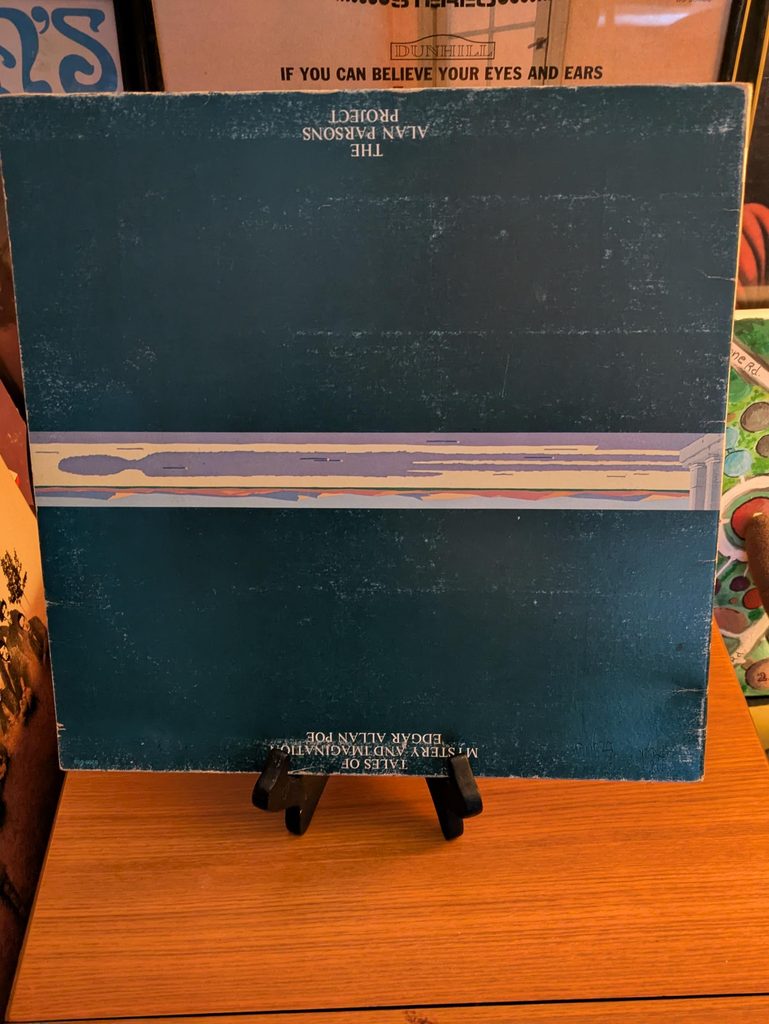
Ironically, a year later Alan Parson’s released his album “Tales of Mystery and Imagination,” which did the same thing that The Glass Prism had done years earlier, bringing Poe’s words to rock music. Featuring guests including Pilot, Ambrosia, Arthur Brown and Terry Sylvester and John Miles, “Tales of Mystery and Imagination” was an ambitious album which proved to be far more experimental in nature and has become a prog-rock classic. Much later, in 2003, Lou Reed did his own Poe project, “The Raven,” featuring guests David Bowie, Steve Buscemi, Laurie Anderson and Willem Dafoe. But as for The Glass Prism, their Poe album went forgotten and unheard for decades where copies of it collected dust in abandoned record collections in moldy basements. The Glass Prism story had ended before it had even begun…. or so it seemed. Like any good mystery story, there would be a surprising twist to this tale.
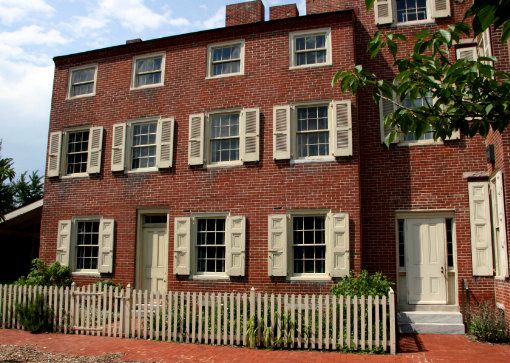
Fast forward to 2007 and Tom Verano gets a phone call from someone who had some curious information for him. Apparently, The Edgar Allen Poe Historical Site in Philadelphia was playing “Poe Through The Glass Prism” in their museum’s reading room! Located in a historically preserved building in which Poe had lived between 1843 and 1844, the museum and archive dedicated to preserving the legacy of Poe welcomes thousands of visitors yearly. Curious, Tom called up the museum and was put in contact with employee Helen McKenna, who told Tom that one day someone had come to the museum with a copy of “Poe Through The Glass Prism” and showed it to the staff stating that the album was how they had learnt about Poe as a teenager. Making a copy of the album, the museum began playing the album daily for visitors to experience and had become a favorite amongst the museum’s staff and volunteers.
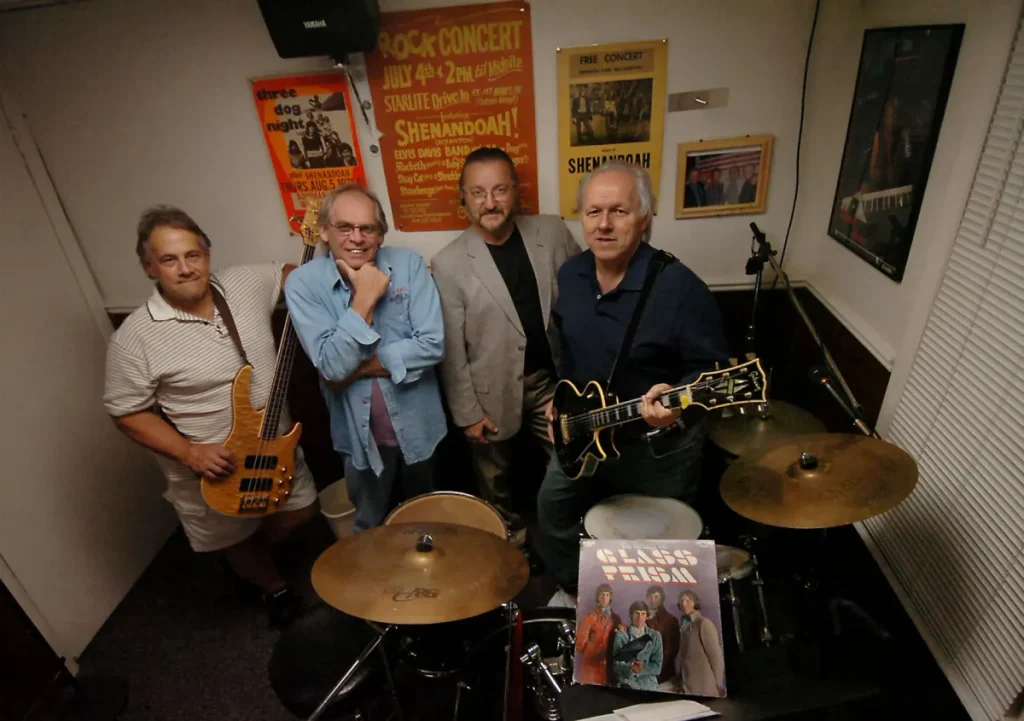
Excited to be in touch with a member of the band, McKenna asked Tom what the chances were that The Glass Prism might come together for a reunion and play a benefit for The Friends of Poe Society, which helps financially support the Poe House. Although it had been decades since the band dissolved, Tom made some phone calls. Although the members of The Glass Prism were now spread out in other cities, the guys were actually interested in seeing what might happen and a one night only concert was organized at Philadelphia’s historic German Society Concert Hall. Coming together again after 36 years were Auggie, Tom and Rick, who was joined by Lou Costa on keyboards, ultimately making it a Glass Prism/Shenandoah reunion. Outfitted In matching white suits, the group played their Poe set to a sold-out audience. The news that the group was getting back together was enough to kick up interest amongst both old fans who came out to regain a shard of their youth by seeing the “hometown heroes” perform again, as well as younger music hipsters who were inhabiting record shops just as the modern vinyl boom began to ascend upon the music market once again. The experience was so positive that In 2008 The Glass Prism was back for another show in Scranton with additional dates organized throughout Pennsylvania and Upper New York. During the preparation for the reunion shows, a film crew shot a documentary, “Of Joy and Sorrow: The Glass Prism Story.” Featuring extensive interviews with the band who told their own story, the documentary was released in 2009 in time for the 40th Anniversary of “Poe Through The Glass Prism.”
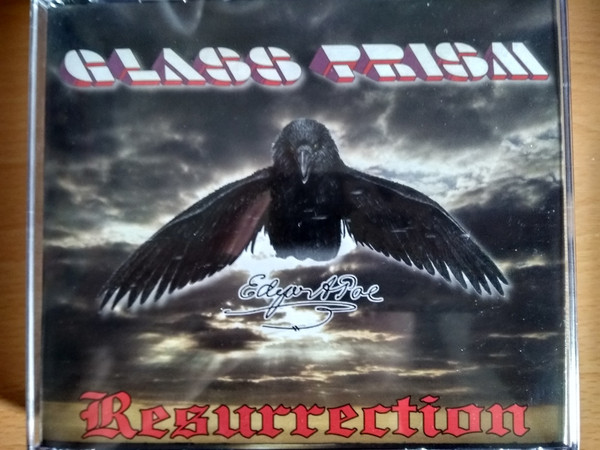
In 2012 The Glass Prism went back into the studio again to record their first new album in over four decades. Titled “Resurrection” the two-disk CD set featured new recordings of both The Glass Prism and Shenandoah’s original material, as well as newly written tracks including an expansion of the Edgar Allen Poe set.
But most significantly to vinyl collectors, a modern repressing of “Poe Through The Glass Prism” was finally released on the market in 2024 through Spain’s Guerssen label. Released in a limited capacity, the copies are easily assessable through Discogs although at a relatively high price. Meanwhile, original pressings of the album range in price widely, with some sellers selling them for under twenty bucks, while others want a hundred dollars or more.
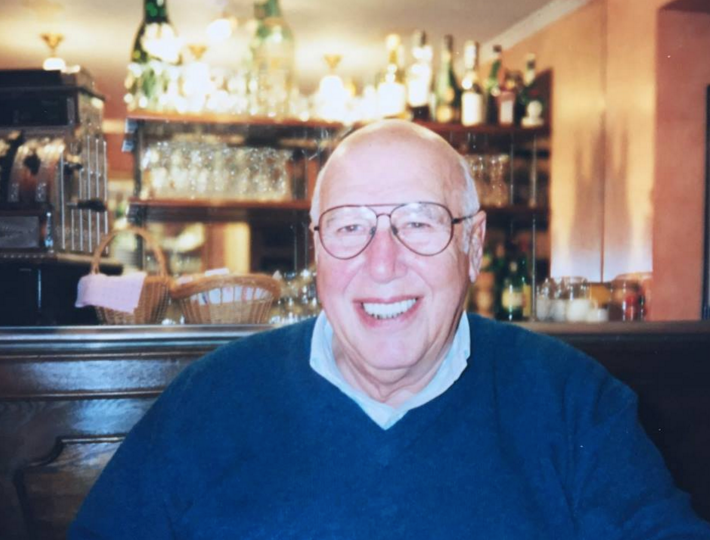
But there is still one mystery that has yet to be solved in this story. Whatever happened to the missing Mort Lewis? Did he ever resurface? Well, despite being a major insider in the music scene through the 1960’s, when Mort disappeared, he truly disappeared for a long time. In fact, upon Weiss’ disappearance, Paul Simon moved in on his wife, Peggy Harper, and the two were married by the end of 1969. It has been suggested that the two may have been having an affair prior to Weiss’ disappearance, which we might assume may have been another factor in his sudden dramatic departure. Anyhow, Mort Lewis stayed under the radar and away from public life for decades until around 2015 when he resurfaced in Connecticut and was working on a project with Art Garfunkel. However, the project was never completed due to Lewis’ death in 2016. For better or for worse, Mort Lewis never had any contact with The Glass Prism ever again.
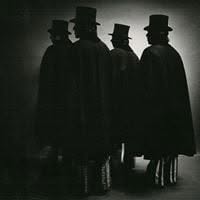
Although “Poe Through the Glass Prism” will probably never be considered a classic album, it has definitely succeeded in becoming a cult favorite amongst audiophiles who are in search for rare gems and deep cuts. “Poe Through The Glass Prism” is still an exciting album to listen to which puts the words of Edgar Allen Poe into an accessible presentation with all its morbid mystery and drama, but without the pretentiousness of other artists ‘interpretations. The Glass Prism are one of the great bands of the 60’s that had so much potential and deserved to reach the top of the Billboard charts, but due to factors beyond their control, they wallowed in obscurity for decades. Just like Edgar Allen Poe, The Glass Prism have survived into the current century by creating a following that continues to introduce others to their work, thus keeping it relevant and alive. But unlike Edgar Allen Poe, the members of The Glass Prism lived to see their music reach modern audiences.


