“Is everybody in? Is everybody In? Is everybody in? The ceremony is about to begin.”
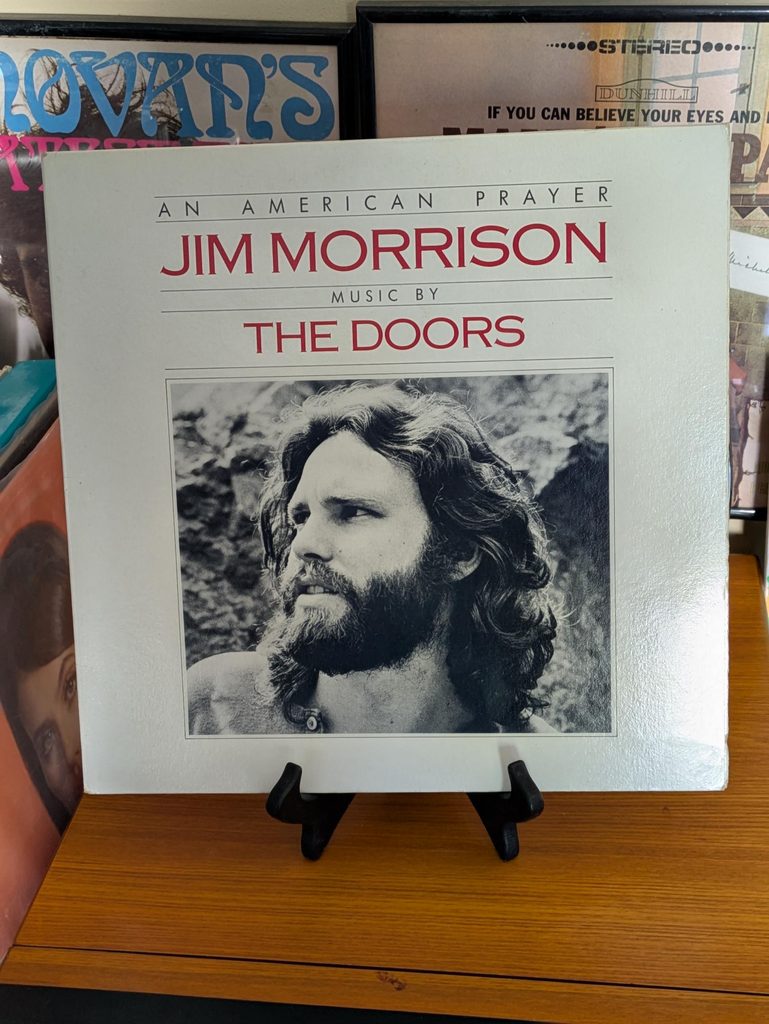
I was fifteen years old when I bought my first copy of “An American Prayer,” and believed it was the most shocking album I had ever owned. With its blunt moments of vulgarity and unapologetic descriptions of sex, to a young impressionable teenager like I was, “An American Prayer” was the kind of album you didn’t let your mother know about. I mean, how was I going to explain “Lament to My Cock.” Not that my mother was very concerned with what I was listening to. Tipper Gore she was not, and she never really spent much time monitoring my media output. Bur when listening to “An American Prayer” through my Walkman headphones, I couldn’t help but feel that I was doing something deviant. Something risky. I mean, isn’t that what the thrill of rock n’ roll is all about? Although I had owned some fairly explicit albums prior to “An American Prayer,” this time I was actually old enough to understand what the artist was talking about, which probably made it one of the first albums to have a part in eroding my childhood innocence.
But when listening to “An American Prayer” as a middle-aged record collector, the album hits a lot differently. Pulling it out this summer, it’s been a long while since I’d really listened to it, and I probably never really thought much about the album as an adult. No longer titillated by the shock value of the hard language and sexual discourse, I saw different shades to the album. Sometimes it featured provocative, if not slightly morose and pretentious musings of an intense young poet. At other times it reverted to the cheap shock value created by a stoned kid still in his 20’s, masturbating on his own genius. But overall, “An American Prayer” continues to be a well-crafted soundscape that serves as a lovingly produced final tribute to a young man whose life ended In his prime. Containing Jim Morrison’s final recording sessions, with new music by The Doors he left behind, “An American Prayer” is a passionate and often emotional journey revealing the true face of The Lizard King beyond the rock n’ roll rebel that the world remembered and exposing his true nature as a thinker, a philosopher and a poet.
But “An American Prayer” is far more than just one of those post-mortem tribute albums that lands on the market months after a singers death featuring the dregs which were left abandoned on the recording studio floor. “An American Prayer” would prove itself to be a resurrection. Released seven years after Jim Morrison’s death, “An American Prayer” channels Morrison’s voice from beyond the grave in a way that was more revealing than ever before and both old and new fans alike were able to experience The Door’s front man in a way they had never known him before. But what often seems to go overlooked was that “An American Prayer” was the album which revitalized interest in The Doors, launching them into the rock n’ roll stratosphere as one of the most important and iconic rock n’ roll bands of all time.
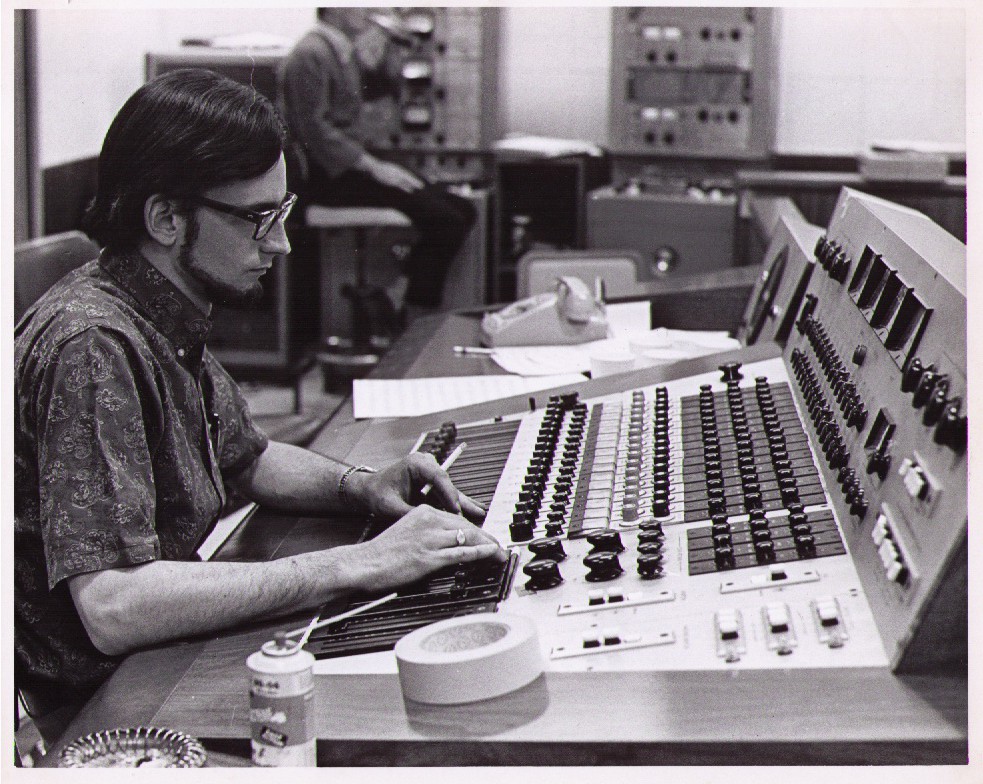
Although Jim Morrison and The Doors would have their names on the album cover, the true architect behind the success of “An American Prayer” was music producer John Haeny, and without his care, integrity and involvement in the project, the album would have probably never existed. The Senior Staff Recording Engineer at Electra Records during the end of the 1960’s, Haeny’s primary job was to oversee quality control at all of the company’s West Coast operations and supervise the various recording sessions operating at Elektra. In the case of The Doors, Paul Rothchild and Bruce Botnick made up the production team, but as their supervisor Haeny often oversaw and filled in at times on The Doors’ recording sessions. As a result, Haeny became a friendly acquaintance of Jim Morrison and the rest of the band although he was not hands on in any of their output during the 1960’s.
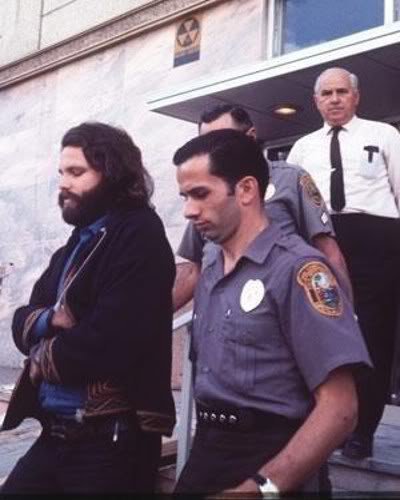
But that would change in early 1969 when Haeny was called into a meeting by Elektra Records president Jac Holman. Holzman revealed to Haeny that after a disastrous tour, in which Morrison had been arrested for indecency at a Florida concert, The Doors were taking a break from live performances, and Jim Morrison was talking about refocusing his creative energy. Considering himself primarily to be a poet, Morrison was sort of an accidental rock star, and while he excelled as one of best front men in the business while proving himself to be a gifted lyricist, there was a hint of imposters syndrome that constantly ate away at his mind. In an attempt to reground himself, Morrison expressed interest in producing a spoken word project. Although spoken word albums were never the type of products which made much money for any record company, Holzman wasn’t sure if Morrison planned to leave music or not but felt that he was too valuable of a commodity to lose and agreed to support Morrison’s proposed poetry album. However, not trusting Morrison to produce an album on his own due to his increased substance abuse and erratic behavior, Holzman had Morrison agree to allow Haeny to oversee what he saw as being a pet project.
At the request of Holzman, Morrison’s first poetry recording session would be on Sunday February 9th, 1969 at Elektra’s West Coast Studio, and was intended to be little more than a demo session. A simple affair that was never intended to see the light of day, Haeny was assisted by Elektra’s head of A&R David Anderle, and featured Morrison reading “Birds of Prey,” “Waterfall” and “Orange County.” Haeny mixed the short session and created two copies of what was to be called “The Elektra Tapes,” One copy went to Holzman, which found their way to the Elektra vault, and the second copy to Jim Morrison. However, after this initial session, the project went dormant as Morrison and The Doors’ entered another chaotic time. 1970 saw Morrison’s trial for his Florida arrest, which resulted in a guilty verdict of “indecent exposure” and he was sentenced to six months in prison. Morrison’s lawyers appealed the decision, and had Morrison freed on bail, giving him temporary leeway on his legal troubles. Soon after The Doors were back in the studio recording their sixth studio album “LA Woman.” In late November, as the “LA Woman” sessions came to an end, Morrison made the decision to finally take a temporary leave from The Doors to reground himself and pull himself together.
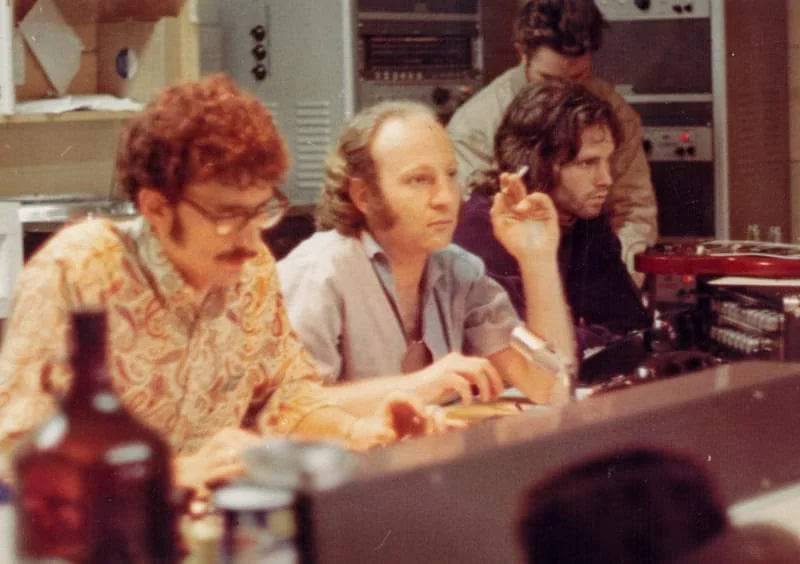
According to Haeny, Morrison called him up one afternoon in early December and told him that in a week he’d be celebrating his 27th birthday and that he wanted to mark it by officially beginning his poetry album in earnest. Haeny booked recoding time at Hollywood’s Village Recorder for December 8th, 1970 at 3:30 pm with an open-ended time so that they could go long into the evening if they wanted too. On the day of the session, Haeny presented Morrison with a bottle of Old Bushmills Irish Whiskey as a birthday gift. He had been told by Paul Rothchild that it was this whisky which was “they key that unlocked the door to the room which Jim kept the crazed Irish poet,” and Haeny wanted to record Morrison getting drunk on the whiskey while reading his poetry hoping that as he got more inebriated that his wild unhinged side might make an appearance on the tapes.
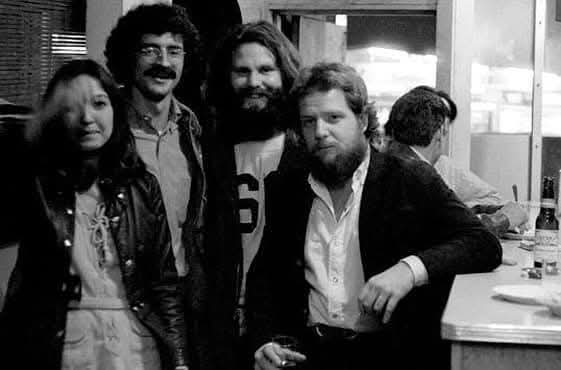
The recoding session would eventually double as a birthday party for Morrison, who invited a number of friends to come to the studio to attend the festivities. In the afternoon filmmaker Frank Lissciandro and his wife Kathy were the sole guests to attend the sessions, who stayed with Morrison and Haeny for a dinner break at a nearby taco stand. But as the session continued into the evening, more of Morrison’s friends started to drop into the studio. Instead of causing a commotion, the presence of familiar faces seemed to keep Morrison comfortable, and as he continued to drink his bottle of whiskey, he went from just reading his poetry to truly performing it. Pleased with the energy of the session, Haney wrapped things up around 1 am, and with Morrison and his entourage leaving for destination unknown, he quietly cleaned up and shut down the studio. Little did anyone involved know that this would be Jim Morrison’s final birthday and last recording session.
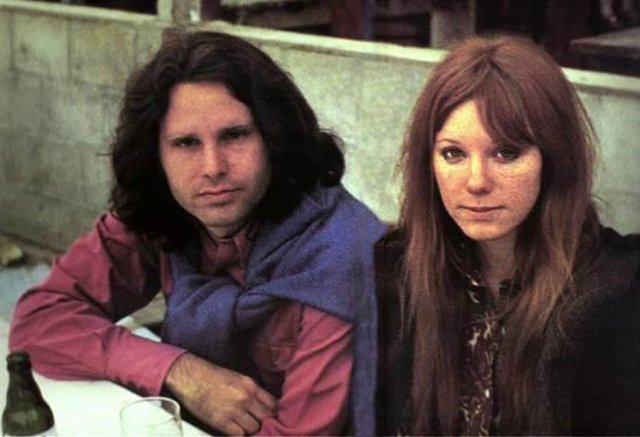
Weeks after the recording session, Morrison called up Haney and let him know that he was planning to leave Los Angeles for Paris on an extended trip, but he wanted to put a plan in place to continue working on the poetry album. Having gotten a copy of the recordings from his birthday pressed on a 45 rpm, Morrison wasn’t entirely satisfied with the results, but he had faith in the process and liked where it was going. He told Haeny that he had been thinking about asking composer Lalo Schifrin, who had written the theme to “Mission: Impossible” and composed the score to the film “Bullitt” to collaborate with him on music for the album. But, what Morrison wanted to do was to get himself settled in Paris and then have Haeny join him there to resume recording the project. Haeny agreed to this plan, and promised that once Morrison felt it was time, he’d make the journey and they’d start again. Well, Haeny never met Morrison in Paris. On July 3, 1971, Jim Morrison was found dead in his hotel room.
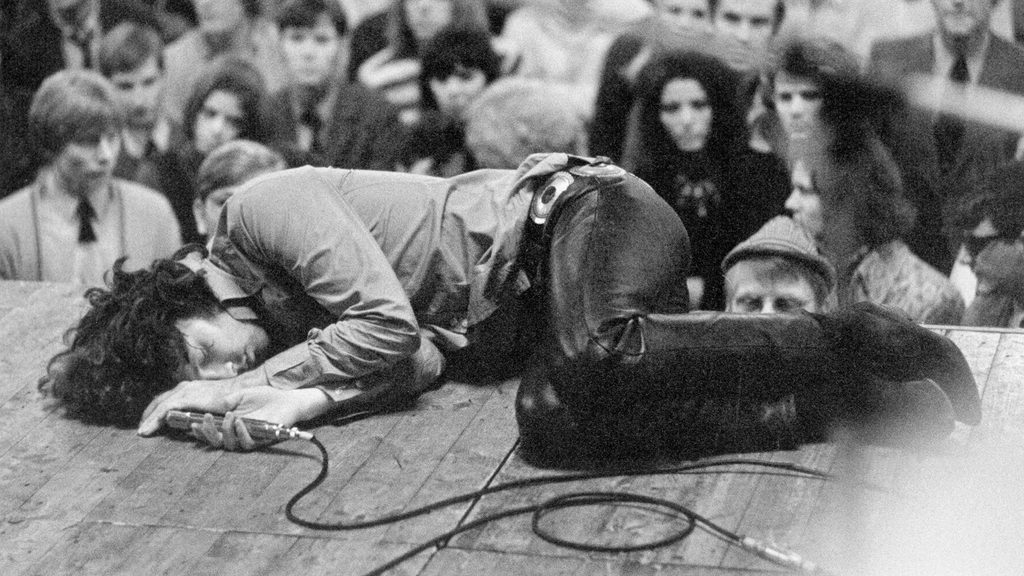
The death of Jim Morrison created obvious chaos for everyone in The Doors operation. With the band’s future now in a state of uncertainty, not only was Morrison’s death a major news story, but everyone who knew him was in a state of shock and grief. Still in possession of the tapes recorded on Morrison’s birthday, Haeny realized he was sitting on a very valuable and important historical document and secured it in his safe at his home. Furthermore, in the midst of the chaos, Haney had the foresight to go into the Elektra vaults and lift the master of the earlier Elektra Studios Tapes and secured them in his home safe to “protect it’s integrity.” Aware of the questionable bootlegs that were beginning to appear on the landscape created from tapes stolen from Jimi Hendrix’s personal effects after his death, Haeny was concerned about the future of the poetry tapes and wanted to keep them from falling into the wrong hands.
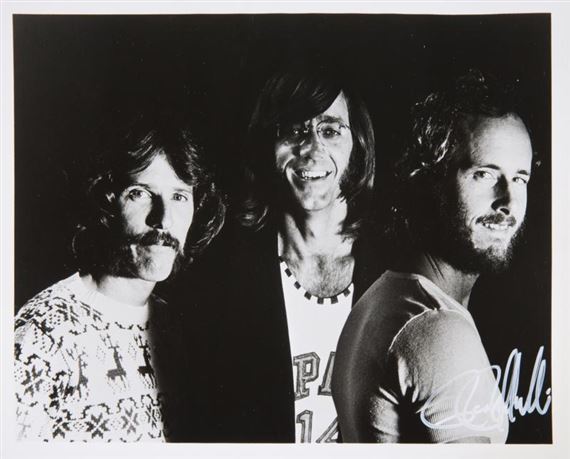
For the most part nobody seemed initially concerned or interested in the poetry sessions. It was well known that they existed, and it was assumed that Haeny had them, and when asked about them Haeny made it very clear that he was not going to release nor share them with anybody. But although it’s difficult to imagine it now, in the aftermath of Jim Morrison’s death, not very many people were thinking about The Doors. The sounds of the summer of love were now a thing of the past, and the music on the radio had been replaced by a variety of new dynamic sounds including prog rock, heavy metal, glam, disco and country-rock while exciting genres such as punk and new wave were just starting to gain attention. In an attempt to prove their relevance, The Doors produced two albums without Jim Morrison before officially disbanding in 1973. In an interview from the early 1980’s, Ray Manzarek observed that The Doors’ worst year in record sales was 1974. By the middle of the decade nobody was listening or thinking about The Doors and the memory of Jim Morrison was fading from the public.
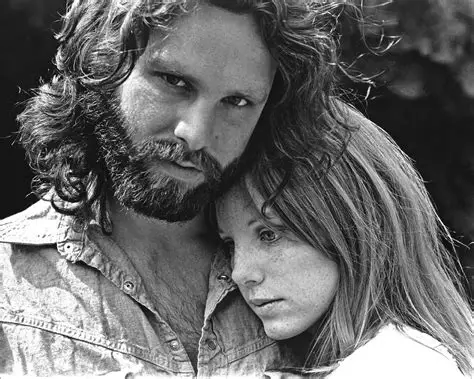
To make matters more complicated, in the mid 1970’s Jim Morrison’s estate became entangled in a messy legal battle between his family and that of Pamela Courson. When Morrison died, everything he had, including his percentage of The Doors catalogue, was left to Courson, who Morrison had been referring to as his wife and was with him in Paris at the time of his death. But when Pamela died in 1974 of a heroin overdose, Morrison’s family began to question the legitimacy of their marriage when his estate was to be handed over to the Courson family. Although Morrison had maintained a relationship with his younger brother and sister, he had a very hostile relationship with his father, Admiral George Morrison, while he remained quiet about his mother, Clara, whom he sought to protect from the scrutiny of the media. The rights to the Morrison estate quickly became muddled in legal red tape, and the battle between the Morrisons and the Coursons got ugly. But in the background, Manzarek, Krieger and Densmore had stakes in the outcome as there was a chance that Morrison’s percentage in the future of Doors recordings could revert to them. Eventually the two families agreed to a 50/50 split between the estate, which included Morrison’s share of The Doors recordings, Furthermore, both families would jointly oversee all future projects including Jim Morrison’s voice or likeness. Admiral Morrison would be in charge in approving any biographical material on Morrison, while Pam’s father, Columbus “Corky’ Courson would oversee any artistic properties.
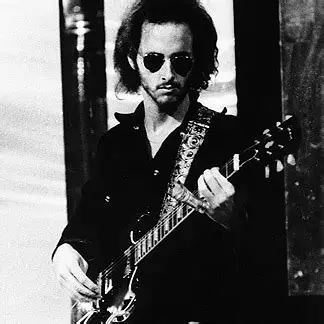
Flash forward to 1976 and John Haeny receives a phone call from Robby Krieger. With the legal issues over Morrison’s estate in the final stages of being settled, Robby asked Haney about the existence of the poetry tapes and told him that he, as well as Ray Manzarek and John Densmore, would be interested in listening to them. By this time The Doors had officially been broken up for about three years. Krieger and Densmore had joined together to create the Butts Band, and Manzarek had created a pair of ill-fated solo albums and was at that time developing a glam rock band he’d call Nite City. But despite their efforts in reinventing themselves after The Doors, the ghost of Jim Morrison seemed to float over them constantly, and they continued to live in his ever-looming shadow. While their time together seemed to be long over, The Doors were a band that never seemed to have had a clear-cut ending, and there seemed to be a sense of unfinished business.
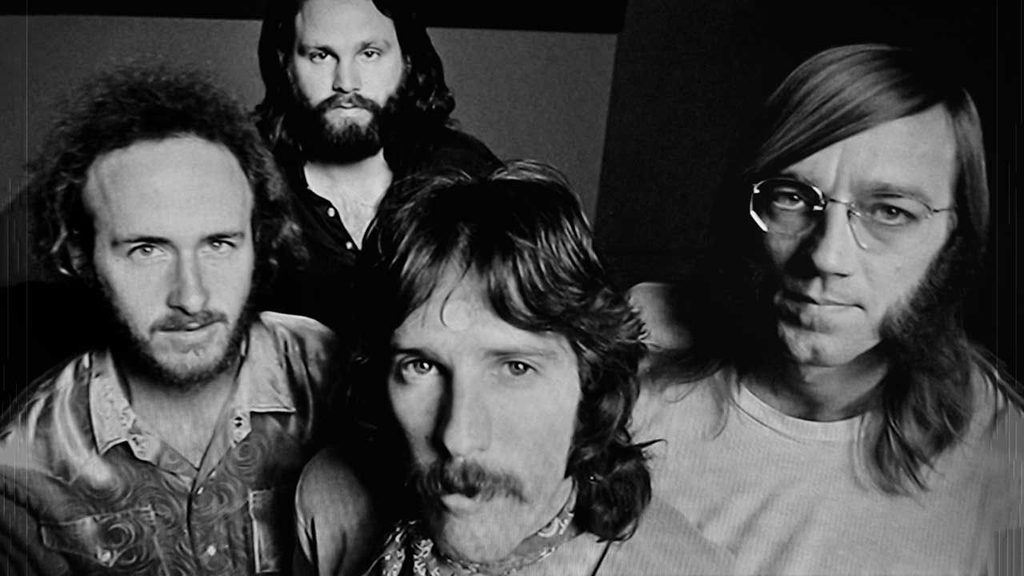
Still protective of the tapes, and not sure of what The Doors’ full intentions were, Haeny reluctantly agreed to allow Manzarek, Krieger and Densmore to hear the recordings but only if they agreed to a series of strict conditions. The listening session would happen at Haeny’s home with only he, Manzarek, Krieger and Densmore present. He would only play the tapes once with no stops or rewinding. He also told them that no copies of the tapes would be made and the only way he would release the tapes was if they were used to complete Morrison’s poetry album and that he would have to be involved as the primary producer of the project. The Doors agreed to these terms and assembled together at Haney’s home to hear the tapes for the first time. I can’t imagine the emotions which must have been in that room as The Doors listened to the voice of the friend they never got to say goodbye to on those tapes. With Morrison at his rawest, the tapes may have been one of the purest documents he had left behind.
Well, things must have gone well because it was decided by Haeny and The Doors that they would work together to finish the poetry project. But, what is surprising is that initially The Doors were hesitant to reform with one another to create new music for the album. Their original thought was to use the original Doors catelouge as the musical background, but Haney encouraged them to write brand new instrumentals for Morrison’s words reasoning if there were any musicians that could enhance Jim Morrison’s poetry properly, only they could do it. In this regard Haney was right, and “An American Prayer” would end up being a combination of new music composed by The Doors which captured the spirit of their classic era, with throwbacks to old favorites including “Riders on the Storm,” Peace Frog,” The End,” “Blue Sunday,” The Wasp (Texas Radio and the Big Beat)” and “The Unknown Soldier.” Despite their reluctancy to create new music, The Doors fell right back into their classic groove, creating a dynamic while maintain the distinct vibe that were creating when Morrison was with them as their front man, while incorporating the evolved musical styles that they had developed during their Post-Doors projects throughout the 1970’s.
One of the most emotional musical moments on the album had The Doors performing Tomaso Giovanni Albinoni’s Baroque masterpiece “Adagio in G Minor” over Morrison reading his poem “A Feast of Friends” at the finale of the album. Originally The Doors had played with “Adagio in G Minor” during “The Soft Parade” sessions, but they were never able to find a place for their powerful rendition of the classical piece. Manzarek would revisit it himself in “The Golden Scarab,” but including “Adagio in G Minor” with Morrison’s voice was an inspired idea and not only captured the tone of the poem, but The Doors music as a whole.
Organizing the spoken word tracks together, The Doors pieced what could be perceived as a linear narrative of Morrison’s life. The first part would center on Jim Morrison’s childhood, with the second being his teenage years attending military school. The third part would be about him as a “stoned poet,” followed by part four which would delve into his musical career with The Doors. The fifth and final part, which would be the emotional coda, would be “a final…summation of the man’s life and philosophy.”
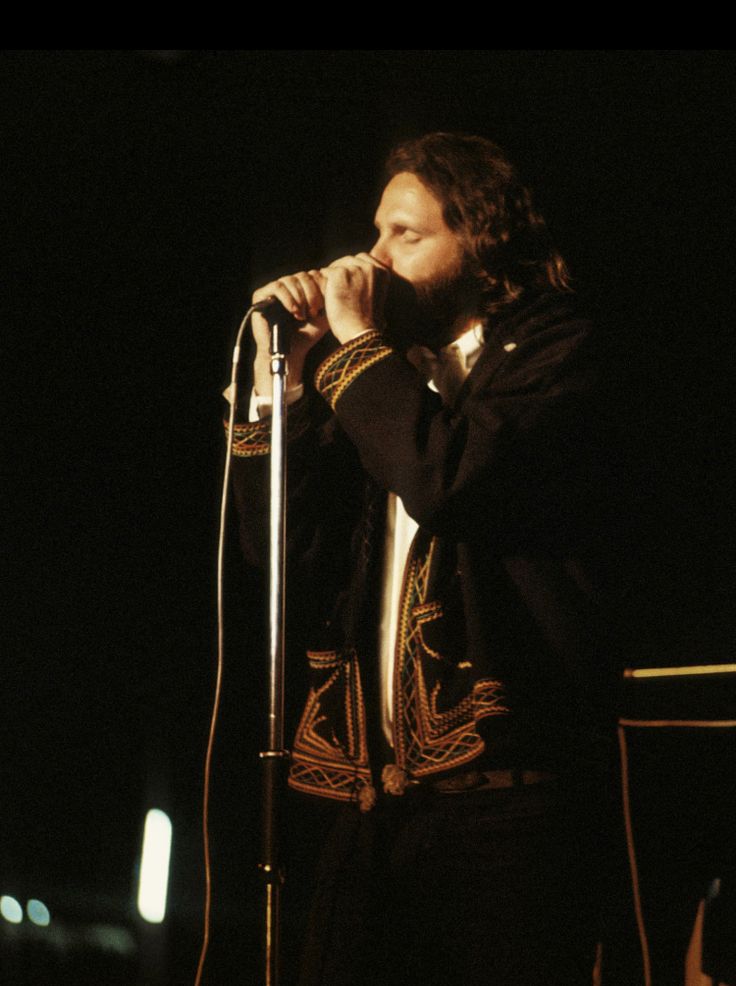
However, for the project to be a reality, Haeny and The Doors needed to get the cooperation of the Morrison and Courson families as per the terms of the legal agreement over Morrison’s estate. Ironically, this didn’t prove nearly as difficult as feared, although there would be a few bumps. As there were no clear-cut biographical details within the contents of the album, Admiral Morrison gave his blessings quickly and was fairly hands off the project, but Corky Courson maintained an interest in overseeing the project. With harsh feelings towards members of The Doors, who he believed had intentions of cutting Pam out of the royalties, he would only communicate with Haney, but the two quickly formed a good relationship and Courson was rather easy to work with. However, one spat between Coulson and The Doors did take place. In part four of the album, The Doors wanted to feature an unreleased concert performance of The Doors performing the Them classic “Gloria.” However, due to Morrison improving some disturbing sexual lyrics at the conclusion of the song, Courson felt that it was disrespectful to the memory of his daughter and refused to agree to the inclusion of the track. The Doors were outraged, but Haeny stepped in and found a reasonable compromise that smoothed over the flames. Discovering a previous unreleased live performance of “Roadhouse Blues” that was left over from the “Absolutely Live” sessions, it became a live track all parties could agree on. Having heard both tracks, I believe that the use of “Roadhouse Blues” was the best option for the album. The live version of “Roadhouse Blues” would go on to become one of the most recognizable live Doors performances of all time, while the sexual vulgarity in “Gloria” has not aged well, becoming even more garish over time.
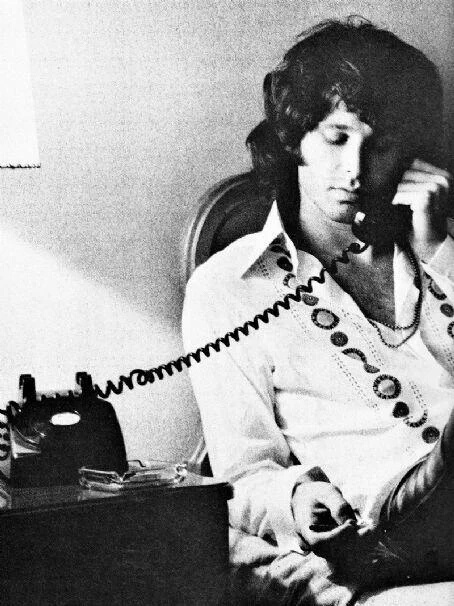
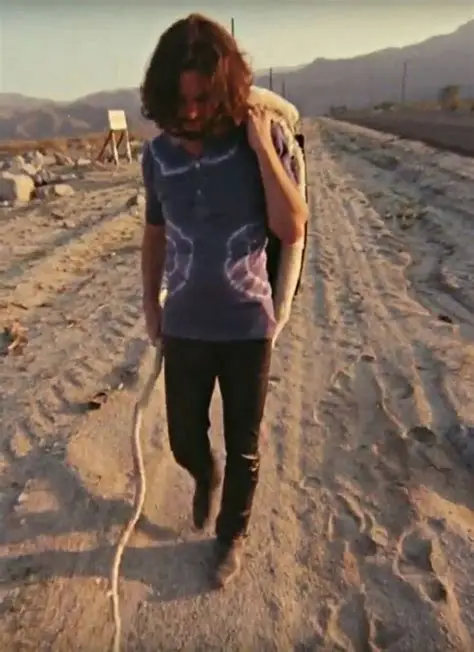
In the process of creating their soundscape, Haeny and The Doors went far beyond the two poetry sessions and and brought together additional unreleased recordings to create a virtual kaleidoscope of Jim Morrison’s life. Unheard by the public at the time, many of these additional sound bites are now recognized as classic Jim Morrion moments by modern fans, and became important parts of his legacy. Amongst a series of tapes labeled “The Endless Night Sessions,” Haney found Morrison talking about his childhood, and telling the story of seeing the injured Indigenous workers on the highway after a collision that had deeply affected him the remainder of his life. Morrison would revisit that moment in his song “Peace Frog,” as well in his poem “Ghost Song.” The team also used material from Morrison’s obscure film “HWY” using a sequence where he called his friend Micheal McCure to tell him that he had killed a guy while hitchhiking in the desert. This section of tape would create future false speculation that Morrison had actually committed a murder, and that it was in fact a true confession instead of a scene from an obscure independent film that few people have ever seen.
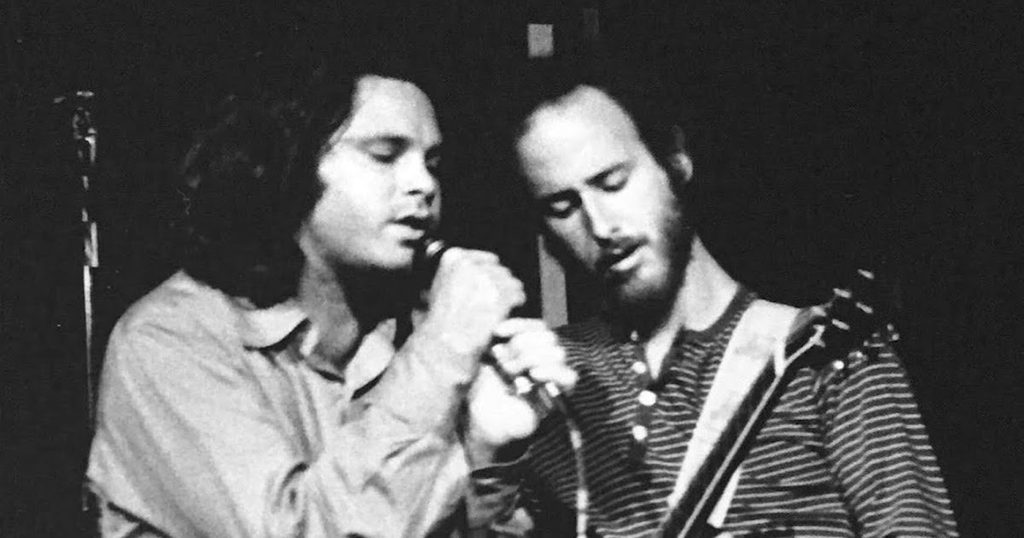
But one of the most interesting bits of tape included was the addition of an original blues song Morrison had written which had never been professionally recorded in the studio. The song, titled “I Will Never Be Untrue” was written by Morrison for Pam Coulson, and was performed by The Doors during a number of live shows. This Morrison original had a sound that was so dipped in the old-time blues tradition that many listeners believed it to be a cover by Muddy Waters or Robert Johnson, not realizing it to be something that Morrison had written himself. The recording used on “An American Prayer” was from a bootleg tape made in May 1969 when Jim Morrison and Robby Krieger attended a benefit to help finance Norman Mailer’s failed run for mayor of New York City. A spirited little song, Morrison’s unpolished vocal performance is spot on, and he sings perfectly alongside Krieger’s guitar accompaniment. Although it may not be the most provocative or emotionally potent moment of the album, “I Will Never Be Untrue” is a true example of the treasures that Haeny and The Doors were bringing to the forefront for the first time.
After months of additional recording, editing and mixing, “An American Prayer” was ready for release. It was agreed that Jim Morrison would be the focus of the album, and no photos of The Doors would be featured on the album at all. The album would also be unique as the only one to be credited to Jim Morrison as a solo performer, with “Music by The Doors” being added as a subline. This was irregular as during his lifetime Jim Morrison hated when people referred to the group as “Jim Morrison and The Doors,” often refusing to participate in interviews or appearances when an unsuspecting member of the media referred to the band that way.
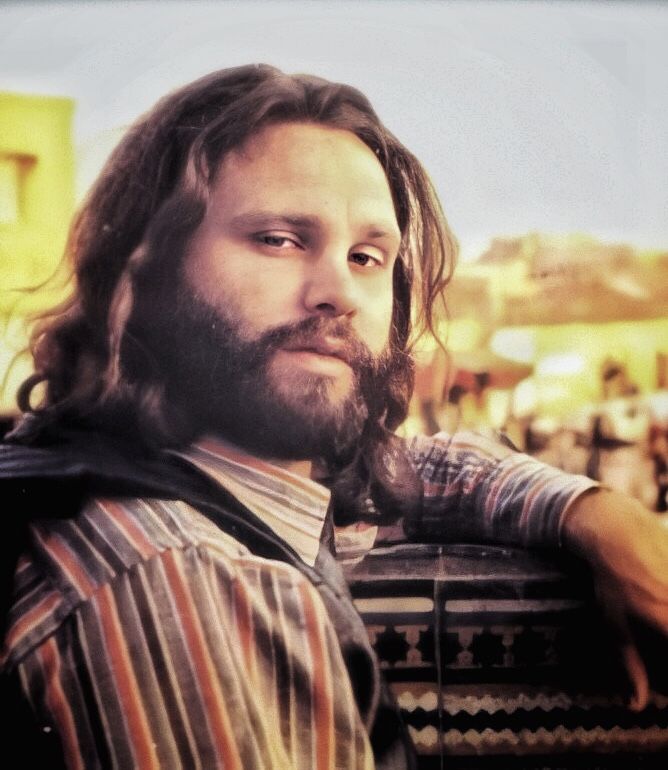
For the album cover a photo of Morrison from a 1969 photo shoot by Edmund Teske taken at the Los Angeles’ Bronson Caves was used. Sporting the same mountain man beard that he had on the “LA Woman” album cover, the image may have seemed like an odd choice for the album, but it embodied the Jim Morrison which recorded the initial “American Prayer” tapes in 1969 and 1971 and seemed to be a fitting choice to the production team.
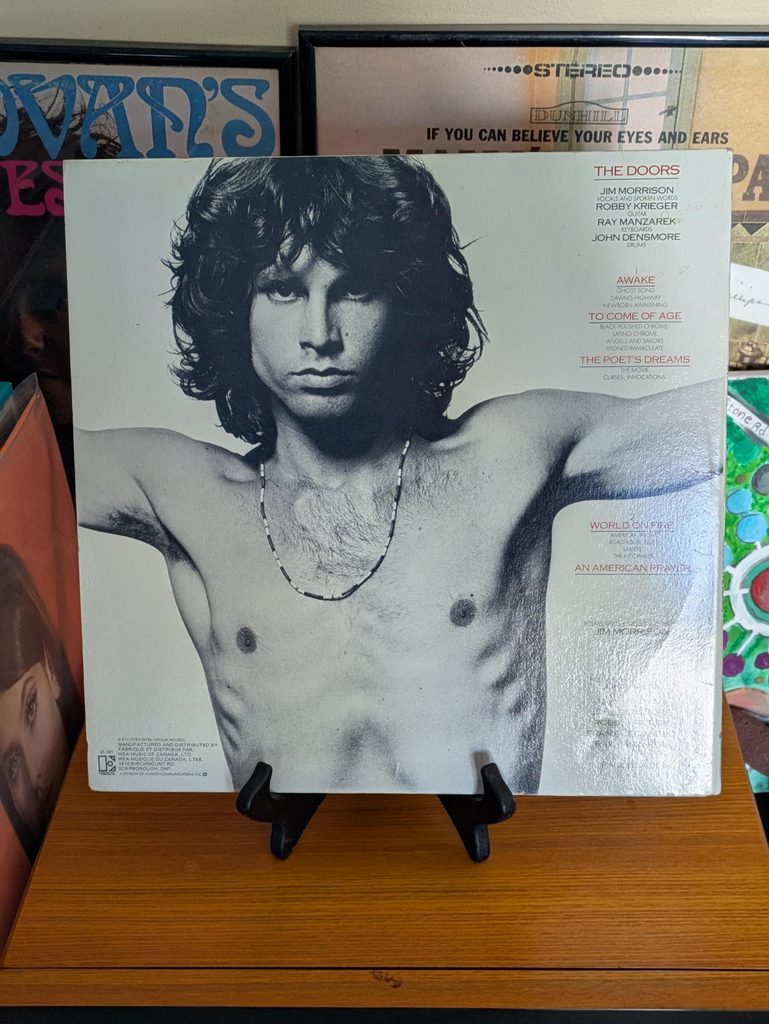
However, the back cover would sport a more traditional photo by using the now iconic image of Morrison captured by photographer Joel Brodsky in what is known as his “Young Lion” photo shoot. Photographed in 1967 during The Doors first trip to New York City, a shirtless Jim Morrison reaches his arms outstretched in a crucified position, emulating the emaciated figure of the Christ. A provocative and extradentary erotic image, this would become the most famous photo of Jim Morrison of all time and would be reused over and over again on countless number of products, projects and covers.
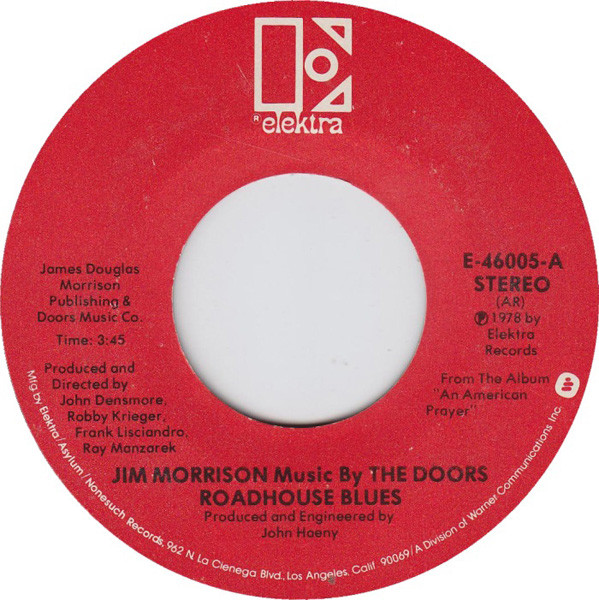
“An American Prayer’ was finally released to the unassuming public on November 17, 1978, with little expectation or ceremony. It really was an album that the public wasn’t asking for, and nobody probably thought that they needed. However despite the fact that The Doors were completely out of the cultural zeitgeist, “An American Prayer” would prove to be a surprising success. Within months the album had sold approximately 250K copies, making it the highest selling spoken word album at that time. The live performance of “Roadhouse Blues” was released as a single and got frequent airplay on commercial stations putting The Doors back on the radio for the first time in years. But the album’s greatest achievement was getting nominated for a Grammy in the category of “Best Spoken Word Album,” making it the only album by The Doors ever to be nominated. It would ultimately be beat by actor John Gielgud’s “Ages of Man,” but time would prove which of the albums would become the more important. I mean, who the hell is John Gielgud anyways?
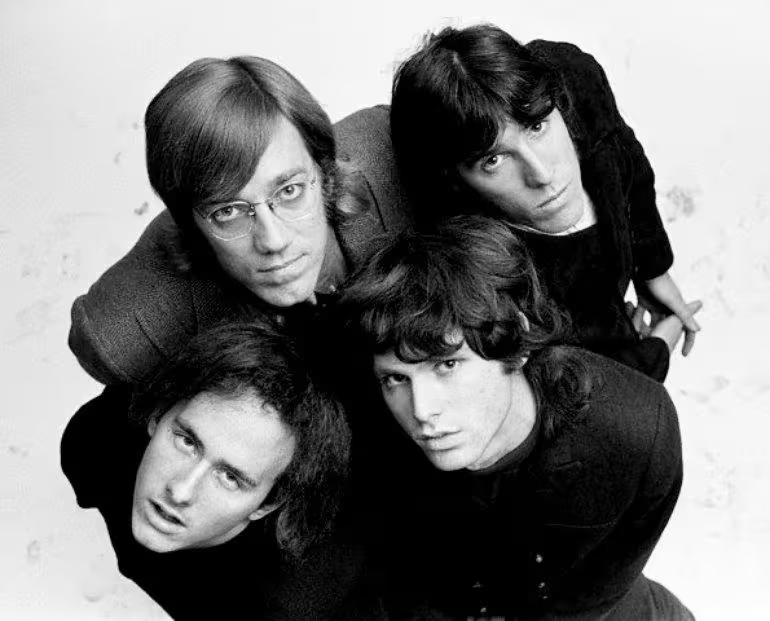
But the release of “An American Prayer” would prove to have a far more significant impact on the cultural landscape than John Haeny or The Doors could have ever imagined. “An American Prayer” would prove to be released at the perfect time to bring The Doors back into the mainstream and catapult them high into the stratosphere of rock n’ roll iconisim while creating a mythical Jim Morrison who seemed to manifest into sort of fallen rock God! The rise of The Doors out of the ashes of obscurity could have never been calculated and instead was a combination of perfect timing and dumb luck. After years of being ignored and dismissed, The Doors were about to climb into the hollowed halls of rock iconisim at long last.
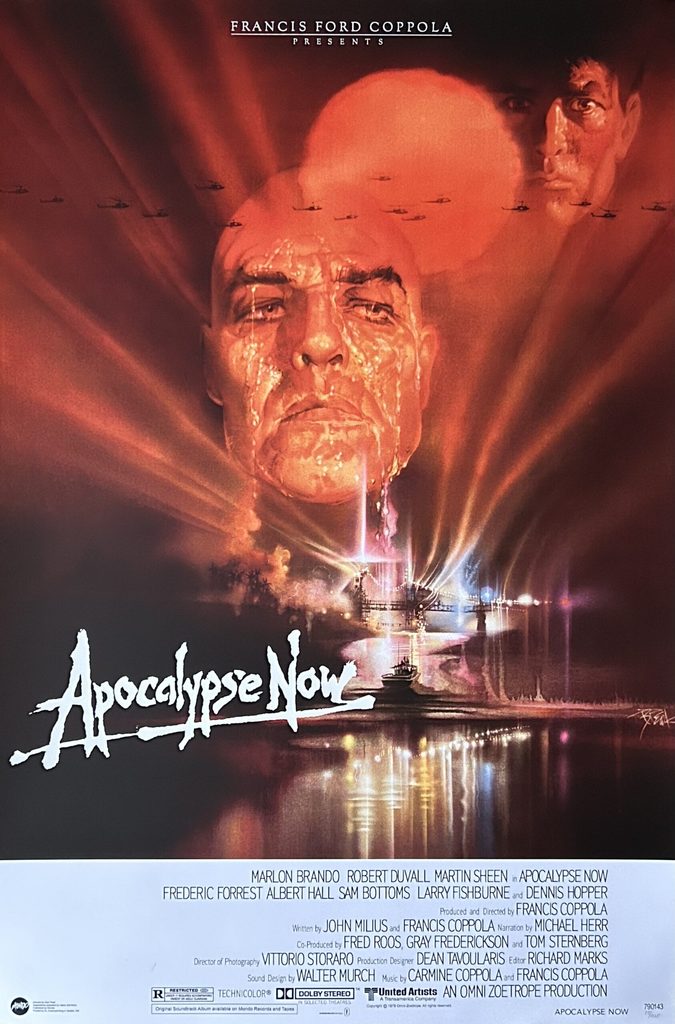
Six months after the release of “An American Prayer,” director Frances Ford Coppola released his epic film “Apocalypse Now” and effectively featured The Doors’ haunting dirge “The End” in the intense opening sequence of the movie. Initially a deep cut from The Doors debut album, “The End” was a provocative favorite amongst Doors die-hards, but for the most part it was never popular amongst mainstream audiences. However, Coppola’s use of “The End” heightened the song’s notoriety in the collective soundscape, while creating even more reinterest in The Doors.
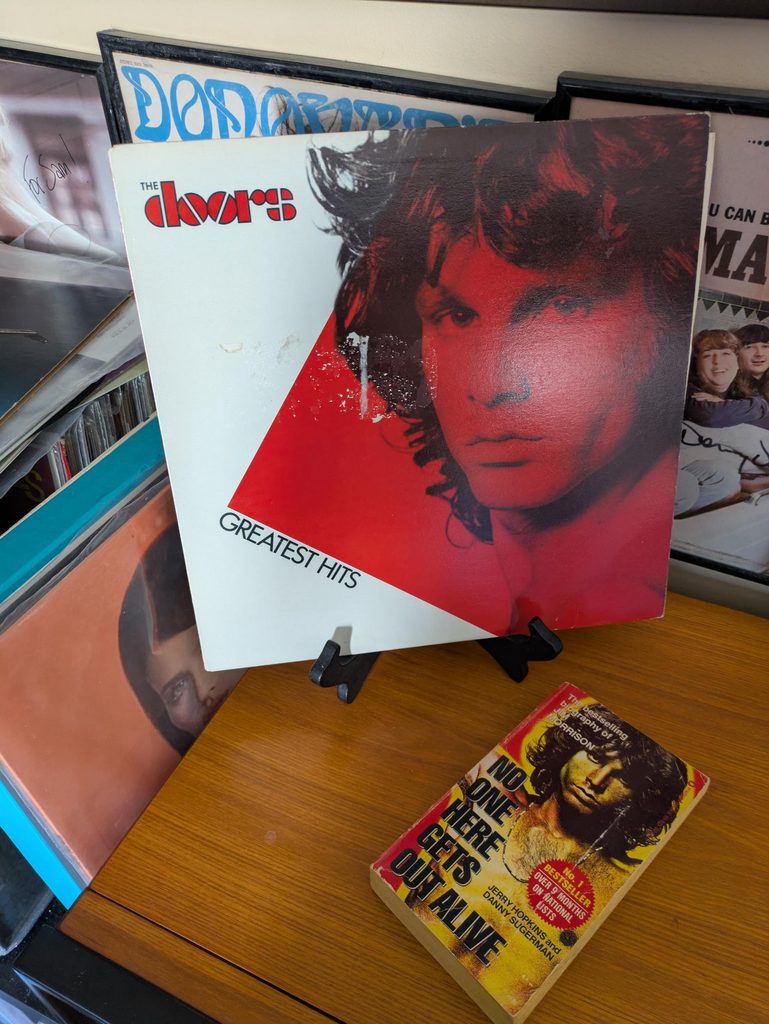
In 1980 Rolling Stone editor Jerry Hopkins, alongside The Doors’ long time associate Danny Sugarman, released their book “No One Here Gets Out Alive.” The first official biography of Jim Morrison, the book was a fascinating look into the life and legend of Jim Morrison, revealing his story to the public for the first time while increasing his mythological status. An instant best seller, “No One Here Gets Out Alive” sold millions of copies and quickly ascended to the top of the New York Times Best Seller list. Devoured and shared by a new generation of disenchanted youth that weren’t old enough to remember when Jim Morrison died, “No One Here Gets Out Alive” became required reading for moody teenagers worldwide and is still considered one of the best music biographies of all time. In conjunction with the book, a new Doors collection, “The Doors Greatest Hits” hit record stores. The first Doors compilation to appear on shelves since 1973, the album quickly became a staple in record collections as one of he best selling Greatest Hits albums of all time.
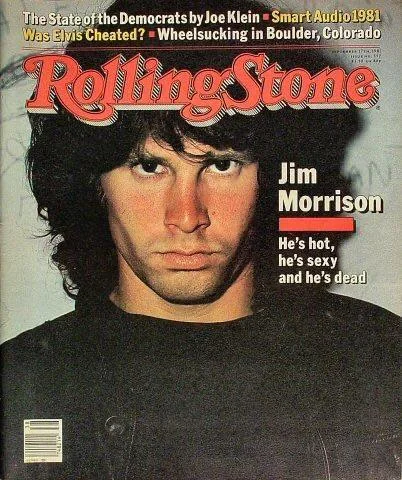
In 1981 Jim Morrison was featured on The Rolling Stone for the second time (the first had been in the July 1969 issue in which his poem “An American Prayer” first saw publication). Accompanying a photo taken by Gloria Stavers during her days as editor of 16 Magazine, the headline read “He’s hot, he’s sexy, and he’s dead.” Inside was a well written discourse on the reinterest in The Doors by 1980’s teenagers and on Jim Morrison as a modern sex symbol, as well as a look into the current machine involved in marketing the band. Danny Sugarman was interviewed for the article and talked about securing the licencing for The Doors and the creation of the first official Jim Morrison merchandise. He also gave the first mention of film studios looking to adapting Jim Morrison’s story into a movie.
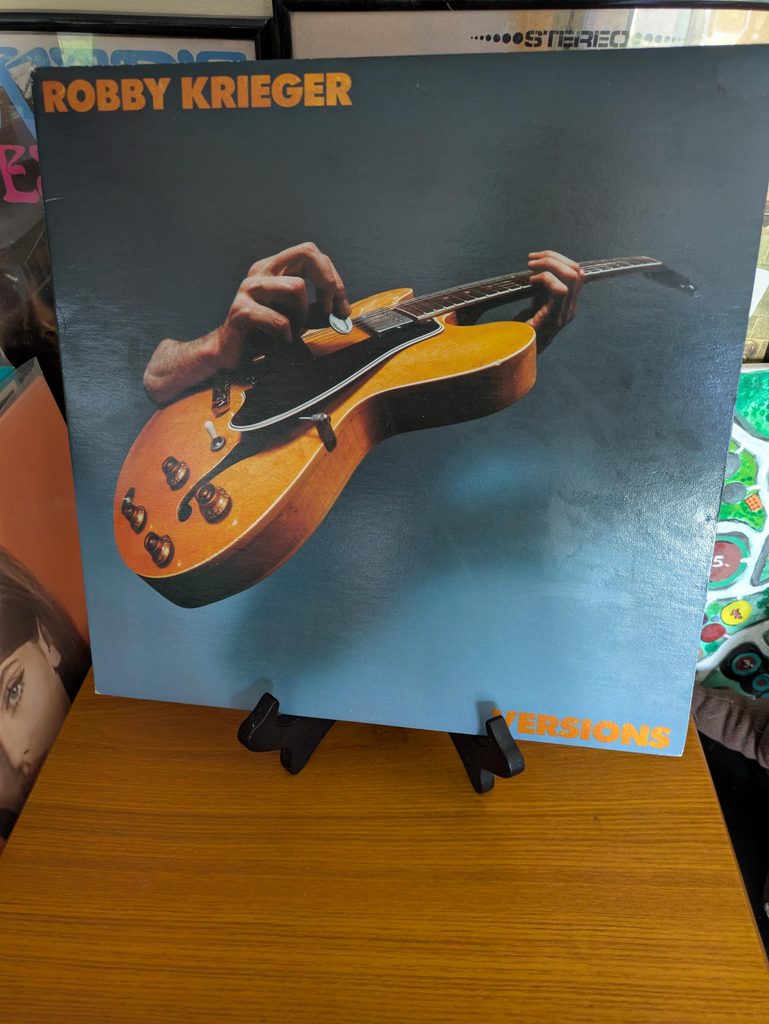
In 1981 Ray Manzarek, Robby Krieger and John Densmore reunited once again to record a pair of tracks for Krieger’s solo album “Versions.” This included a new instrumental version of The Doors classic “The Crystal Ship,” and a brand-new song written by Krieger titled “Her Majesty.” Although Manzarek, Krieger and Densmore would come together on many occasions in the decades to follow, these would be the final studio recordings that the group would ever release as a trio.
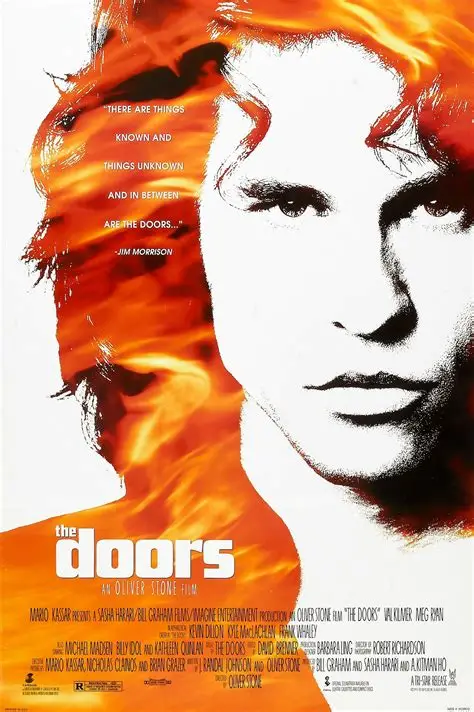
In 1985 Columbia Pictures finally secured the rights to Jim Morrison and The Doors’ story and put a Doors biopic into production. Although it’d spend years in development, director Oliver Stone was immediately connected to the project. Going through different rewrites and casting changes over the next number of years, the film finally went into production in 1988 and featured Val Kilmer as Jim Morrison, Kyle McLaughlin as Ray Manzarek, Frank Whaley as Robby Krieger, Kevin Dillon as John Densmore and Meg Ryan as Pamela Coulson. Released with much anticipation and hype in March 1991, the film was a massive success, endearing The Doors to a third generation of rock n’ roll fans and creating a wave of interest in the group unlike anything that had ever been seen before. To coincide with the film all of The Doors’ classic albums were rereleased on both cassette and CD for the first time, and Jim Morrison’s image was seen on everything from t-shirts and posters to coffee mugs and refrigerator magnets. Bigger than every before, by the time that The Doors was inducted into the Rock n’ Roll Hall of Fame in 1993, they were now not only one of the best-selling bands in the world but considered one of the greatest bands of all time! Manzarek, Krieger and Densmore were finally recognized as elder statemen in American music, while Jim Morrison was literally exhausted to the status of being an iconic legend. Still today Jim Morrison is one of the most recognized and distinguishable rock icons of all time.
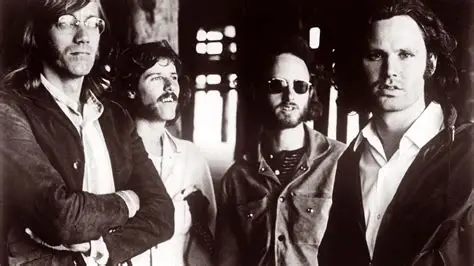
Although not considered one of the classic albums in The Doors library, “An American Prayer” may have been the most important in bringing The Doors back into the musical landscape, and relighting the fire that allowed them to burn so brightly at the end of the 1970’s. The entire way we view The Doors today – their legend, their legacy and, of course, the mystery of their enigmatic lead singer – is all a result of that spoken word album Jim Morrison sought to make, and the foresight of his former bandmates and the producer who protected his vision to finish his poetry project years after he was gone. Still a provocative listen nearly fifty years after it’s release, “An American Pryer” is more than just the final words of Jim Morrison. It proved to be a new beginning for The Doors’ as a whole, and opened the doors to rock n’ roll immortality.