Jim Morrison sang a lot about endings. On The Doors 1967 debut album Morrison invited listens to “Drive the freeway to the end of the night” and then concluded the album with his epic composition “The End,” where he bellowed “This is the end, beautiful friend. This is the end, my only friend, the end.” On their follow up album, “Strange Days,” Morrison wrote “When the Music’s Over” where he exclaimed “When the music’s over, turn out the lights. Turn out the lights. Turn out the lights.” On “LA Woman,” Morrison philosophically stated, “The future’s uncertain and the end is always near” in the group’s blues-rock anthem “Roadhouse Blues,” before lamenting “It’s all over, for the Unknown Solider.” But when the end ultimacy came for The Doors, Jim Morrison wasn’t there to spin his special type of dark poetry on the event. He had been dead for nearly two years, and while his bandmates – Ray Manzarek, Robby Krieger and John Densmore – made a bold and valiant attempt to carry on without him, by 1973 it seemed that, at least for now, The Doors had finally come to the end of their “Moonlight Drive.” But before they were finished, they had one more album to make, and one more hit to chart. But this time there wouldn’t be any dramatic howls, psychedelic overtones or Oedipusian monologues. Instead the end of The Doors came in the form of a low buzz by a pesky insect.
Their final studio album, “Full Circle” seems to be The Doors release that time forgot. As the most “unDoorsiest” Doors album of them all, the album has primarily gone disregarded and ignored since it’s release over fifty years ago. Even compared to “Other Voices,” which it often gets lumped in with it, “Full Circle” seems to have less lore to it. It’s not that it’s a bad album. I mean, it’s fine. But after doing the impossible by rising out of the ashes of Jim Morrison’s sudden death in July 1971, “Full Circle” became the first album by The Doors in which the ghost of “The Lizard King” wasn’t hovering over the music. In their attempt to regroup and reinvent themselves, by the time “Full Circle” went into production, The Doors seemed to have strayed a little too far away from the sound which made them famous.
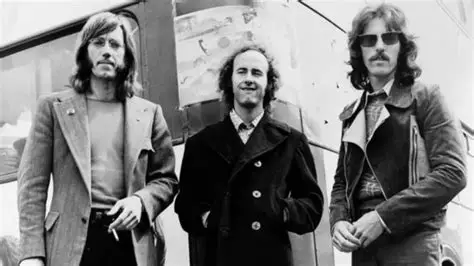
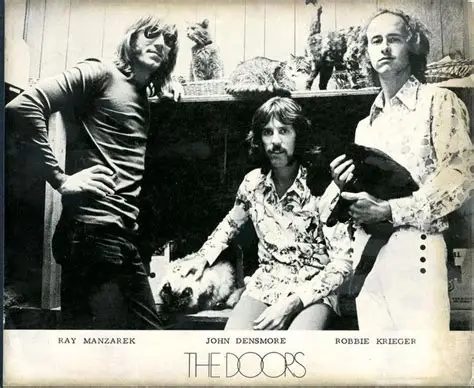
But while no Doors fan has ever said “’Full Circle’ is my favorite Doors release,” the album isn’t without it’s merits. “Full Circle” is an interesting look at what The Doors might have been if Ray Manzarek hadn’t ran into Jim Morrison on Venice Beach that fateful afternoon in 1965 and had asked him to hang out with his band. It is also a document of where Ray Manzarek, Robby Krieger and John Densmore’s personal musical trajectory was heading, and how they were evolving as musicians in a post-Jim Morrison world. However, what also becomes evident in “Full Circle” is that they were no longer heading in the same direction. Without that special element which Jim Morrison brought to the band, “The Doors” would ultimately fall apart.
Although it might seem like a sort of musical after thought in retrospect, when The Doors began work on “Full Circle” it had the potential to be a new beginning to a new era of The Doors. Having defied the odds by releasing “Other Voices” only months after Jim Morrison’s death, The Doors seemed tighter than ever as a musical unit. Although Jim Morrison proved impossible to replace, The Doors still believed in their own abilities as musicians, and with nothing left to lose, sought to prove that they could still be a band without their enigmatic lead singer. However, in the end, the success of “Other Voices” was debatable. Selling far fewer copies than any of their previous albums, the record didn’t produce any top 40 hits, and Ray Manzarek and Robby Krieger’s lead vocals were just far too different than the dark haunting vocals Morrison provided.
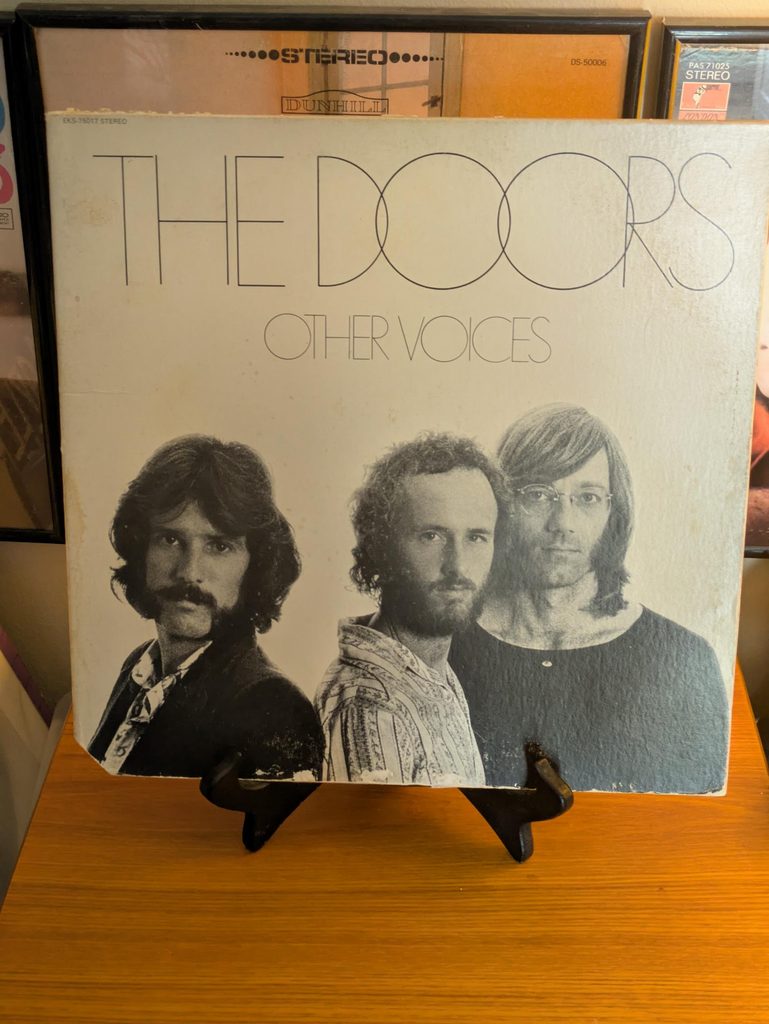
But, as far as their label Elektra Records was concerned, “Other Voices” performed far better than they had ever imagined it could. As far as everyone had been concerned, The Doors were left for dead the day Jim Morrison died. So, when “Other Voices” managed to reach the #31 position on the Billboard sales charts, Elektra felt optimistic about the Doors’ future. Taking the trauma that Manzarek, Krieger and Densmore had gone through over 1971 into account, they treated “Other Voices” as a debut album of sorts and knowing that the classic era of The Doors with Jim Morrison was over, they still had high hopes for future albums and more hits if and when the “new” Doors won over the public, and signed Manzarek, Krieger and Densmore to a new contract without Jim Morrison for the next two years. (for more “Other Voices” read our Vinyl Story “The Doors – Other Voices (1971)”).
But the reason that The Doors were able to create “Other Voices” so fast was that the majority of the tracks on the album were being prepared prior to Morrison’s death, and they were intended to eventually be sung by him upon his return from France. As a result, the music on “Other Voices” still had The Doors stamp on them, and it extended out of the music that the band had created on their previous album, “LA Woman.”
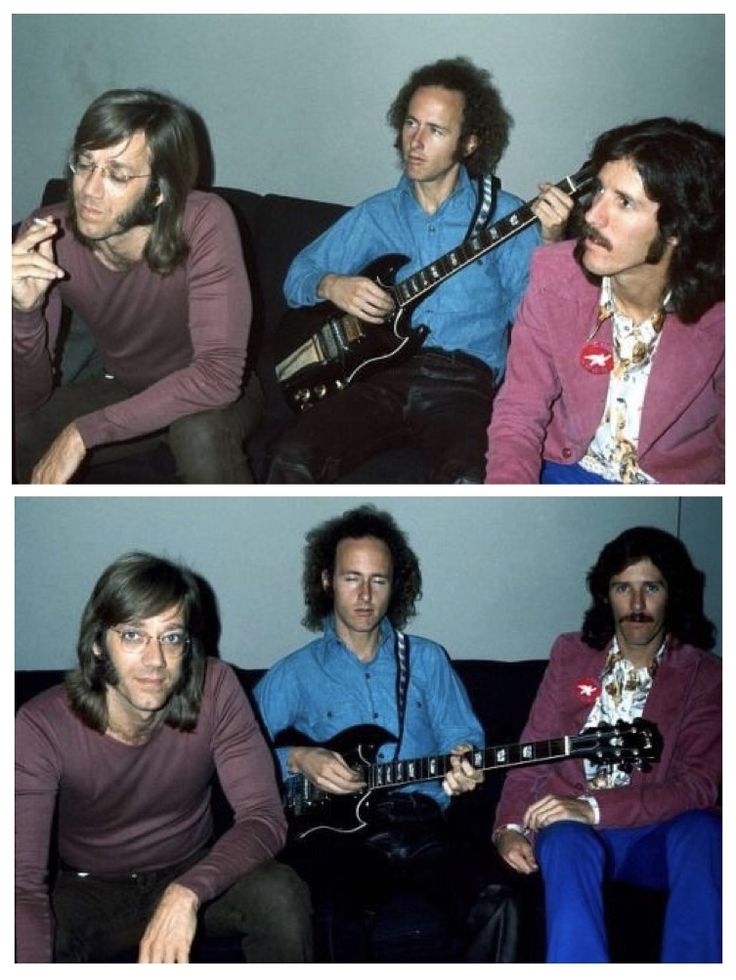
So, when “Other Voices” was completed, The Doors kept writing new music, but for the first time since the band’s formation they weren’t writing music for Jim Morrison to sing. This allowed the group to evolve in new directions, reaching past the dark and moody poetry which became their hallmark, and delve into their own interests, such as Latin music, jazz and rhythm and blues. But while this was an attractive prospect for a group of seasoned musicians like The Doors, evolving too far from the elements that excited their fanbase would ultimately prove the band’s undoing.
After returning from a European tour to promote “Other Voices” in early 1972 (their first since the cancelation of their 1970 tour when Jim Morrison was arrested for vulgarity in Miami), The Doors were ready to get back in the studio with new music and new ideas. Leaving the studio space in Santa Monica where they had produced their previous albums, The Doors moved into the A&M Studios in Hollywood, and looking for a bigger sound, brought in a host of session players and musician friends to flesh out their music in new ways.
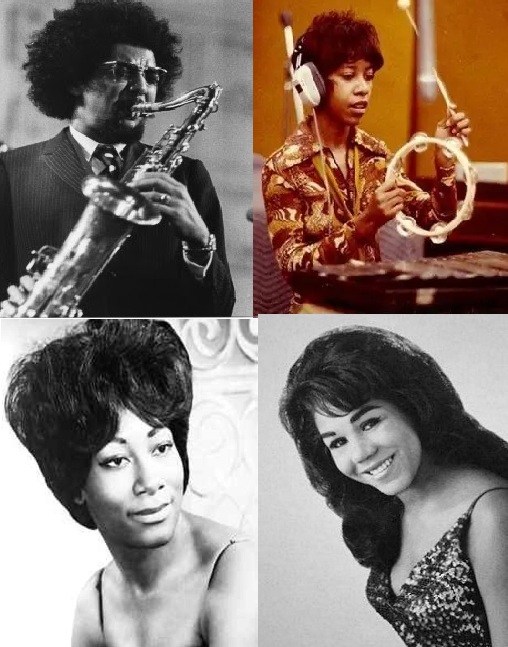
Now bringing in guest musicians was not a first for The Doors. They had very successfully added both jazz musicians and a symphonic string and orchestral section to their 1969 album “The Soft Parade,” creating some of their most exciting music while keeping in step with The Doors sound. But for “Full Circle,” it seems that The Doors were searching for a more modern large band sound, such as was being created at that time by Blood, Sweat and Tears and Chicago. As a result, the music on “Full Circles” is notably different by incorporating a number of new elements that fleshed out The Doors dramatically. One of the most notable changes was the inclusion of strong bass lines provided by a number of different session guitarists, and the addition of jazz musician Charles Lloyd on saxophone. Furthermore, for the first time ever, female voices could be heard on a Doors album provided by a chorus of backing singers made up of Melissa MacKay, Venetta Fields (formerly of the Ikettes), and Clydie “Brown Sugar” King, who’d score her own hit in 1973 with “Loneliness (Will Bring Us Together Again).”
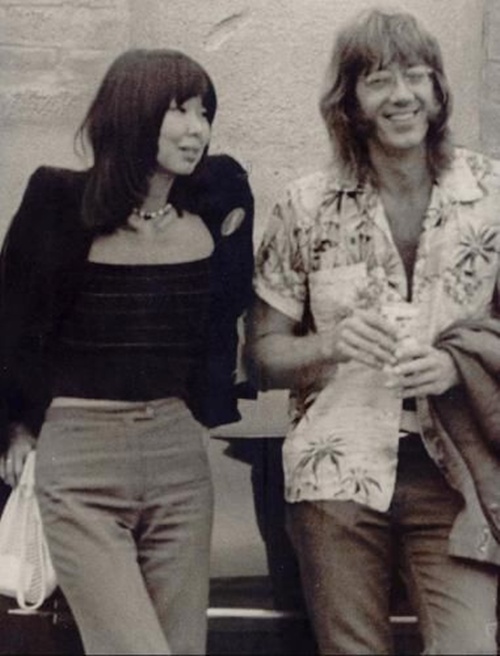
As the secondary songwriter to Jim Morrison during the band’s classic era, Robby Krieger encouraged Ray Manzarek and John Densmore to do some writing as well, relieving him of being the lone lyricist in the band. Stepping up to the plate, Manzarek brought a pair of interesting original compassions to the studio, but which were much more different in tone than anything The Doors had recorded before. Upbeat and featuring more of a jaunty “boogie woogie” style piano instead of the swirling psychedelic organ of the past, Manzarek’s compositions “Get Up and Dance” and “The Peking King and The New York Queen” were strong pieces, but a far cry from the dystopian sound that The Doors was famous for. Meanwhile, John Densmore came out strong with his first composition, “The Piano Bird,” which became one of the best songs on the album. Taking inspiration from Carlos Santana, “The Piano Bird” is a Latin influenced mind trip featuring additional percussion by African drummer Bobbye Hall, and an intoxicating psychedelic flute solo by Charles Lloyd.

But ultimately, it’d be Robby Krieger’s Mexican influenced number “The Mosquito” which would be “Full Circle’s” one and only hit, and become The Doors’ most unusual success Often thought of as the forgotten Doors his, “The Mosquito” is a strange enigma in The Doors catalogue. Never heard of it? Well, if you are familiar with “The Mosquito” or not is really a matter of your geographical location. Although completely ignored and primarily forgotten by North American fans, “The Mosquito” would have a life of its own in Europe, eventually going far beyond The Doors and “Full Circle.” In fact, according to Robby Krieger, “The Mosquito” is the second most covered Doors song after “Light My Fire,” making it a peculiar coda to the band’s legacy.
As the story goes, Robby Krieger wrote “The Mosquito” when he and his wife went down to Mexico on a getaway shortly after returning from the European tour. In a 2023 interview with Goldmine, Krieger explained how he came up with the song:
“Every night, these guys would come down from the hills, and they were a Mariachi kind of band, but without the hats and all that. These guys were just kind of regular laborers who liked to play. They probably didn’t make much money doing it, but they had this song about a mosquito, and that’s where I got the idea for the song.”
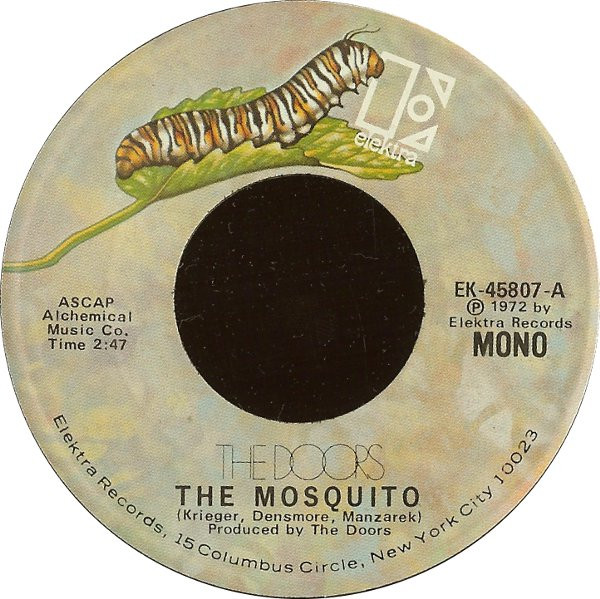
Picking his guitar in a mariachi style, Krieger wrote some farcical lyrics which he sang in a cartoonish Speedy Gonzales type voice before the full band interject with typical Doors sounding instrumental breaks. To say the least, “The Mosquito” was a far departure from his previous hit compositions such as “Light My Fire” or “Love Me Two Times”:
“No, me moleste mosquito
No me moleste mosquito
No me moleste mosquito
Why don’t you go home.
No me moleste mosquito
Let me eat my burrito
No me moleste mosquito
Why don’t you go home.”
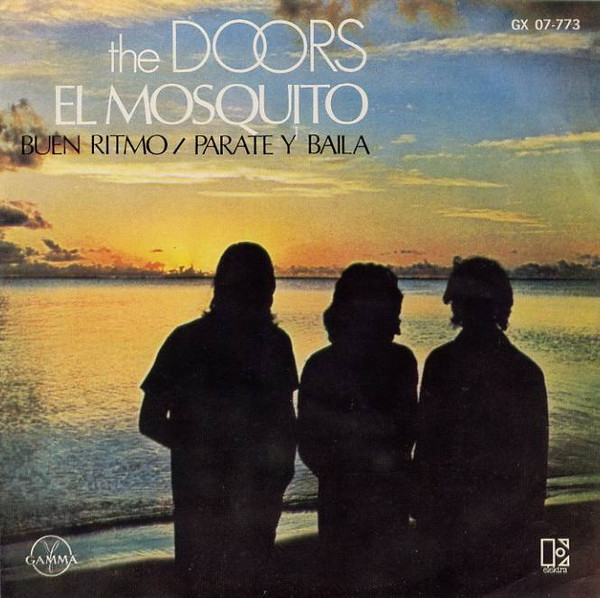
For those who don’t speak Spanish, “No me moleste mosquito” translates to “Don’t bother me, mosquito.” Basically, Robby Krieger is asking the mosquito to stop buzzing around him and let him eat his burrito in peace. More of a novelty song which might be heard on the Dr. Demento Show, “The Mosquito” is completely ludicrous in comparison to The Doors entire body of work, but something about it captured the attention of the European public. Released as “Full Circle’s” second single after “Get Up and Dance” failed to chart, “The Mosquito” became an unexpected hit in Europe, charting at #15 in Austria and Finland, #17 in the Netherlands and #25 in West Germany. But although American audiences overall ignored the track, it did manage to creep onto the US Billboard charts making it to #85 as The Doors lowest charting US single.
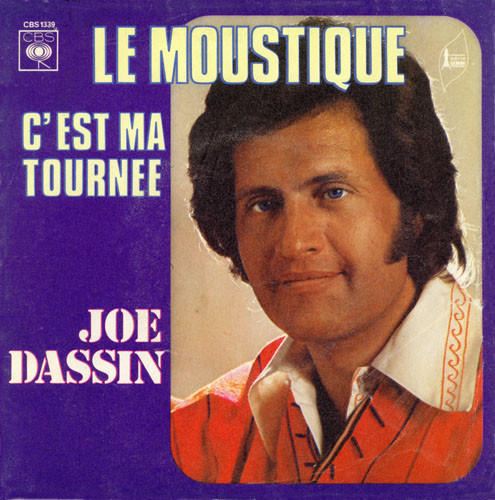
But here is the unexpected twist. In the same Goldmine interview, Krieger contemplates that the success of “The Mosquito” in Europe was became of the Spanish lyrics, but in 1973 the song would find a new life in France when it was translated into French and recorded by singer Joe Dassin. Appearing on his album “Joe,” the song, now known as “Le Moustique” was completely faithful to The Doors original recording, right down to the instrumental parts. Well, Dassin’s cover of “The Mosquito” would become a massive hit in France, topping the charts in the #10 position, and charting even higher in Belgium where it got to the #8 position. Extremely popular with French pop fans, “Le Moustique” became so iconic that many listeners didn’t even realize Dassin’s version was a cover song, let alone a song by The Doors! As a result, a plethora of covers of “Le Moustique” would be recorded by other artists over the next five decades, accounting for how it became The Doors’ second most covered song and allowing it to continue living a life on the outside of The Doors canon.
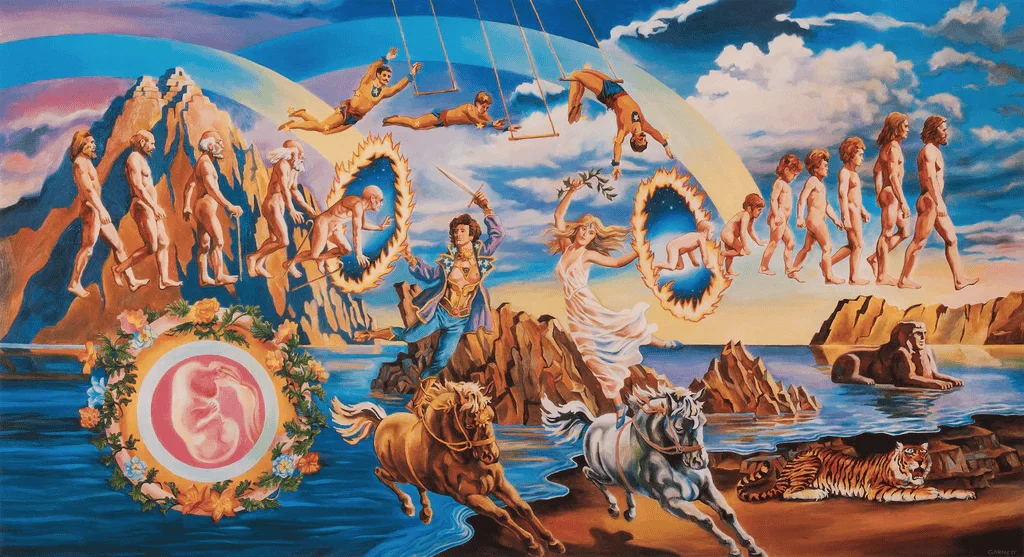
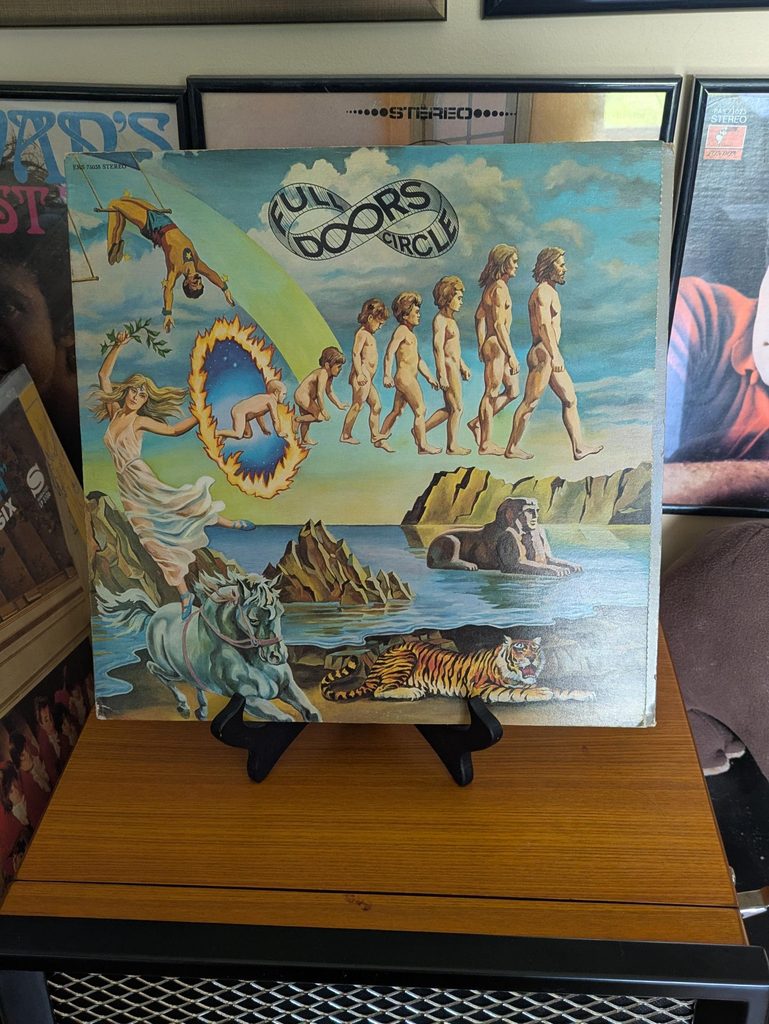
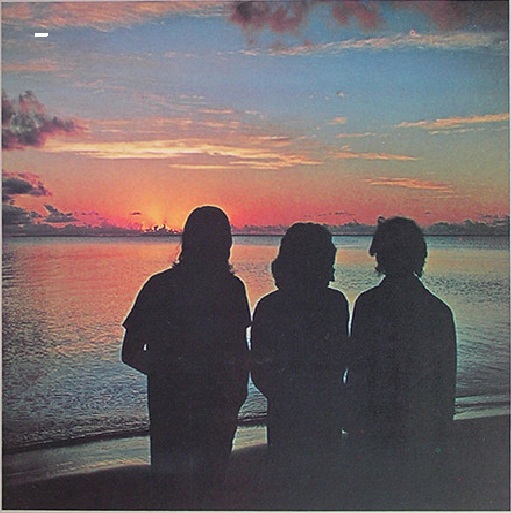
“Full Circle” was released on August 15, 1972, with a dynamic illustrated cover painted by Joe Garnett. Depicting circus acrobats, mythological deities mystical symbolism and the depiction of the life cycle, it was a very busy cover, and was notable for being the only Doors album to not picture the band anywhere (on the inside gatefold there is a photo of the band, but they have their backs turned to the camera and are silhouetted). It also came with a decretive cardboard insert that could be put on your record to create an animated illusion of the “circle of life,” (or so I’m told. I’ve never been able to find one of these carboard inserts, so I’ve never personally seen how it works).
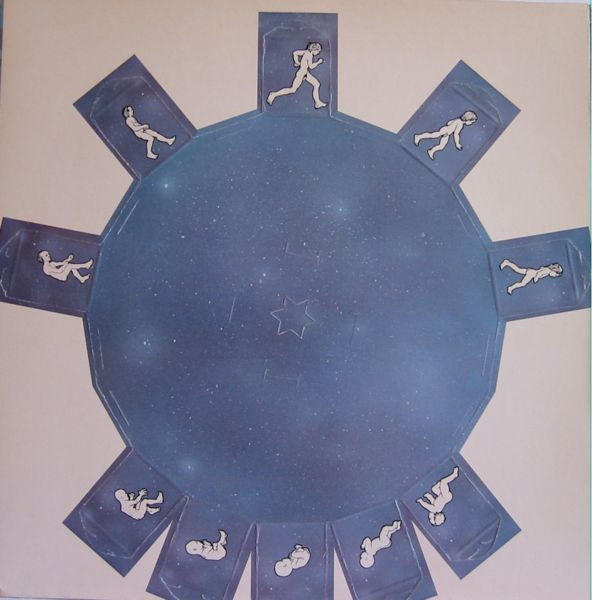
Much like “Other Voices” before it, “Full Circle” had a mixed response. Critics noted how The Doors continued to be solid musicians and that they seemed to be flexing their creative muscles by going in new musical directions. However, the disjointed nature of the album was more than evident, making “Full Circle” The Doors’ most incohesive release. But for fans “Full Circle” was just too far of a departure to the sound they had come to expect from The Doors. It was hard enough to accept the group without Jim Morrison, but now that the band seemed to be further distancing themselves from their signature sound, it seemed to further alienate the fanbase instead of creating excitement for new music. Still, “Full Circle” did manage to make it onto the Billboard Sales charts, but it’d be The Door’s lowest charting album at #68.
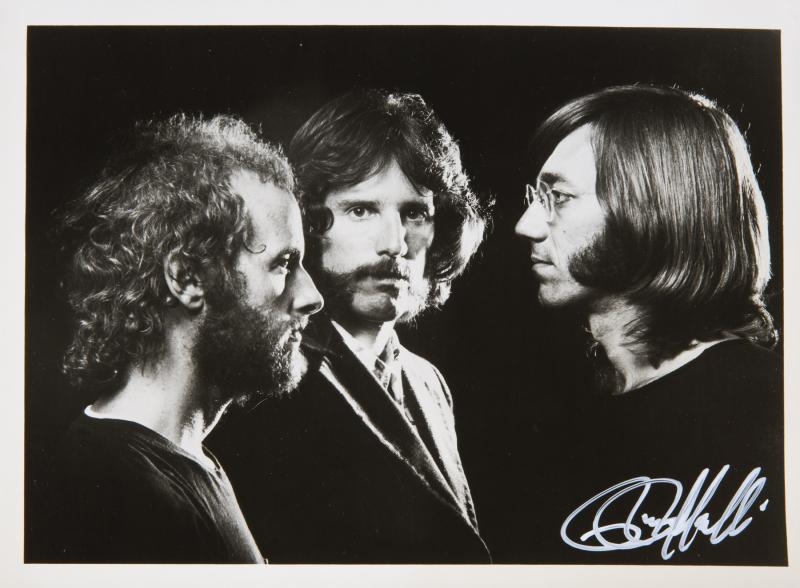
After the release of “Full Circle, The Doors went on a short North American tour with their extended band of musicians, but behind the scenes the cracks were beginning to form in the foundations of the group. The trauma bond which Manzarek, Krieger and Densmore seemed to have formed in the aftermath of Jim Morrison’s death was weakening, and disagreements on the musical direction of the group began to emerge. Manzarek wanted to lean more into jazz and electronic music, while Krieger and Densmore formed tightly as a duo who wanted to take The Doors into more of a prog-rock direction. In his interview with Goldmine, Krieger explained:
“The music was falling apart. Ray wanted to do more jazzy stuff, and John and I wanted to be more rock and roll, or hard rock. To add to the problem, Ray’s wife, Dorothy, was pregnant at the time, and she was going through some weird mental stuff, and Ray was kind of going nuts. One day he just said, ‘That’s it, I’m outta here …’ That was the end of The Doors.”
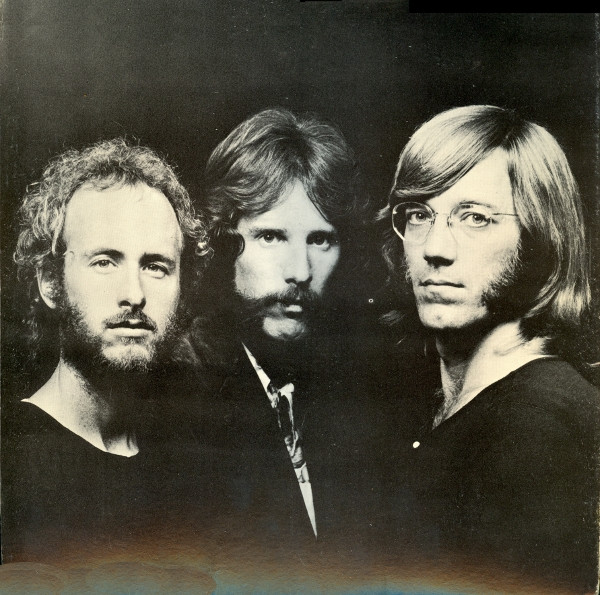
This just proves the importance that Ray Manzarek had in being the core of The Doors’ foundation. Even with no Jim Morrison, The Doors could live on, but without Ray Manzarek as the group’s core member and de facto leader, there was no Doors without him. In a 2015 interview with Uncut Magazine, Robby Krieger gave a similar account of The Doors break-up, but added that if he had not left that perhaps The Doors might have lived on:
“Ray just kinda said, ’Look, I’m outta here, I’m getting tired of this, it’s not working’…So we gave up. John and I were trying to make it work. Would we have carried on? Yeah, for sure.”
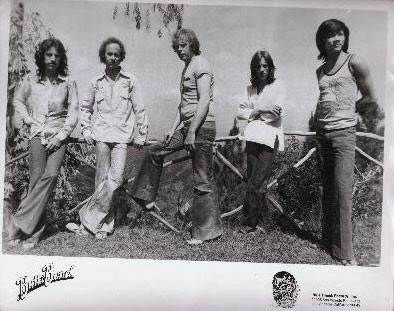
With Manzarek retreating from the group, Krieger and Densmore continued creating music together, releasing their first collaboration as The Butts Band in 1973. Despite the ridiculous name, the music that Krieger and Densmore created as The Butts Band was arguably stronger than that on both “Other Voices” and “Full Circle,” and may have been a glimpse as to where the music of The Doors could have been heading if the band had stayed together.
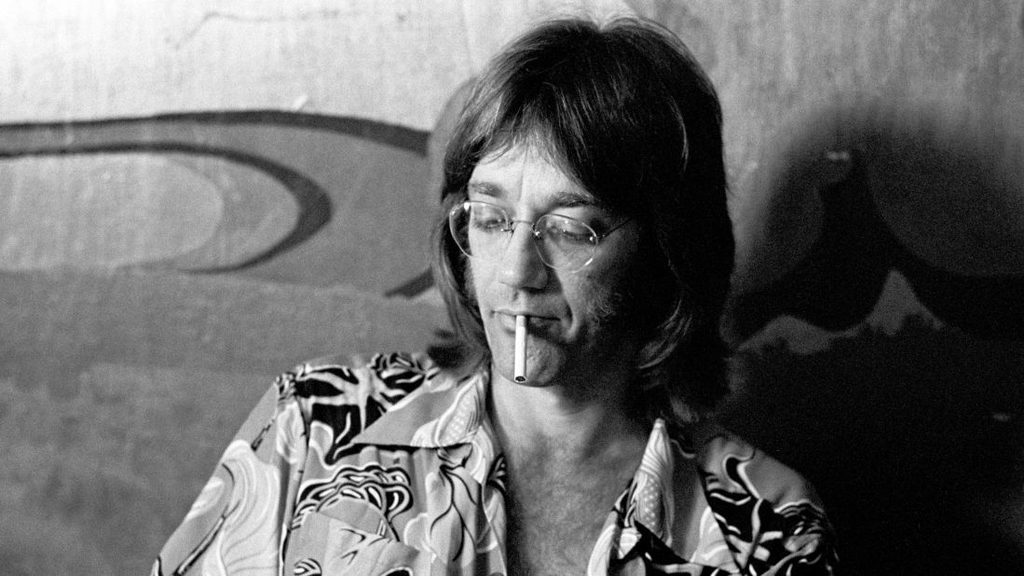
Manzarek, on the other hand, seemed to have had a far harder time separating himself from the ghost of Jim Morrison. In later projects it’d be very evident that Manzarek deeply missed the magic and mystery which Jim Morrison had brought to the studio. However, Manzarek’s attempts to revive and channel the spirit of Morrison in his later projects would ultimately flounder. Manzarek always knew that Jim Morrison was an extremely rare kind of artist, who could never be replaced. Eventually Manzarek would spend his life keeping The Doors alive by creating a more mythical Jim Morrison for the public to consume, lifting the group into the collective consciousness as being one of the most legendary rock bands of all time.
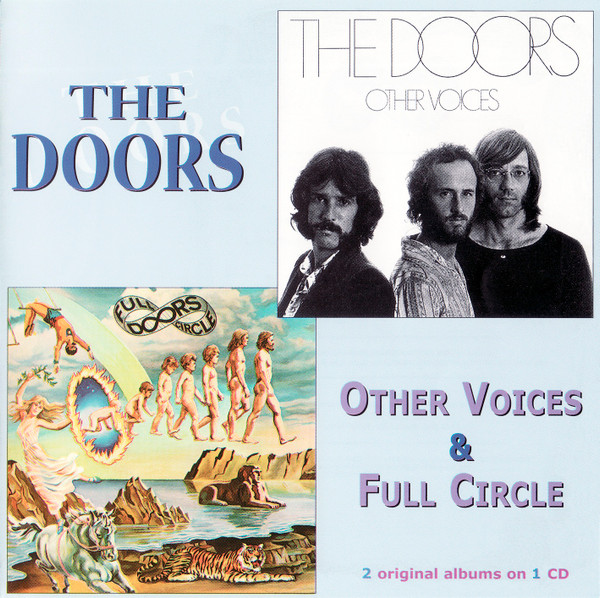
In regard to the future releases of “Full Circle,” it has found itself lumped in with “Other Voices” as after thoughts in The Doors catalogue. Virtually buried and disregarded by not only the music industry, but the band themselves during The Doors renaissance in the 1990’s, which came via Oliver Stone’s successful 1991 biopic, “Full Circle” did not get released on CD or cassette tape, and nobody seemed to be talking about the album at all. It would eventually see the light of day when it was released alongside “Other Voices” on CD in 2006 in Europe. Eventually Rhino Records gave “Full Circle” it’s first rerelease on 180-gram vinyl in 2015. But “Full Circle” has never really been a rare record to find, and I’ve seen it everywhere in record shops and shows, and even occasionally at flea markets and thrift shops. For those who want it to complete their Doors collection, “Full Circle” is a very easy album to find.
When the end finally came for The Doros, nobody seemed to notice. It didn’t come with any high drama or battles or announcements or press conferences. When the new contract with Elektra expired in 1973, The Doors just let it die out and they seemed to fade away without the world watching. However, while it might have seemed like the final end, time would prove that it wouldn’t be forever. Things might have seemed to have come “full circle,” but in reality, The Doors legendary status was just beginning.