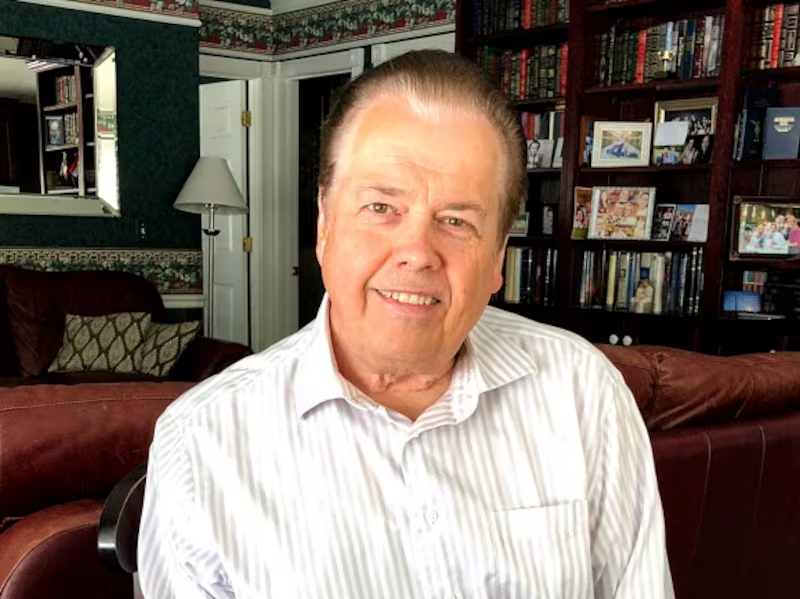
The Osmonds have always been a touchpoint entertainment act throughout my entire life, and I’ve been aware of them even before I was old enough to form long term memory. A big part of this is because I was born in the mid-1970’s when The Osmonds were highly visible throughout the entire decade via nearly every form of media. But possibly the bigger influence in putting The Osmonds on my earliest cultural radar was that my Uncle Dale was a massive Osmond fan. He loved The Osmonds so much that it went beyond basic fandom but became a pivotal part of his personality. In fact, my favorite memory of being with Uncle Dale was the time I went to visit him and he proudly showed me his scrapbooks filled with photos, clipping and souvenirs of everything Osmond, including the many cards and letters he had been sent over the years from the various Osmond fan clubs he belonged to, and photos of the time that he got to meet The Osmond Brothers after a concert in the 1990’s. Although I know that I wasn’t the only family member that sat with him to look at these beloved mementos, I suspect that I was the only one that had a working knowledge of The Osmond Family, and not only did I find his scrapbooks interesting, but I loved his passion for The Osmonds and their music. While the rest of my family definitely knew that Uncle Dale loved The Osmonds, they might be surprised to know that I own the majority of The Osmond’s 1970’s era vinyl in my collection as well. Some might call me a “closet” Osmond fan, but that wouldn’t actually be accurate because if you walk through our house, you’ll find Osmond collectables completely out in the open on display.
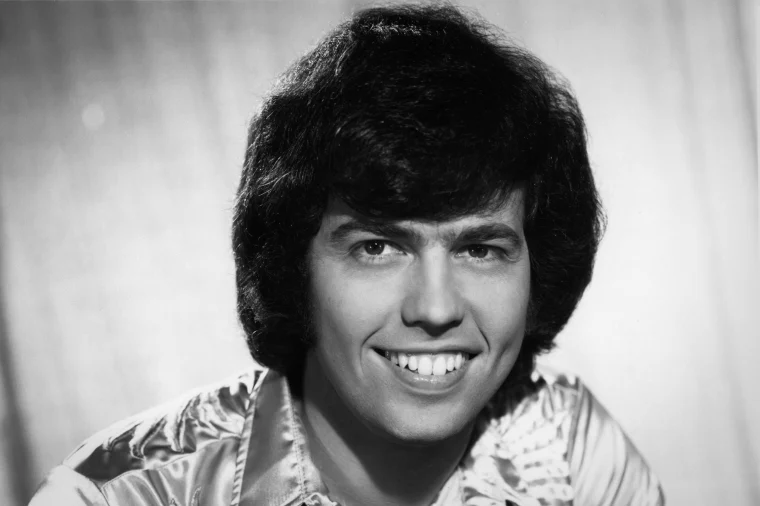
In April 2026 we lost Uncle Dale, and the Osmonds were so much a part of his life story that his obituary even mentioned them in it. But as we prepared to say goodbye to our beloved family member, The Osmonds themselves were going through their own loss. Two days after our Uncle Dale passed away at age 70, Alan Osmond died at age 76. The third son of George and Olive Osmond, Alan was the oldest of the singing brothers, and the unofficial “leader” of the group. I discovered Alan had died via a social media post by Merrill Osmond who wrote:
“My dear friends,
Two days before my brother, Alan, passed, I was blessed to sit quietly with him. We talked as brothers do, heart to heart. He was struggling, but when I shared a joke or two, he found the strength to chuckle… and then he smiled. In a tender moment I will never forget, he leaned close and whispered something into my ear. He said, “Merrill, you and I worked side by side. We created, we produced, we directed… we gave our hearts to ‘The Plan’ with Wayne. Please… do something with it. Let people know what we were trying to say.” I want you to know, his request will be honored.”
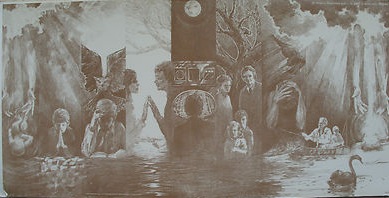
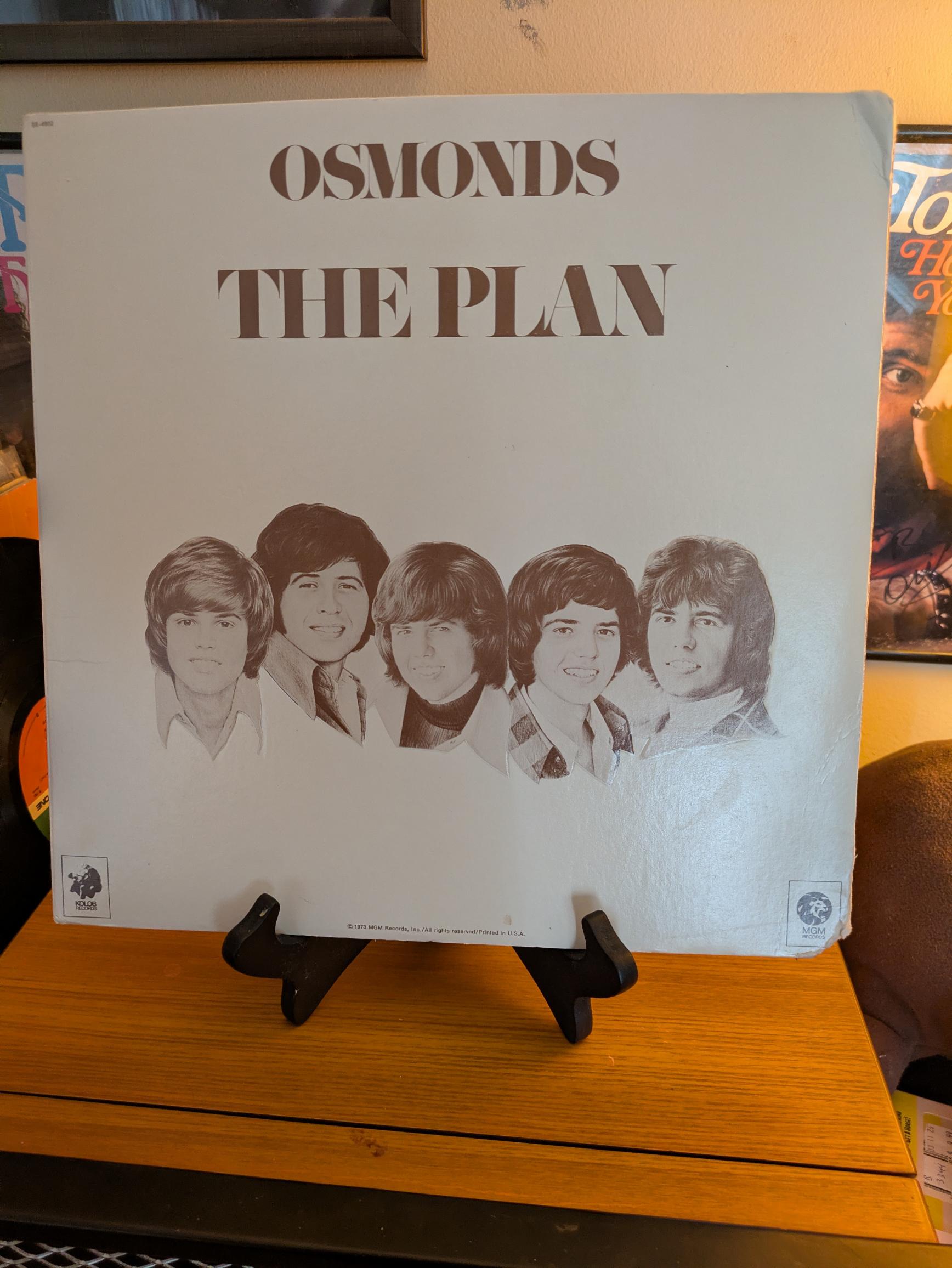
Although released in 1973, I was touched that in his final days Alan Osmond was still thinking about “The Plan.” Easily his magnum opus, “The Plan” is possibly the best album ever released by The Osmonds. An ambitious concept album outlining the core message of their Mormon beliefs, “The Plan” defies all popular beliefs about The Osmonds sound and brand, in which The Brothers attempted to completely break from their bubble-gum mold and prove themselves as gifted musicians and songwriters. Although the meaning and the message of “The Plan” is not aligned with my own beliefs, I have always recognized the creative quality hidden in “The Plan,” which is why I have championed The Osmond for years as one of the most misunderstood musical groups of the 1970’s.
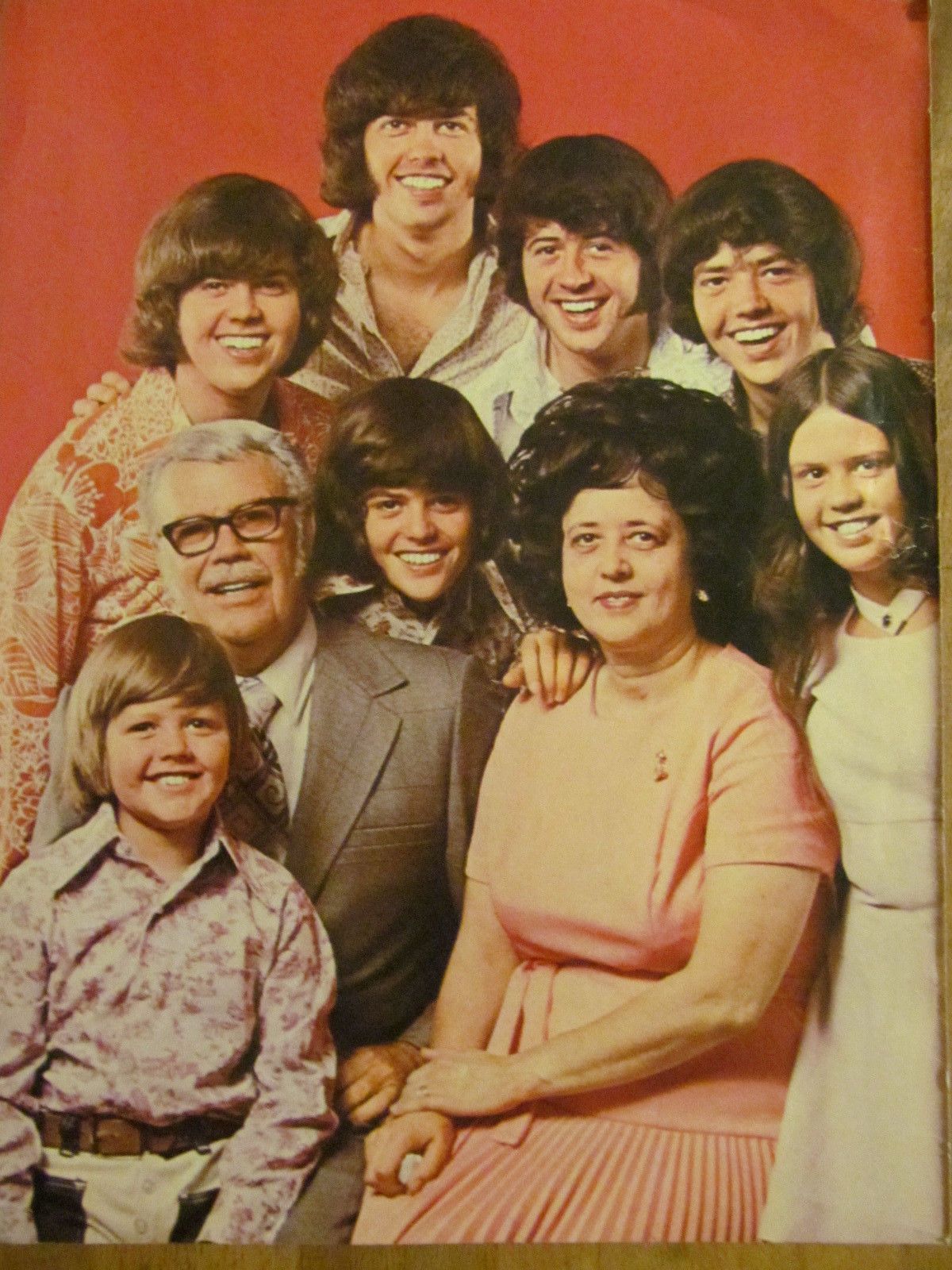
At the risk of damning my soul, let me take a moment to be very transparent. When it comes to contemporary Christian based music, which essentially is what “The Plan” ultimately is, I have little tolerance for the genre. It’s not that I don’t like religious themes in music. Who doesn’t love The Byrds’ “Turn, Turn, Turn,” The Edward Hawkins Singers’ “Oh Happy Day,” or George Harrison’s “My Sweet Lord.” I am in the camp that believes Andrew Lloyd Webber and Tun Rice’s “Jesus Christ Superstar” is a masterpiece, I can be emotionally moved by Mahaliah Jackson records, and I even find Jelly Roll’s “Whittsill Chapel” to be a surprisingly inspirational listen. My favorite religious “deep cuts” are “The Lord’s Prayer” by real life Australian nun Sister Janet Mead, “The Story of Isaac” by Leonard Cohen and “Jesus Revolution” by French boy’s choir Les Poppys. So, yeah, religion and pop music can be done well. But, in regard to seriously evangelical modern Christian pop music, I often feel that the artists performing that stuff are so up into their own wholesomeness and overzealous salvation that it comes off as being pretentious and unauthentic. As an entire genre, I find it annoying and unlistenable.
But with that said, I think “The Plan” is something unique in regard to religious based albums. Although it is distinctly evangelical, it’s like a “trojan horse” disguised in a bubble-gum wrapper by containing relatable themes and marketable music that can be interpreted in various ways by the wider audience far beyond the Mormon church. Written primarily by Alan, with help from his brothers Wayne and Merrill, “The Plan” is less of an ego trip and, instead, becomes a chronical of The Osmonds’ own personal search for salvation and universal understanding, while passing along their personal religious convictions to their unassuming fanbase of primarily pre-teen girls. Whether “The Plan” succeeded in its holy mission would be debated, but as an album, “The Plan” manages to be an often-overlooked gem.
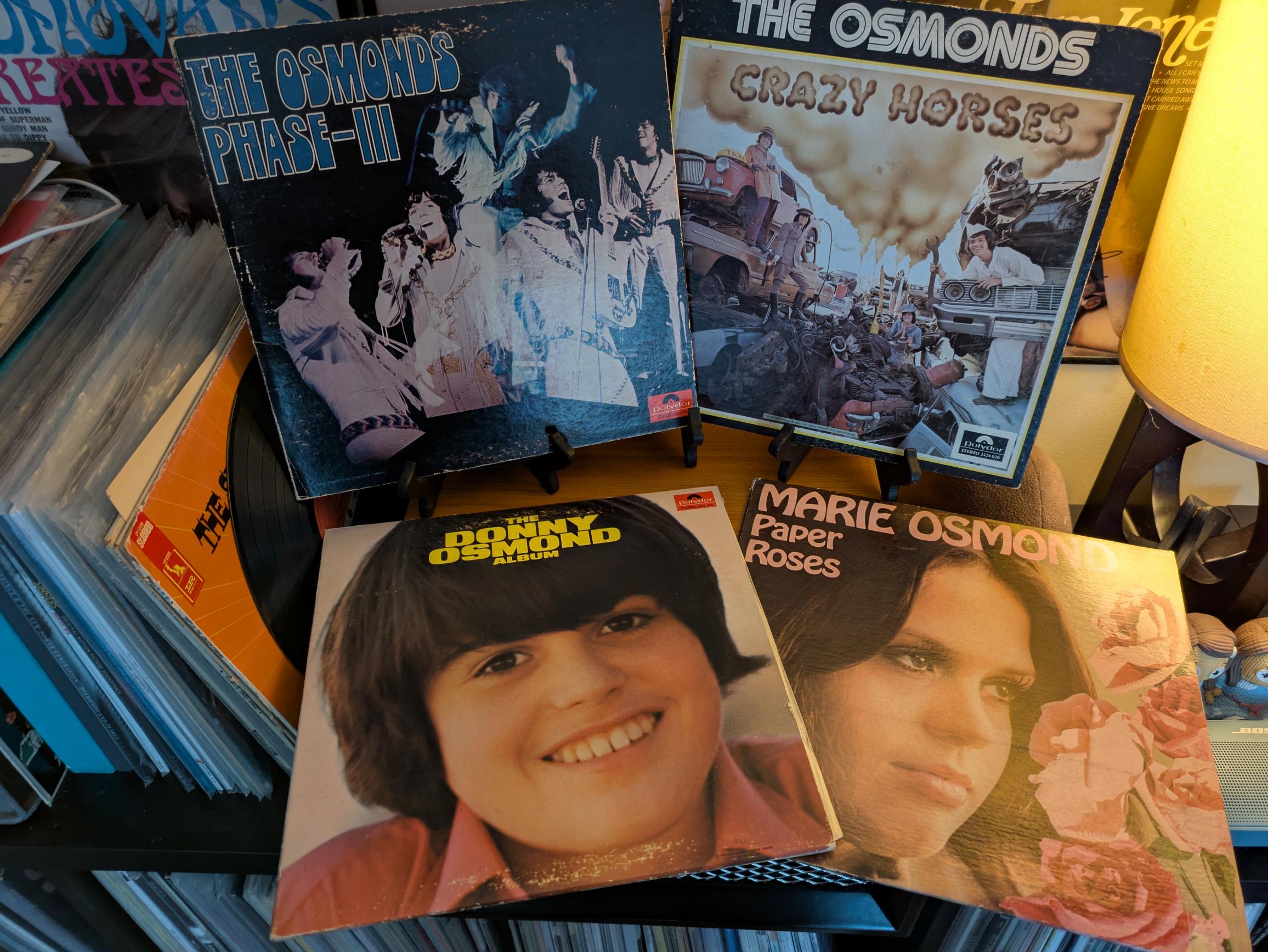
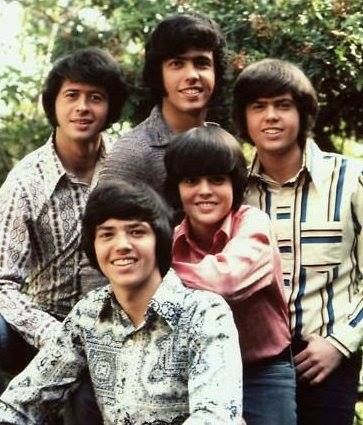
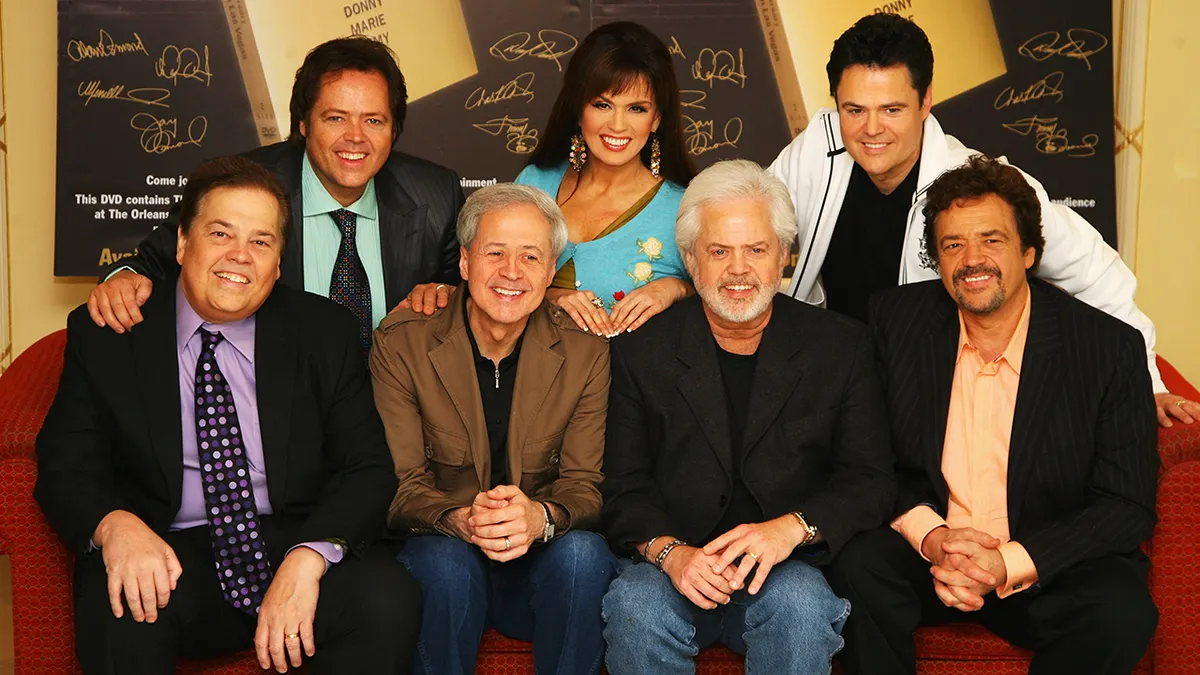
No matter what you’re understanding or thoughts about The Osmonds’ legacy in showbusiness is, at the beginning of the 70’s the Utah based group were no longer just another pop band but were quickly becoming its own family-based entertainment empire. Having been in the entertainment industry since their first appearances as young boys on “The Andy Williams Show” in 1962, The Osmond Brothers, consisting of Alan, Wayne, Merrill, Jay and Donny, had shed their easy listening/barber shop harmonies in 1971 and had gone full pop, topping the charts with their first number one hit “One Bad Apple.” Favorites with teen-girls worldwide, within two years The Brothers had scored a string of hits, and in an unexpected move had crossed over into hard rock territory when they wrote and performed the “Deep Purple” inspired “Crazy Horses,” which became an international hit during the summer of 1972.
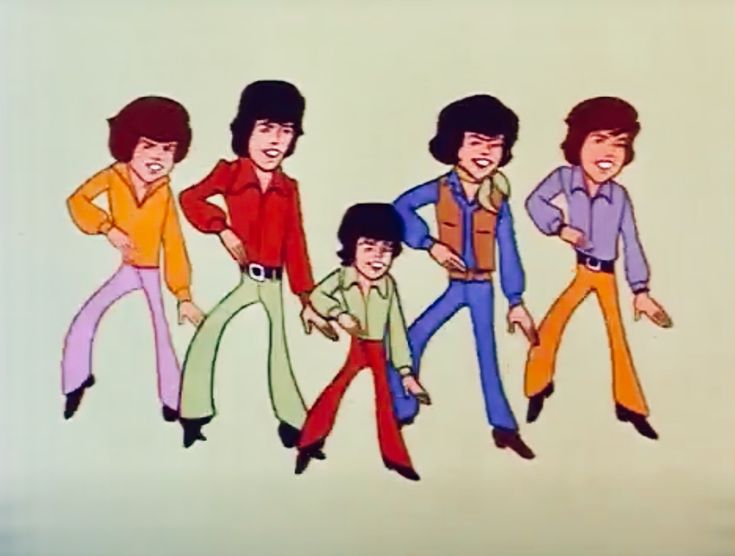
But The Osmond Brothers were just the tip of the iceberg in conquering the entertainment industry. As the most popular of the group, Donny had worked his way to the top of the teen idol hierarchy, which led to him launching his own successful solo career in 1971, amassing a second string of his very own top hits. But what often goes overlooked is that at the same time that Donny was topping the charts as a solo act, youngest brother Jimmy Osmond, at age seven, had made his show business debut during The Osmonds’ tour of Asia. By the time he released his own novelty single “Long Haired Lover From Liverpool” in 1972, he was already a sensation in Japan. Of course, there was one more musical Osmond in the wings, and the lone Osmond sister, Marie, would be making her musical debut in 1973 when “Paper Roses” would become a rare cross genre hit, going to #5 on the Billboard Charts, and all the way to #1 on the Billboard Country Charts (Donny and Marie would release their first album as a duo a year later in 1974). The Osmonds even had their own seventeen episode Saturday Morning cartoon series produced by Rankin/Bass Productions premier on ABC-TV in September 1972. So having conquered the Billboard charts in multiple countries as both a group and via solo projects, it’s easy to say that by 1972 The Osmonds were arguably one of the most successful musical groups in the entire world.
Yet, despite their pop star fame, The Osmonds remained an entertainment anomaly during the hedonistic 70’s by leaning into their devout Mormon faith. Via the ever-present watchful eyes of their parents, who overlooked every aspect of their career closely, The Osmonds maintained their clean-cut image as not just a gimmick, but as an honest way of life.
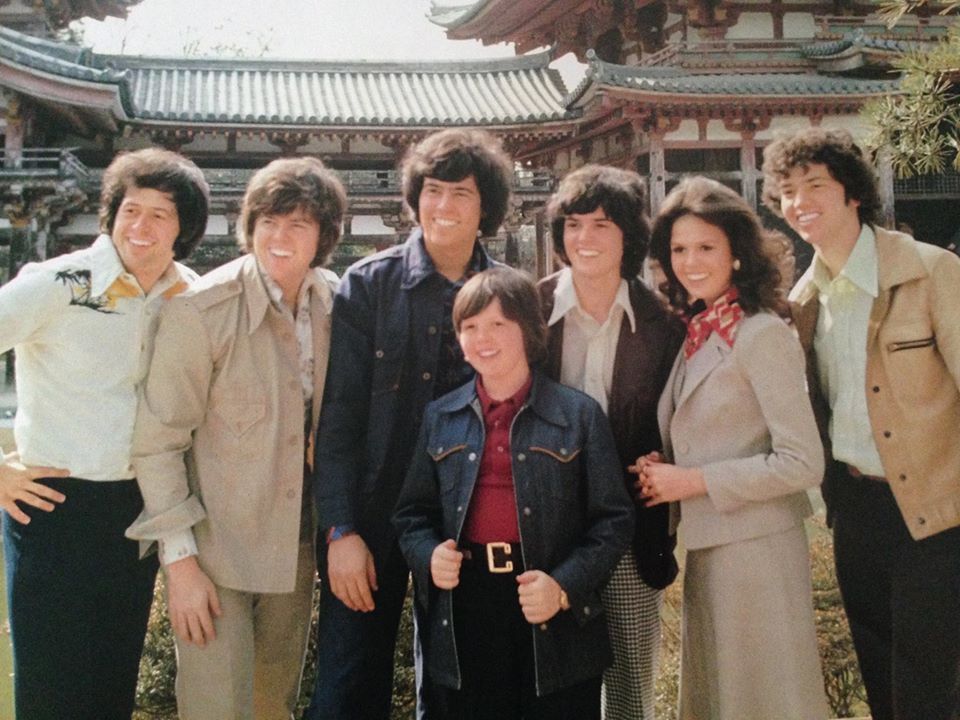
Now an important part of the Mormon faith is that at age eighteen the young men in the church go on “a mission” to spread the word of their God to the greater world beyond their community. But, as a result of The Osmonds’ fame and busy schedules, the traditional mission didn’t seem to be an option for The Brothers. Well, as Alan Osmond, who had turned 23 years old in 1972, contemplated his spiritual purpose, he began to question what he and his brothers had missed. However, he also rationalized that he and his brothers had been giving the opportunity to transcend traditional Mormon missionaries and gain a far larger reach to the masses via their roles as pop stars. After much soul searching, Alan decided to undertake what he’d ultimately deem to be the most important project of his life. Having proven himself as a decent song writer on The Osmonds’ previous two albums, Alan began to compose his own symphonic rock opera which would outline the Mormon Faith. But, instead of a heavy-handed testament filled with doctrine, Alan sought to defy traditional gospel sounds and to make it attractive to the Osmonds’ massive following by creating something modern, relatable and, most importantly marketable.
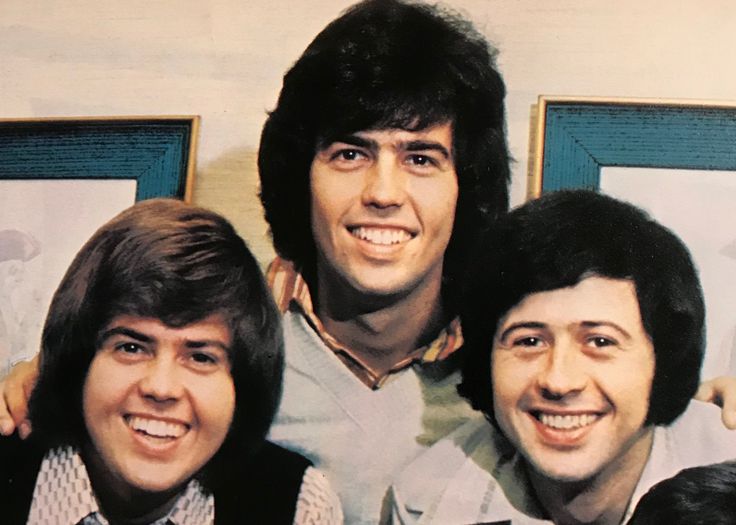
Beginning in 1972, Alan started to write his opus while the group was on tour. Often collaborating with brothers Wayne and Merrill, Alan took his main inspiration for “The Plan” from what The Beatles had done in “The White Album.” Alan sought to create songs which would cross between multiple different genres, allowing The Osmonds to flex their musical muscles and truly transcend beyond the pop market that made them famous. Between symphonic overtures, “The Plan” would contain spirituals, heavy rock, shock rock, nostalgic melodies, avante garde soundscapes and emotional ballads – pretty much everything except the bubble-gum hits that put them on top of the charts.
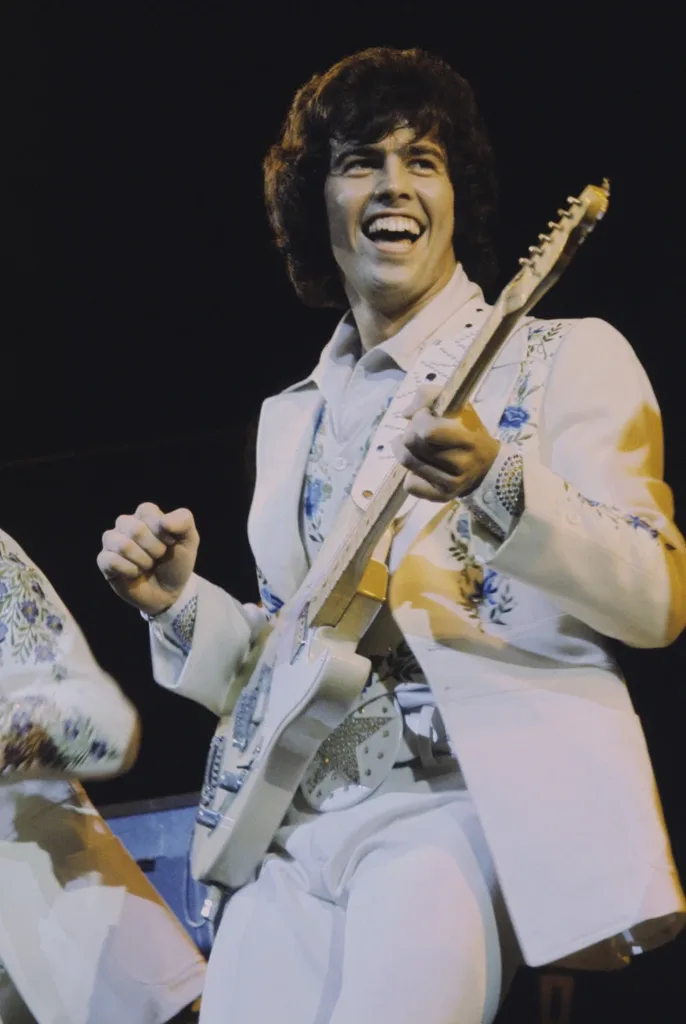
Filling a notebook filled with musings, lyrics and music, Alan believed that he was going far beyond anything he had done before, and that he was writing his music alongside God himself. In a 2024 interview with the LDS Living Podcast, Alan spoke about the divine guidance he believed he had during the writing of “The Plan”:
“I felt these words just come at me,” Alan stated, “I was writing them down as fast as I could. I’d look at the piano, I could see what chords they were in my mind (and) I’d write them down…even the melody…I wrote down the notes, and as soon as I finished that it never got changed.”
However, Alan also believed that there were other forces at play which wanted to get in his way to make sure that “The Plan” was never completed. On July 11th, 1972, during a stop in Memphis, the hotel that The Osmonds were staying at caught fire, destroying not only all of the group’s stage costumes but also Alan’s notebook! In the same 2024 interview, Alan revealed that he believed that the fire was caused by Satan to stop the production of “The Plan.” “There’s opposition in all things,” Alan stated, “and we know that Satan is there. He’s very real, and he was trying to stop us as well.”
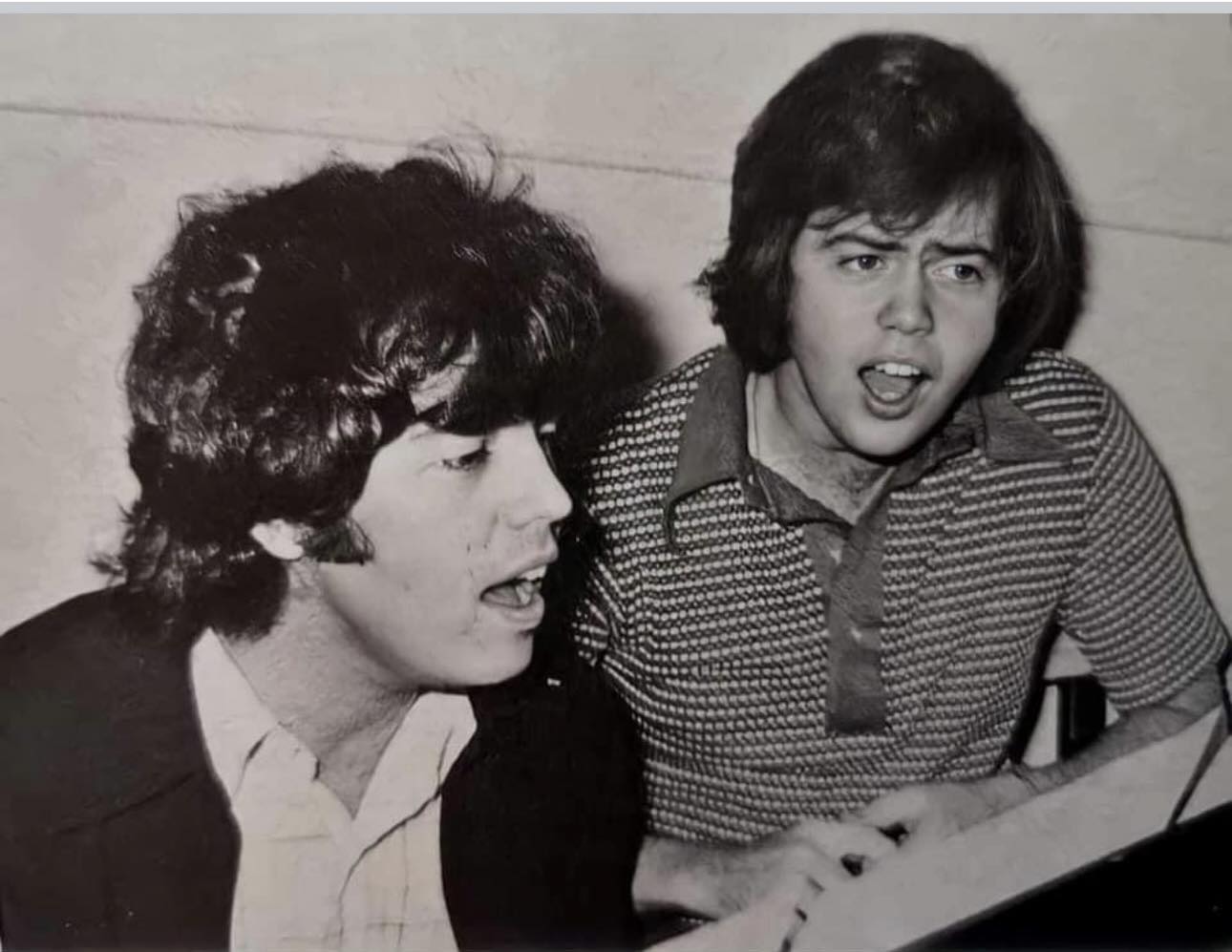
But despite the temporary setback, Alan managed to rewrite all of his songs by memory, and in July 1973 The Brothers entered MGM studios to record what would prove to be their most ambitious album. With Alan manning the controls as producer, The Osmonds were putting everything on the line by laying their religious beliefs up front and creating something unlike anything they had ever released before.
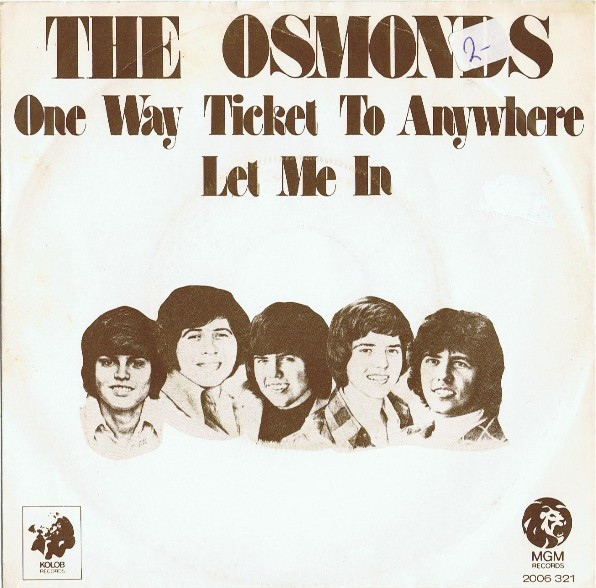
In regard to lead vocals, Alan wrote the majority of the songs on “The Plan” for Merrill to sing. As the primary lead singer for the group, Merrill was a dynamic pop vocalist with a dramatic rasp, who could hold his own against more prominent contemporaries such as Mick Jagger, Roger Daltery and Rod Stewart. Meanwhile, Wayne and Jay were also given their own solo numbers. Jay, who had become an accomplished rock drummer, sang lead on “One Way Ticket to Anywhere,” while Wayne gave “The Last Days” a dark gritty vibe with his deep baritone.
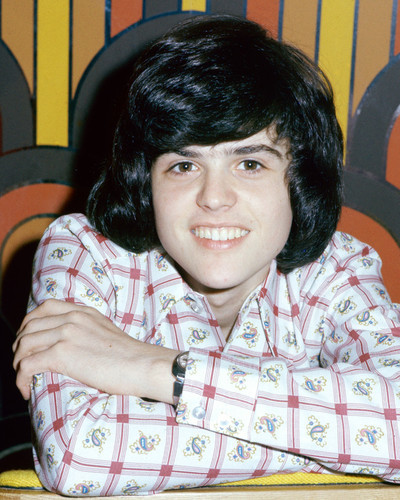
Surprisingly absent from lead vocals was Donny who, despite arguably being the most popular of The Osmonds, only participated as the albums’ keyboardist and could clearly be heard as an accompanying vocalist. But, with his own solo career going full steam ahead, which included four solo albums being released between 1972 and 1973, “The Plan” was an opportunity for the other brothers to take the spotlight.
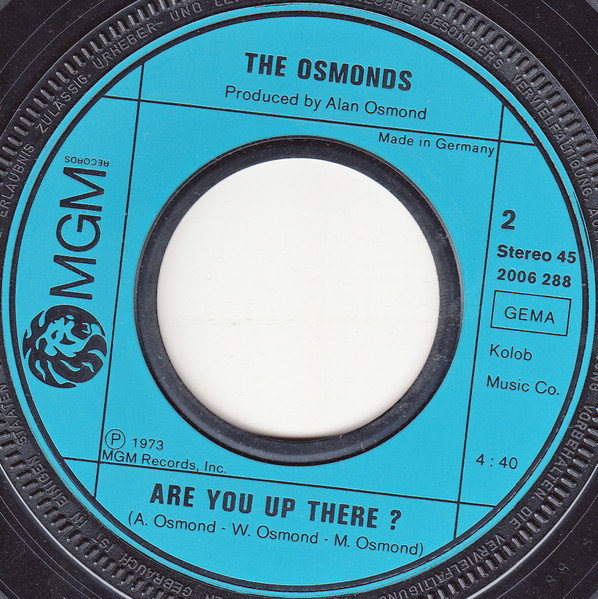
For himself, Alan saved possibly his most introspective song, “Are You Up There?” as a rare chance to sing lead vocals. Questioning the meaning of life, death and the afterlife, Alan gives so much conviction in his delivery of the song that the listener can hear just how deeply personal the lyrics are to him, and reveals the real life thoughts which he had been contemplating himself:
“It could all end tomorrow where would I be
Does life go on or will it be the end of me
Seems a bit unfair to think that all I’ve learned and done
Belongs to no one.
Why should I cherish living if there’s no so called plan
Why, I would have no future if it were left to man
I can’t believe that we just happened and don’t know what for
There must be more.
Why should I trust in a love that I can’t have forever
Does it seem right to live a game of take away
Should I want for children if there isn’t anymore for them to live for
Maybe I’m a pessimist, then maybe I’m not
One thing that I like to know is what I got
I don’t want a miracle or see you in the air.
But are you up there
Are you everywhere
Do you really care
Are you up there,
Are you up there,
Are you up there?”
Although asking deeply spiritual questions, “Are You Up There?” had the potential to speak to young people across faiths and beliefs, because the questions that Alan laid down were ones that most people search for in their lifetime whether looked at through a religious lense or not. But therein lay the beauty of “The Plan.” “The Plan” is filled with songs that can be interpreted by the audience in multiple ways, meeting the emotional and intellectual needs of the individual listener. The songs had deep philosophical messages with religious overtones, while doubling as pop ballads and spiritual rock anthems.
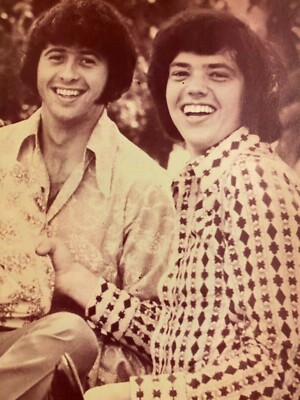
The best example of this is seen in “Let Me In,” which would become one of “The Plan’s” most successful tracks. Although the lyrics read like a young man’s plea for the woman he left to take him back, the double meaning of the song is, in fact, the story of the parodical son, who turned his back on God only to realize the importance of salvation, which becomes a prayer of redemption. A brilliant piece of song writing, “Let Me In” manage to hit on multiple levels:
“Lovin you could be so easy,
lovin you could make me warm.
Ever since the day I left you,
I try, but I just can’t get you
out of my mind.
Thought that I could do without you,
thought I had to look around.
But now that I know I need you,
and promise that Ill never leave you,
wont you please…
Let me in,
let me in your arms again.
Let me give my love to you once more.
Let me love you, let me love you.
Take me in,
take me in your arms to stay,
and Ill never go away again.
Cause I love you.”
But while “The Plan” sought to be relatable to all audiences, it didn’t shy away from the prophecy of the end of days, and in one of the bolder moments in the album The Osmonds enter the arena of “shock rock” to criticize the state of the world and prophesize the coming of the apocalypse. Reflecting on war, political corruption, environmental disasters and an overall lack of morality, “The Last Days” painted a bleak portrait of modern society in what comes off as a rock n’ roll infused fire and brimstone sermon that suggests that the end is near. Ironically, the state of society that Alan wrote about in 1972 is truer today than it was when he wrote “The Last Days”:
“Nations take up there battle stations
Patrons of zodiac revelations
Lustations breaking family relations
Litigation allowing shoot up sensations
That’s what they said, someday it would be
Now just look around if that’s what you see
It’s gotta be the last days
Gotta be the last days.
People living lives of confusion
Billions caught up in revolution
Cities lost in their own pollution
Question, what is the Constitution.
That’s what they said, someday it would be
Now just look around if that’s what we see
It’s gotta be the last days
Gotta be the last days”
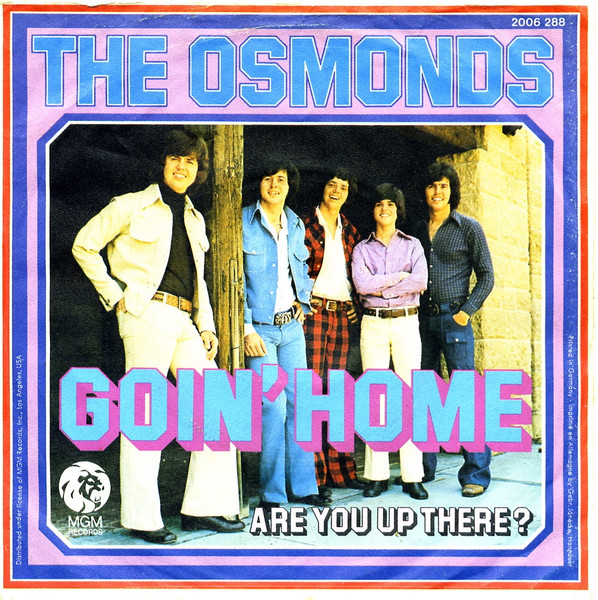
Now while the controversially subject of polygamy is not addressed within “The Plan,” The Osmonds don’t shy away from another of the Mormon’s more bizarre beliefs, and in final track, “Goin’ Home,” Alan briefly makes reference to Mormon cosmology, and the belief that in the afterlife devoted Mormons will be given their own planet by God to rule::
“I’m a space man, from a different land
I gotta get back home
I’ve been gone so long
That I’m feelin’ like a useless man.”
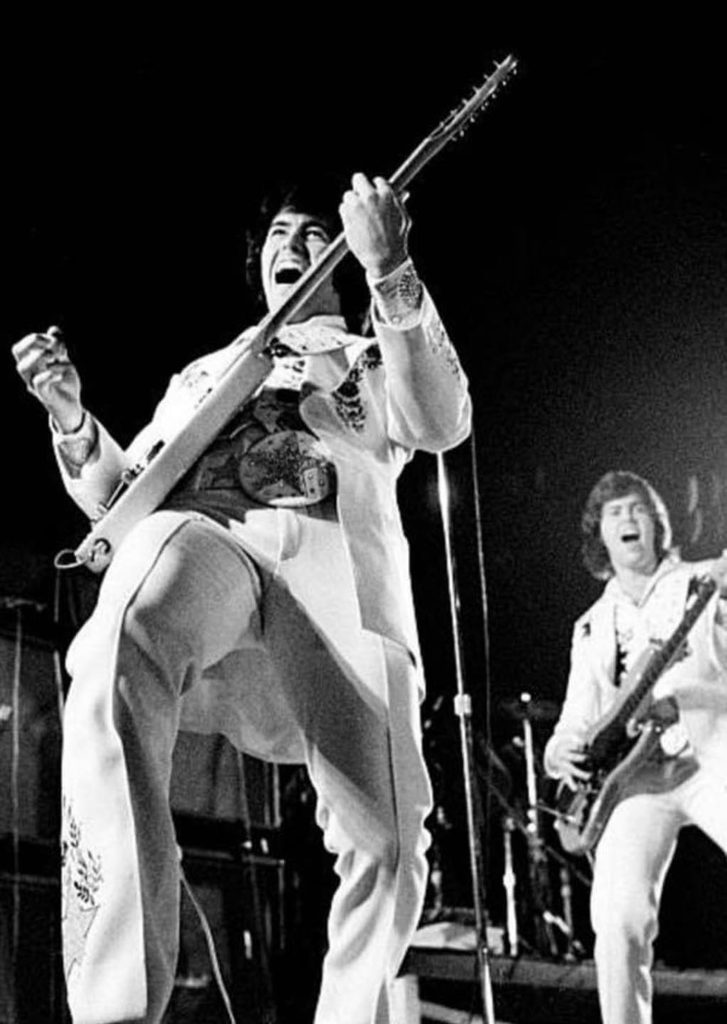
Beyond the multi-layered lyrics and carefully handled doctrine, possibly the best moments of “The Plan” is The Osmonds Brothers’ continuation of the heavy rock n’ roll sound that they had established a year earlier with “Crazy Horses.” While history seems to deny them their place in the halls of hard rock, The Osmonds were laying down some seriously heavy licks, and they continued on that trajectory in “The Plan’s” most pulsating track, “Traffic in My Mind.” With Wayne emulating Jimmy Page on lead guitar, “Traffic in My Mind” is a psychedelic (albeit acid-free) rock number that put “The Plan” solidly in the modern world:
“I got traffic in my mind, yeah
Don’t know which road to follow
I got traffic in my mind, yeah
I’m on the road flying solo.
I got questions looking at me
Answers trying to find me
Everybody telling me what they don’t know
I got traffic in my mind, yeah
Don’t know which road to follow.
I see blind men leading blind men
And telling us how to make it
I get better answers watching
Some little kid trying to fake it.
So tell me who am I? Why am I here?
Where in heaven’s name am I going?
I got traffic in my mind, yeah
Don’t know which road to follow.”
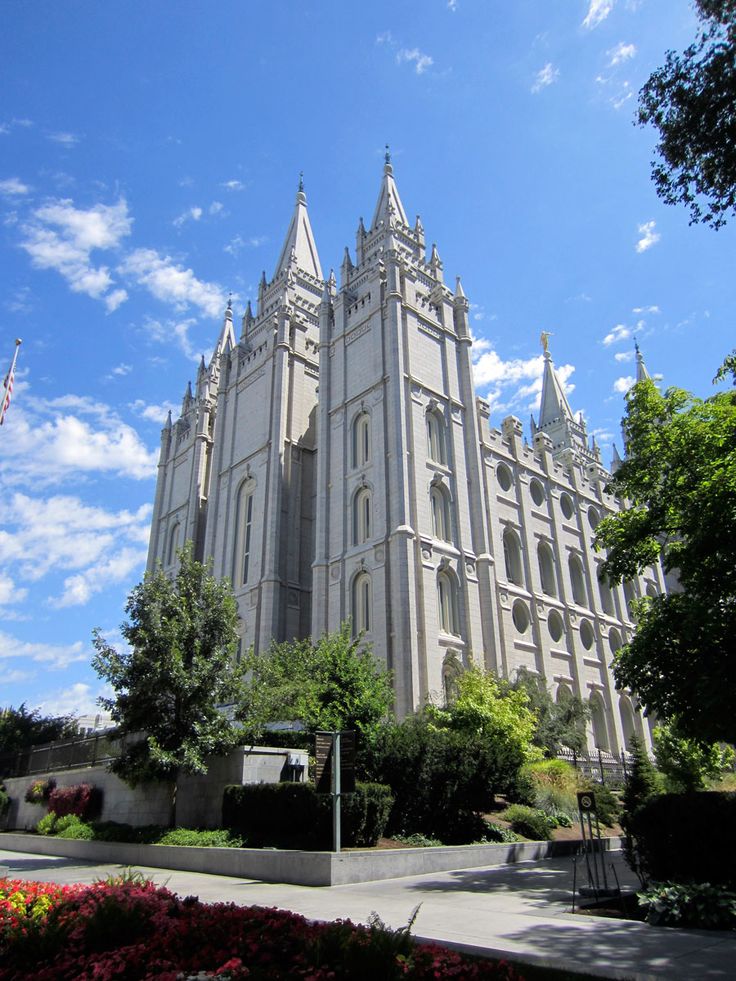
While “Traffic in My Mind” sets the listener up for philosophical musings and a potential spiritual awakening, it was the track that nearly kneecapped “The Plan” prior to it’s release. While The Osmonds went ahead and wrote and recorded the album, they did not do so with the permission of the Mormon leadership. Well, upon finishing the album, The Osmonds were brought to Mormon Headquarters in Salt Lake City to meet with President Harold B. Lee and the twelve apostles, which was the Mormon church’s governing body. Only weeks away from being released, The Osmonds played “The Plan” for the brethren, but upon hearing “Traffic in My Mind,” the church officials immediately raised their concerns on the heavy metal sound of the track. But according to Alan, future Mormon president Paul Dunn apparently rose to The Osmond Brothers’ aid and defended “Traffic in My Mind” by stating “”Now, Brethren, listen to the lyrics. The music is what the kids like but listen to the lyrics.”
Well, after getting past the initial shock of “Traffic in my Mind,” The Osmond Brothers got an official thumbs up from the Mormon Church and “The Plan” officially hit record shops on June 30, 1973, but it’s ultimate legacy and success is a matter of opinion and can be debated.
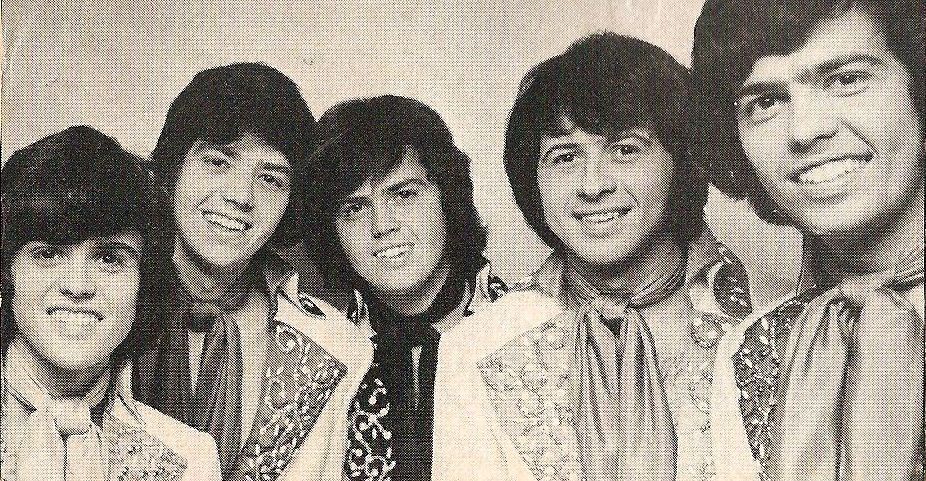
Although the album sold well amongst Osmond fans, the prog-rock direction of the album somewhat confused teen audiences and “The Plan” ended up being the first of The Osmonds’ studio releases not to crack the top 40 in Billboard’s sales charts. However, “The Plan” seemed to be far more successful in the UK, where Osmond fan fever was arguably much hotter than in America, and it went to the #6 on Billboard’s UK sales charts. The singles from the album also proved to be bigger hits in the UK, with “Let Me In” reaching #2 and “Goin’ Home” reaching the #4 spot, while both singles peetered out at #36 in the US.
Yet despite its excellent quality and careful craftsmanship, “The Plan” was completely ignored by music critics and serious record collectors due to the pre-conceived biases in regard to who The Osmonds were and what they were about. As a result, while “The Plan” was one of the most creative and well produced concept albums of the 70’s, it continues to be relatively ignored by collectors and critics still today.
But, back in Utah the Mormons, who were far more concerned about converts than Billboard chart statistics, would go on to call “The Plan” a massive success. In 1976 the First Presidency of the Mormon Church made a claim that The Osmonds had increased the number of converts to Mormonism by tens of thousands, especially amongst young people and primarily in England. If “The Plan” was Alan and his brother’s way of going on their required mission, as far as the breather was concerned, they had succeeded in God’s work!
In the Mormon faith, believers speak of the Celestial Kingdom, where those who accept and live by the Mormon gospel can dwell with God, as well as Jesus Christ, and live eternally. In “The Plan,” Alan wrote about returning to the Celestial Kingdom in “Goin’ Home,” in which he and his brother’s sang:
“Goin’ home, goin’ home, goin’ home
I gotta make it, gonna make it all right
Goin’ home, goin’ home, goin’ home
I gotta make it, gonna make it all right/”
Whatever the reality of the universe is, I believe that Alan Osmond lived a life based on his own spiritual convictions, and even in the face of fame, never took to worldly temptation or turned his back on his religious beliefs. Whether it is your truth or not, “The Plan” remains to be the well-crafted musical legacy which Alan Osmond left behind and deserves to be revisited and appreciated for its quality and its conviction.
Safe travels home Alan. Don’t take it too easy.

NOTE: This Vinyl Story is dedicated to the loving memory of Dale Fryer (1955 – 2026)